Oct 14, 2026
Indoor Dog Park: A Backup, Not Real Conditioning
When an indoor dog park helps active dogs stay moving in bad weather, what it costs in load and air quality, and how to supplement outdoor miles.

Sports-science thinking for working, sporting, and service dogs — load management, recovery science, and honest labels, not hype.
39 guides in this section.
When an indoor dog park helps active dogs stay moving in bad weather, what it costs in load and air quality, and how to supplement outdoor miles.
Salt in balanced dog food is essential, but seawater, salty snacks, and road salt can dehydrate and poison active dogs. How to plan hydration and recovery.
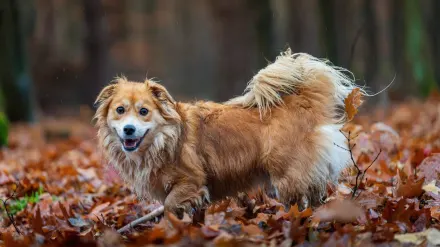
Can dogs go in the ocean? Yes with limits — manage surf load, salt intake, and heat for a safer swim.
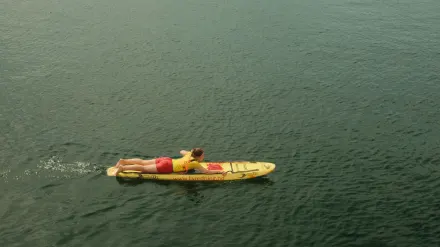
Boxers can learn to swim, but deep chests, muscle, and short muzzles raise risk. Learn safe entry, gear, and limits.

Learn how to introduce scent work games with low joint load, short sessions, and food rewards that support recovery.
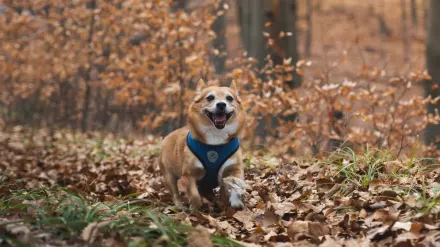
How to prepare your dog for agility with recall, body control, fuel, and recovery habits that protect joints from day one.

A sports-medicine pre-ride checklist for active dogs — joints, paws, heat, gear, and traffic skills before you roll.
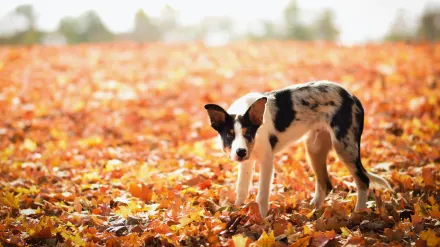
Beach load, heat, water and gut risks for active dogs, with sports-medicine safety checks before you go.
A sports-medicine checklist for paws, load, heat, and footing before you take an active dog onto rocky trails.
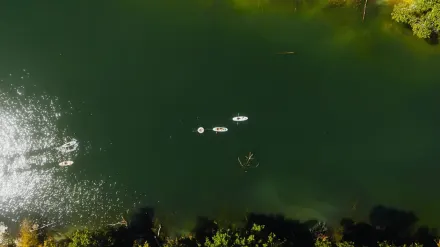
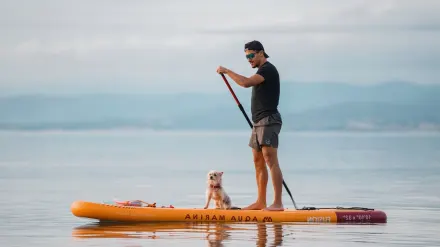
Sports-medicine safety checks for paddling with a dog — joints, PFD fit, water, heat and recovery.
A sports-medicine starter guide to low-impact dog sports that build focus, fitness, and recovery habits first.
Plan a dogs day out that balances mental work and physical load for a calmer, better-recovered dog.
A sports-medicine guide to agility, nose work, dock diving, and more — matched to drive, body type, and recovery.
Lure coursing channels chase drive into short sprints with clear rules, safer footing, and recovery built in.
A sports-medicine guide to the Portuguese Water Dog's working history, exercise needs, coat care, and health tradeoffs for active owners.
Hands-free running leashes with elastic give reduce peak load on you and your dog compared to fixed leads. Here's how to choose.
How to plan a secure-field run in the rain without overloading joints, skin, and gut — load, footing, and recovery from a vet nutritionist.
A sports-medicine guide to burning puppy energy safely — sniff work, training games, tug, and rest windows that protect growing joints.
A sports-medicine guide to puppy exercise mistakes — growth-plate load, fatigue signals, and recovery nutrition.
Scent games, touch cues, and steady routines that keep deaf or blind dogs active without overloading joints or digestion.
A sports-medicine guide to why dogs pace, pant, and wake in tents — and how den setup, daytime load, and gut comfort support overnight settling.
A sports-medicine guide to starting forest foraging walks with a dog — sniffing workload, toxic plants and mushrooms, joint load, and gut recovery.
A sports-medicine guide to starting paddleboarding with a dog — board setup, life jacket fit, water quality checks, and a four-session progression.
A sports-medicine approach to exercising a high-drive dog in an apartment — brain work, load management, and recovery nutrition for Border Collies, Shepherds, and other working breeds.
A sports-medicine vet's guide to kiddie pool games for dogs — setup, footing, heat pacing, and joint-friendly play ideas.
A sports-medicine guide to cooling an overheated dog on a climb, spotting heatstroke, and managing recovery after the hike.
A sports-medicine vet's field plan for deer, coyotes, snakes, and porcupines — recall, leash handling, wound checks, and when to get to a vet fast.
A rainy-weekend garden treasure hunt can give your dog real sniffing work without trashing joints or gut. Here's how to set load, surface, and recovery right.
A sports-medicine guide to why dogs fade on easy village walks — load, tissue tolerance, and recovery — and how to adjust the route.
A sports-medicine guide to bonding activities with a new dog — low-load walks, sniff work, hand-feeding, and recovery-aware routines for the first month.
A sports-medicine guide to paddleboarding with your dog — load, balance, water safety, and recovery.
A sports-medicine guide to hot sand and dog paws — how to test footing, time beach work, and support pad recovery.
A sports-medicine guide to running with your dog for beginners — screening, surfaces, progression, heat, fueling, and joint recovery.
A sports-medicine vet's pre-walk checklist for tick season — route, preventive status, coat check, and what to do after.
A sports-medicine vet explains what to do when your dog bolts after deer or squirrels — stop, recall, assess injury and exposure, and plan recovery.
A sports-medicine guide to starting bike rides with your dog — load, heat safety, gear, fueling, and what joint and gut support can realistically do.
A sports-medicine checklist for tent camping with a dog — sleep system, food and water, paw and tick protection, and gut recovery support.
A vet nutritionist and sports-medicine specialist explains what actually matters when scouting dog-friendly patios and breweries — surface heat, sitting duration, and hydration, not just the "dogs welcome" sign.
A veterinary nutritionist and sports-medicine specialist breaks down the real risks of kayaking and canoeing with a dog — fit, water quality, ear health, and how to plan recovery like an athlete's day, not a joyride.