On this page
Saturday trial parking lots fill fast, and new handlers often feel pressure to pick agility on day one. The steadier path is to earn focus and aerobic base first, then add speed and height only as tissue tolerance allows.
Loadline verdict: start with nose work, rally, and trail or paddle fitness for 8 to 12 weeks before you test dock, agility, or flyball.
Starter checklist for dog sports for beginners:
- Choose nose-first or heelwork-first sports if focus breaks under distraction
- Match impact to age, weight, and prior lameness — low jumping, short sprints, soft footing
- Train in 10- to 20-minute blocks with full recovery days between hard efforts
- Track load simply: minutes, surface, repetitions, and next-day soreness or lagging
- Feed for work: weigh meals, hydrate early, and keep gut routine boring on trial days
- Vet-check first if the dog is under 12 months, over 7 years, brachycephalic, or post-injury
Start where focus pays off fastest
Nose work and rally reward the exact skills pet dogs lack: sustained attention, impulse control, and working near other dogs without racing them. The American Kennel Club lists both as entry-friendly because rules allow on-leash work, flat collars, and generous time limits.
The National Association of Canine Scent Work built its levels around short searches with rest between hides, which keeps musculoskeletal load low while mental load runs high. In practice, vets often see beginners succeed here because the dog learns to settle between turns instead of vibrating at the gate.
Trevor in Topeka learned this with Alistair, his 8-year-old neutered male Brittany mix. Alistair broke on every thrown bumper and faded after 15 minutes of fetch, so Trevor swapped fetch for two 10-minute interior searches on Saturday mornings for six weeks. The observable change was a clean down-stay at the start line by week four, with no next-day stiffness to manage.
Rally works the same way for movement. Heel, sit, down, and figure-eight signs look simple, but they condition hind-end awareness and handler timing without repeated jumping.
Add fitness without adding impact
Once focus holds for 20 minutes, add locomotion sports that you can dose by distance.
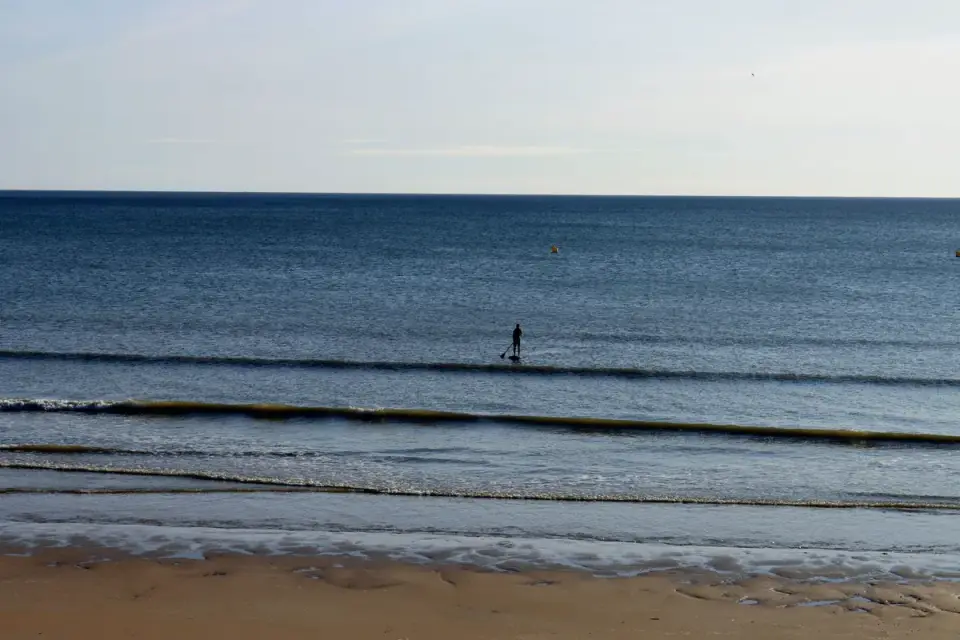
Trail hiking, canicross foundations, and paddle outings build aerobic capacity with fewer decelerations than agility. If you want a water read on balance, footing, and life-jacket fit, this look at kayaking with your dog covers load and recovery on unstable surfaces.
Keep early sessions conversational. Brisk walking with 1-minute trot intervals on dirt, 2-minute sniff breaks, and a hard stop before panting turns ropy is enough for most beginners.
This is restraint, not timidity.
A dog that can hike 2 miles on soft trail and recover by morning has more usable tissue tolerance than a dog that drilled 20 full-height jumps on Saturday and limped Sunday.
When to try speed and jumping sports
Agility, dock diving, fast CAT, and flyball are wonderful, but they concentrate eccentric load on shoulders, iliopsoas, and digits. The United States Dog Agility Association publishes jump-height and surface expectations that show why foundation matters: tight turns and contacts punish poor timing fast.
Wait until you have:
- Reliable recall and crate settle around barking dogs
- Four weeks of trot work with no lagging, skipping, or post-exercise soreness
- Clean body-weight skills: sit-to-stand, hand-target, low plank walk, short tunnel
Then sample one speed sport at intro height or distance, one run at a time. Film landings. Quit while the dog still wants another rep.
Food, gut, and joints: what support can realistically do
Food therapy does not replace conditioning, but it sets recovery windows. Weigh the daily ration, adjust to body condition score every two weeks, and keep protein adequate for repair rather than chasing novelty ingredients. A supplement may help support normal joint structure or gut consistency during travel, yet no powder builds focus or protects a fatigued tendon.
That distinction matters for active dogs sorting joint labels by dose and testing. This breakdown of joint supplements for dogs explains glucosamine, chondroitin, omega-3, and third-party verification without promising performance gains.
On trial days, keep the gut boring: same food, early water, small pre-run snack only if the dog trains well fed, and no patio-table extras. For ideas on low-key public outings that train settle without overloading the body, this guide to dog-friendly patios is a useful bridge between class and competition.
Vets often flag the same edge cases: puppies with open growth plates, seniors with occult osteoarthritis, and brachycephalic dogs in heat should get an exam and a modified entry plan before any timed event.
A 4-week beginner block you can repeat
Week 1-2: one nose work or rally class, two 20-minute sniffy walks, one rest-heavy handling session. Log minutes and surface.
Week 3-4: keep the class, add one 30-minute trail or paddle fitness outing, practice crate-to-line routines. If next-day energy dips, cut volume 30% before you cut frequency.
Ask your veterinarian or a canine rehab professional to clear jump heights, sprint volume, and swim duration for your dog. Load management is individual, not a template.
Frequently asked questions
What is the easiest dog sport for a total beginner?
Nose work or rally. Both allow on-leash work, short turns, and low impact while you build focus, timing, and crate routines.
What age can a dog start sports?
Foundation skills can start young with play and handling, but repetitive jumping, hard sprinting, and long endurance work should wait for skeletal maturity and veterinary clearance.
How often should beginners train?
Two to three short sessions per week with full easy days between hard efforts. Track minutes, surface, and next-day energy to guide progression.
Sources
- Getting Started in Dog Sports — American Kennel Club
- Home — National Association of Canine Scent Work
- Home — United States Dog Agility Association