Oct 15, 2026
Greater Swiss or Bernese Mountain Dog: Which Moves Better?
Greater Swiss vs Bernese Mountain Dog for active owners — size, joint load, exercise needs, and longevity compared through sports-medicine lens.
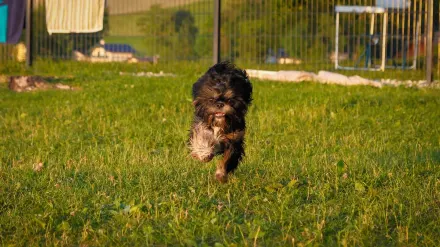
Sports-science thinking for working, sporting, and service dogs — load management, recovery science, and honest labels, not hype.
18 guides in this section.
Greater Swiss vs Bernese Mountain Dog for active owners — size, joint load, exercise needs, and longevity compared through sports-medicine lens.
A sports-medicine cool-down routine for dogs after hard runs, covering walk-down, hydration, and recovery checks.
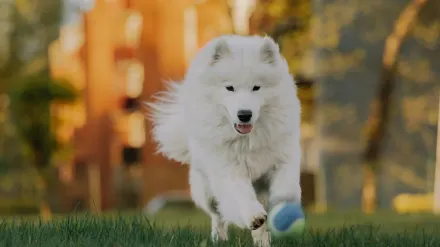
A sports-medicine rest-day guide for active dogs covering load, tissue recovery, fueling, and joint support.
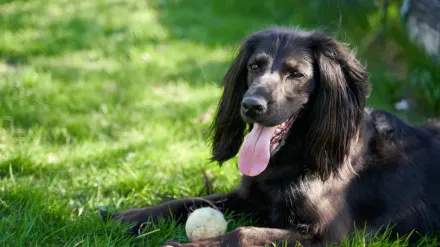
A sports-medicine warm-up routine for active dogs before off-leash sprints, with load-smart progressions and recovery cues.
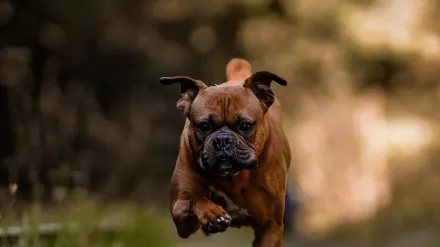
A sports-medicine approach to adding hill intervals safely to an active dog's week, with load, surface, and recovery rules.
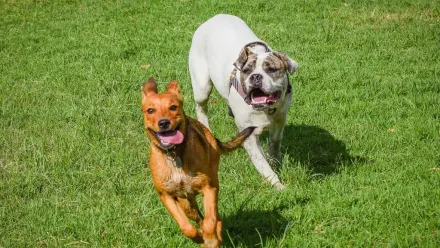
A sports-medicine approach to hiking prep for dogs — progressive load, tissue tolerance, fueling, and recovery windows.
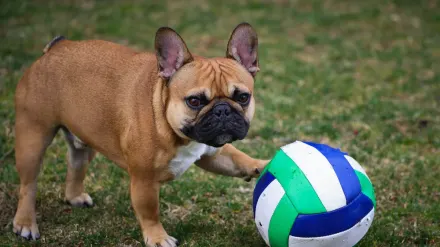
A sports-medicine starting framework for rescue dogs with unknown history — initial loads, 24- to 48-hour recovery checks, and when to hold back.
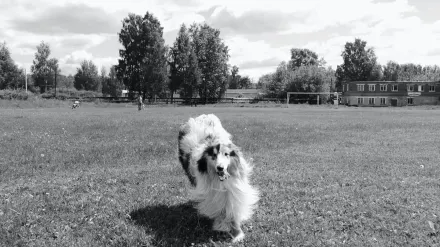
A sports-medicine guide to short walks, swimming, and recovery windows for senior dogs that fatigue fast, plus what joint nutrition can realistically add.

When can your dog exercise after surgery? A veterinary sports-medicine guide to tissue tolerance, leash-walk progressions, and what joint nutrition can realistically support.
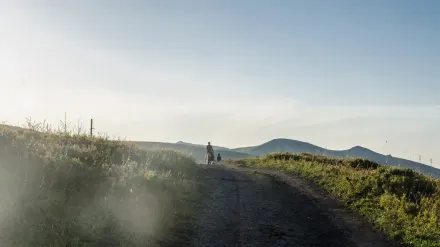
A sports-medicine guide to why some dogs stay wired for hours after exercise and how to reset load, recovery, and rest.
A sports-medicine guide to why a dog stops on walks — pain, fear, heat, and feet — and how to check load, recovery, and nutrition.
How to exercise a dog indoors in a small flat without overloading joints — load-smart games, recovery windows, and joint-nutrition evidence.
A sports-medicine plan for keeping dogs moving indoors during wet weather without overloading joints.
How to exercise a very anxious dog without overloading joints — sniff walks, decompression routes, and recovery windows explained by a sports-medicine veterinarian.
Prolonged panting after exercise can signal heat load, poor recovery, or airway limits. Learn how to cool, assess, and decide when to call your vet.
Learn the early and emergency signs of overheating during walks and play, plus the first-five-minute cooling steps veterinarians recommend.
A sports-medicine look at when a dog treadmill earns its place next to outdoor walking, and what each one actually does for load, recovery, and joint tissue.
Small dogs need real conditioning, not just a lap around the yard. A veterinary nutritionist's load-smart exercise ideas for toy and small breeds — knees, airway, and recovery included.