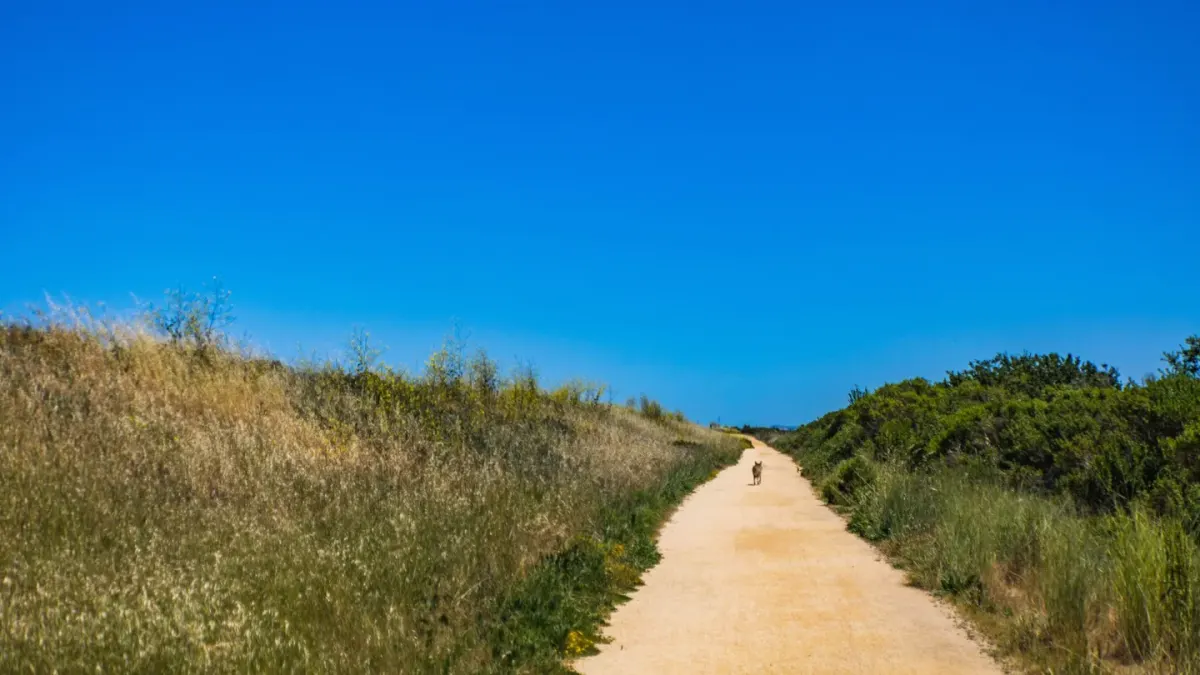
You’re out for what used to be an easy loop and your 11-year-old, 68-pound Labrador mix starts lagging at the corner, tongue long, hind steps short. Three weeks in of this pattern, you’ve cut the route in half and she still sits down unprompted by minute 15, then sleeps hard for two hours after. You’re wondering if you should push a little to keep muscle on, or stop earlier to spare her joints, and whether anything you feed can change that fast fade.
My answer is load first, supplement second. For the older dog that tires quickly, I prioritize shorter, more frequent bouts on forgiving footing with a real recovery window, and I weigh joint nutrition as a background support for diet and recovery — not as fuel for more minutes. The strongest counterargument is that rest alone protects cartilage, so why not just do less. I still land on measured movement because disuse shrinks tissue tolerance faster than careful loading does, and you can watch it happen in the hind-end muscle.
Fatigue is data.
The tired senior is a load problem, not a motivation problem
Think like a performance staff: every walk is load, every nap is a recovery window, and aging lowers tissue tolerance. An older dog doesn’t dissipate heat as well or bounce back from repetitive pounding, so distance becomes the wrong metric. I track effort instead — breathing rate, stride length behind, willingness to start again after a three-minute shade break.
That 11-year-old taught her owner the tell. On pavement she faded by 0.4 miles, but on grass with two sit-and-sniff pauses she covered the same time with a looser tail and no post-walk stiffness. If you want one rule for hot months, read Signs Your Dog Is Overheating During Exercise before you add minutes, because panting that won’t settle is your stop sign, not a cue to loop home the long way.
Short bouts, soft ground, planned rest: the week that works
You don’t need a new sport. You need a repeatable week your dog can recover from by morning.
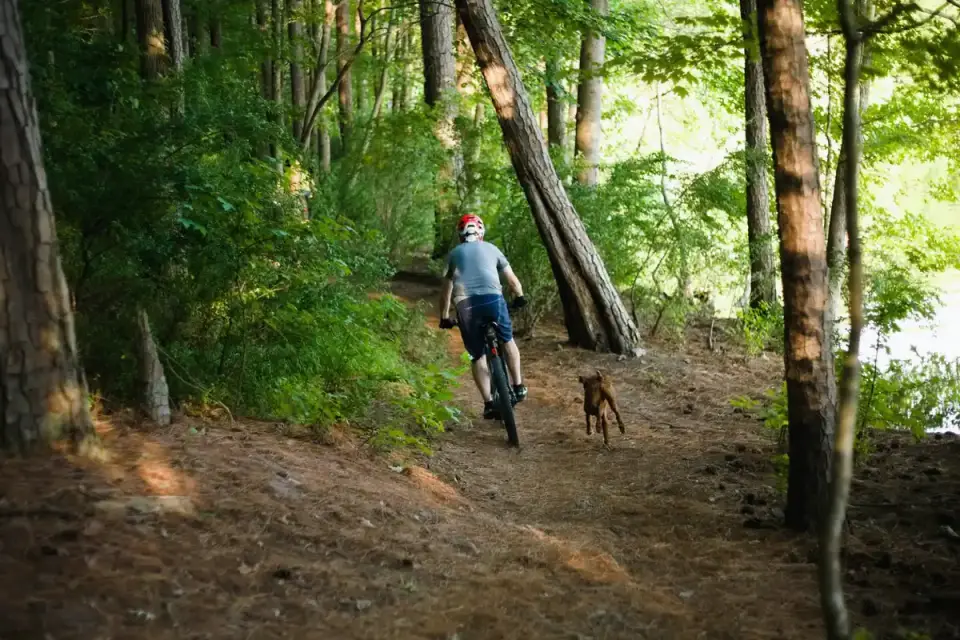
I like two 8- to 12-minute leash walks on most days, on grass, packed trail, or rubber track rather than concrete, with one longer sniff outing and one full easy day. Keep pace conversational — you should be able to talk — and end while your dog could still do a little more. For dogs that fade fast, three 8-minute loops beat one 25-minute march because each bout stays inside the recovery window.
Swimming and underwater treadmill can help if access is easy and entry is ramped, but they’re still load. A 9-year-old, 42-pound spaniel I followed as a composite case loved the lake yet came out wiped for two days after his first 15-minute fetch session; when we swapped to four minutes of calm wading plus a shoreline walk, by day 10 his evening get-up-and-greet came back. That failed more-is-better attempt is common — buoyancy unloads joints in the water, then fatigue and slippery exits bill you later. If you’re weighing options, Dog Treadmill vs Outdoor Walking: What Actually Builds Fitness and Protects Joints lays out where steady footing helps and where outdoor variability wins.
Warm up two minutes at a amble, keep grades gentle, and give firm footing a miss on slick floors. You’ll know the dose was right if breathing settles within 10 minutes home and the next morning’s first five steps look like last night’s last five.
What joint nutrition can realistically add to recovery
Here’s where I ground an integrative claim in the nutritional evidence. Food and consistent daily intake do the heavy lifting for an older dog — adequate protein, healthy weight, and a complete senior ration you’ll actually feed. A joint supplement may help support the tissues you’re trying to keep supple, but it doesn’t raise the ceiling on minutes.
What the literature actually says is narrow, and I keep it narrow. Chondroitin “supports healthy synovial fluid homeostasis” in work published in Frontiers in Veterinary Science, which matters because synovial fluid is part of how joints stay lubricated during easy movement. Glucosamine HCl was reported to “prevent experimentally induced cartilage degradation in vitro” in work published in the Journal of Veterinary Medical Science — lab-model language, not proof your dog can walk farther. Green-lipped mussel work found that “BMO, GMO, and KO all alleviated paw swelling in rats and reduced serum levels of rheumatoid factor (RF), anti-cyclic citrullinated peptide (anti-CCP) antibody, and pro-inflammatory cytokines such as TNF-α and IL-17” in Nutrients, a rat model you shouldn’t stretch into a canine exercise claim.
So I don’t sell these as performance extenders. If your vet is comfortable and the label gives a clear daily serving, they can sit alongside your load plan while you judge recovery — morning stiffness, evening play solicitation, next-day willingness. And if chewing has gotten careful too, Softening Food for an Older Dog: A Load-Management Approach to a Tired Mouth is a useful parallel read on keeping intake up when the mouth tires like the legs do.
The edge case that changes my math is the 13-year-old, 18-pound terrier mix who looked exercise-intolerant for a month — lagging by minute 7, then restless at night — until bloodwork and a dental exam reframed the whole plan. Four weeks after addressing mouth pain and anemia, the same two-block loop took 18 minutes with tail up. When fatigue shifts suddenly, or cough, limping, or heavy panting leads the picture, pause the program and get an exam before you tweak footing or food.
Frequently asked questions
How long should a walk be for an older dog that tires quickly?
Start with 8 to 12 minutes on soft ground, end before heavy panting or shortened hind steps, and add a second short bout later only if recovery by morning is clean.
Is swimming better than walking for a senior dog?
It can unload joints during the session, but entry, exit, water temperature, and total effort still count as load — keep first swims to a few calm minutes and watch next-day stiffness.
Sources
- Synovial Homeostasis Study — Frontiers in Veterinary Science
- Cartilage Degradation In Vitro Study — Journal of Veterinary Medical Science
- Mussel Oil Inflammation Rat Model — Nutrients