On this page
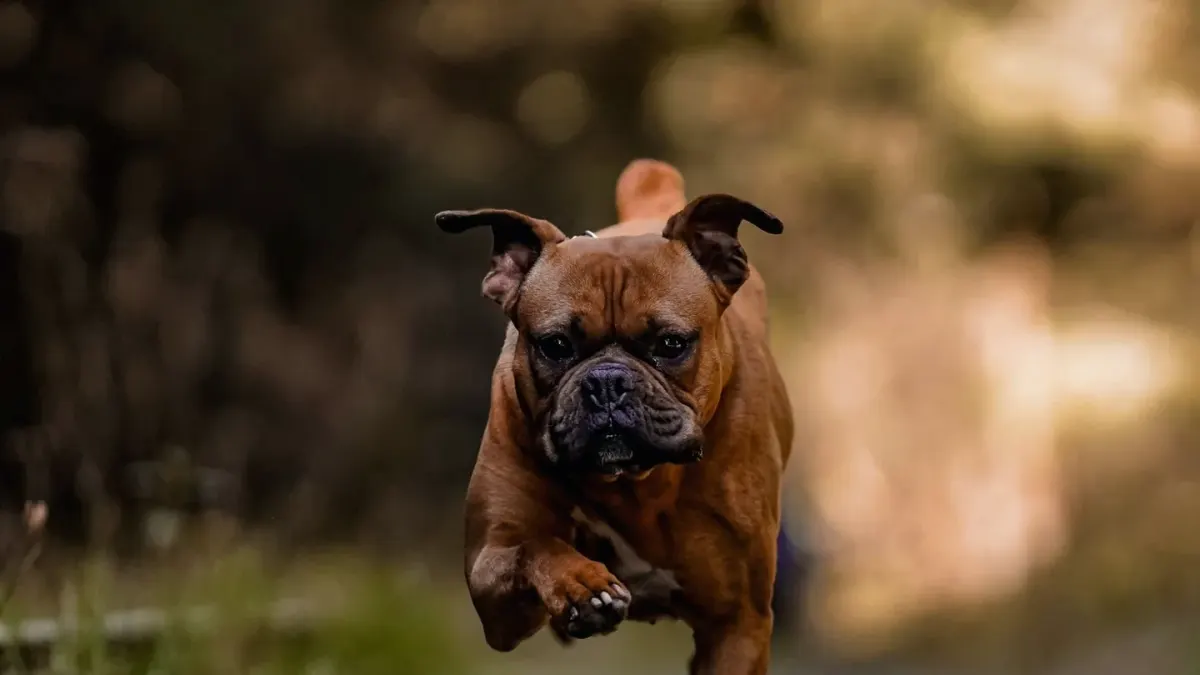
A cold dog exploding into a full sprint is where hamstrings, shoulders, and toes meet more load than they can tolerate, so active dogs need a deliberate on-ramp before freedom.
That on-ramp is ten minutes of walking, controlled movement, and attention work that raises tissue temperature, rehearses deceleration, and tells you whether today is a run day or a sniff-and-stroll day. For owners of working, sporting, agility, hunting, service, and otherwise highly active dogs, that check matters more than any supplement.
Why cold tissue fails during the first sprint
Muscle, tendon, and joint capsule behave differently at rest than at working temperature. Blood flow is lower, synovial fluid is more viscous, and neuromuscular timing is slower, which narrows tissue tolerance for the eccentric braking and sharp turns that define off-leash play.
The National Academies Press review of energy metabolism in dogs grounds this in nutritional evidence: working muscle depends on steady fuel delivery and oxidative capacity, not a sudden surge. A progressive warm-up increases that delivery, while standing around the gate and then sprinting does the opposite.
Think in load terms. Total load is volume times intensity times awkwardness. Off-leash play maximizes intensity and awkwardness, so the warm-up must keep volume low and control high.
The 10-minute sequence to use before unclipping
Keep the leash on for all of this. Work on grass or dirt, away from the main play cluster.
Start with five minutes of brisk walking, not sniffing. Let the dog move in straight lines, change direction every 30 to 45 seconds, and settle into a rhythmic trot for the last minute. You are looking for even stride length, relaxed head carriage, and willingness to move forward.
Then move through three rehearsal blocks, about 90 seconds each. First, leash circles and figure-eights at a walk, 10 to 15 feet in diameter, to load the shoulders and hips through rotation without speed. Second, three to four short recalls past you, 20 to 30 feet, at a trot with a food or toy reward for checking in, which rehearses acceleration and stopping. Third, two to three controlled sits to stands, plus a brief nose-to-hip stretch for a cookie on each side, to activate hind-limb extensors and trunk control.
Release only when movement looks symmetrical and attention is available.
One sentence decides it: if the dog cannot trot evenly or cannot disengage, stay on leash.
What food and joint support can realistically do
A warm-up does the mechanical work; nutrition sets tissue quality over weeks. Weigh what a supplement can realistically do for diet, mobility, and recovery: glucosamine and chondroitin are among the most studied joint support ingredients for dogs, and they may help support cartilage metabolism as part of a complete and balanced diet, but they do not replace conditioning or warm tissue.
That is the integrative picture in practice. Adequate protein, omega-3 fatty acids, and a healthy body condition support the tendons and articular cartilage you are about to load, while the warm-up itself determines how that load is shared. The VCA Hospitals exercise guidance makes the same load-management point for owners: build activity gradually and watch for fatigue, stiffness, or lameness rather than pushing through.
When to shorten, skip, or walk instead
Vets often see off-leash injuries after layoffs, not during peak season. If your dog rested for two weeks, is carrying extra weight, finished a hard training day yesterday, or is moving stiffly today, cut the plan in half. A 9-year-old neutered male Pembroke Welsh Corgi in Lincoln, Nebraska, for example, may need six minutes of walking and one recall block before a 200-yard field session tells you enough.
Heat, ice, deep sand, and steep hills also shrink the recovery window. Puppies with open growth plates, seniors with known osteoarthritis, and brachycephalic or toy breeds need lower intensity and longer rest between bursts, a theme explored in Exercise Ideas for Toy and Small Breeds: A Load-Smart Guide and Dog Treadmill vs Outdoor Walking: What Actually Builds Fitness and Protects Joints.
Stop the session for non-weight-bearing lameness, repeated head bobbing at a trot, panting that does not resolve within five minutes of rest, or disinterest in cues the dog normally knows. Those signs call for leashing up, walking out, and checking in with your veterinarian or canine sports-medicine specialist about load and pain, not for stretching the limb in the field.
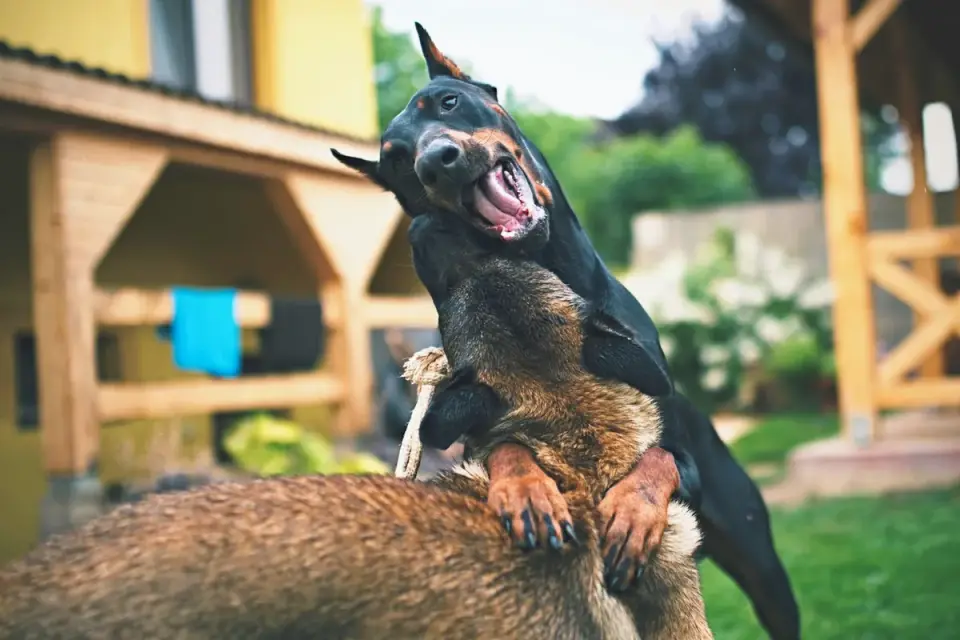
Reading social signals before release also prevents collision load, as reviewed in Play Bow or Aggression? Reading Dog-to-Dog Signals.
A consistent warm-up will not make a dog bulletproof, but it makes load visible before speed hides it.
Frequently asked questions
How long should a dog warm up before off-leash play?
About 10 minutes total: five minutes of brisk leashed walking plus four to five minutes of turns, short recalls, and sit-to-stands. Shorten it if the dog is fatigued, stiff, or returning from a layoff.
Should I stretch my dog before running?
Skip prolonged static stretching on cold muscle. Use active, controlled movement — walking, wide turns, and short trots — then save gentle range-of-motion work for the cool-down walk.
What tells me to skip off-leash play that day?
Uneven trot, reluctance to move forward, hard panting at rest, known soreness from yesterday, or inability to check in with you. Leash-walk instead and consult your veterinarian about pain or load.
Sources
- Nutrient Requirements of Dogs and Cats — National Academies Press