On this page
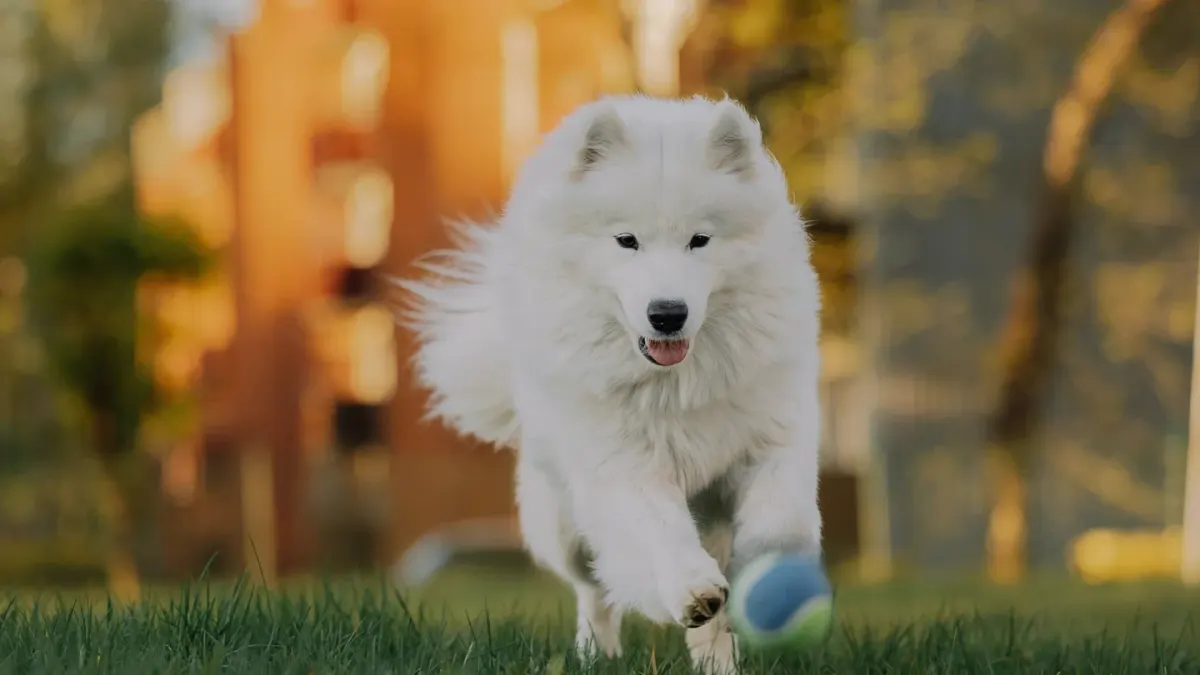
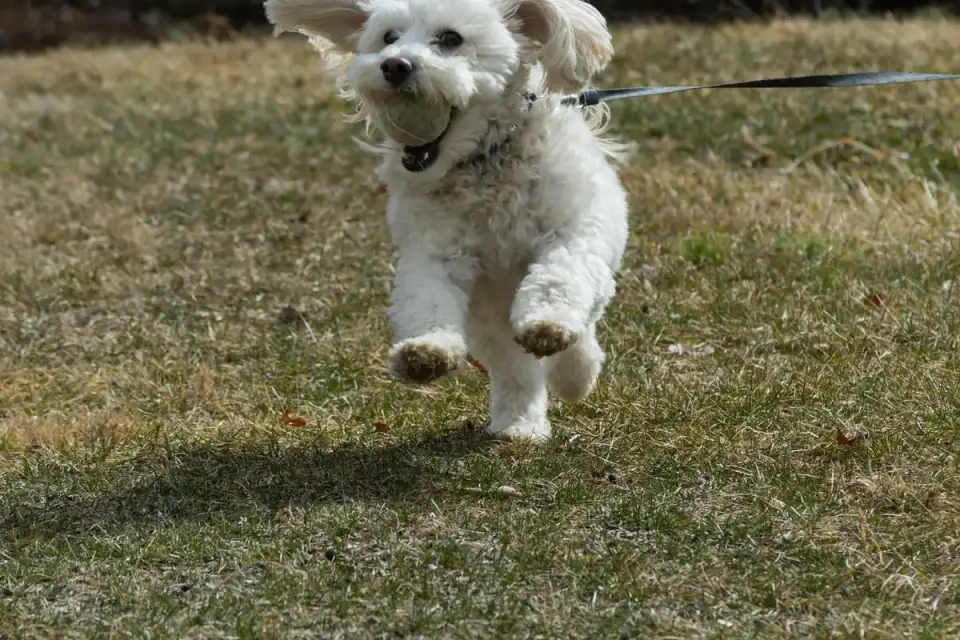
The leash goes slack at the end of a hard run and your dog is still breathing like a freight train, tongue wide, sides heaving, feet dancing because stopping cold feels wrong.
That feeling is correct. For a running dog, the five to fifteen minutes after you stop drive how fast core temperature falls, how evenly blood redistributes from working muscle, and how stiff those joints feel tomorrow. I favor a structured walk-down plus water, shade, and a deliberate once-over over hopping in the car and hoping panting resolves on its own.
Teresa in Washington, District of Columbia, learned this with Toro, her 10-year-old neutered male Boston Terrier mix. He could still pull for a three-mile jog along the river, then pant hard for 40 minutes in the apartment unless she added a slow half-mile walk, shade, and small water breaks. In practice, vets often see that pattern in short-muzzled and older athletes: fitness looks fine during work, recovery lags afterward.
Ease off speed before you stop
Think of the end of the run as a ramp, not a wall. Drop from run to brisk walk to easy sniff walk over about ten minutes for most healthy adult runners, longer when it is hot or the run was unusually hard.
Keep the leash loose and let the dog choose a slower cadence. Sniffing, shaking off, and a softening stride tell you circulation is shifting out of high-output mode. If panting sharpens again or the dog lags behind, you ended the hard portion too abruptly.
This is also where load management lives. Tendons and cartilage tolerate steady work better than a sprint-stop-sprint pattern at the trailhead, which is one reason steady walk-downs beat a final all-out throw of the ball. For context on how surface and pace change joint load, compare Dog Treadmill vs Outdoor Walking: What Actually Builds Fitness and Protects Joints and Exercise Ideas for Toy and Small Breeds: A Load-Smart Guide.
Cool the dog, then offer water in sips
Heat is the limiter. Dogs shed most heat through panting and some through paw pads and belly skin, so airflow and shade matter more than ice.
Move to shade, offer room-temperature water in small amounts every few minutes, and let panting do its work. Lukewarm water on the belly, groin, and paws plus a breeze may help support normal cooling, while ice baths and very cold water can constrict surface vessels and cause shivering. The American Kennel Club notes gradual cooling and prompt veterinary care when heatstroke is suspected, and the American Veterinary Medical Association describes a similar cool-first approach with careful temperature monitoring.
Watch the gums and attitude as you cool. Brick-red or pale gums, vomiting, stumbling, glazed eyes, or panting that stays harsh after ten minutes of rest and cooling deserve same-day veterinary attention.
Small dogs overheat fast.
Walk, check feet, and let the gut settle
Once breathing slows, use the last few minutes for a hands-on check. Run fingers over paw pads for hot spots or torn edges, look between toes for burrs, feel legs for new swelling or a head-bob at the trot, and note any lameness that was masked by adrenaline.
Hold food for 30 to 60 minutes. A hard run shunts blood toward muscle and away from the gut, and a big meal right away can mean vomiting or loose stool in sensitive dogs. The same recovery-window thinking applies after diet changes, as discussed in Dog Stomach Upset After Switching to Raw Food: What’s Happening and How to Help.
From a nutrition standpoint, recovery feeding is food-first: water, then the normal balanced meal once the dog is calm and cool. Joint ingredients like glucosamine and chondroitin are among the most studied joint support ingredients for dogs, yet they may help support mobility over weeks as part of conditioning and weight management, not as a post-run fix. Green-lipped mussel contains omega-3s and glycosaminoglycans studied for joint support, with the same long-view caveat.
What I would prioritize, and what I would skip
If you remember one sequence, make it walk, shade, sips, check. Ten minutes of easy walking beats ten minutes of standing around, and small frequent water breaks beat one big bowl gulp.
I skip forced stretching, wading in ice water, and adding extra miles to tire a wired dog further. A sceptical friend might ask whether all this fuss matters if the dog looks happy. My answer is plain: happy covers fatigue poorly, and the dogs that recover best are usually the ones whose owners protected the comedown as carefully as the run.
Sources
- Heatstroke in Dogs — American Kennel Club
- Warm Weather Pet Safety — American Veterinary Medical Association