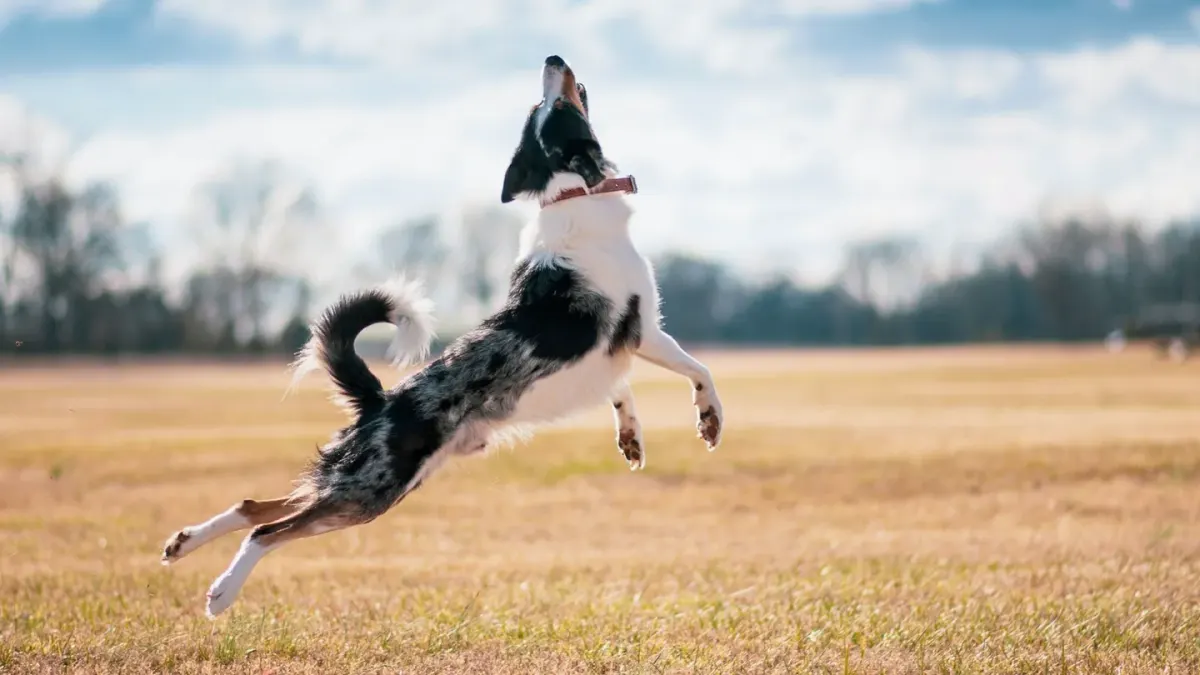
Rain holds the leash shorter than you want, and a dog that normally gets forty minutes of sniff-and-trot suddenly gets hallway pacing and couch springs. Do the opposite of making it up in one burst. Spread low load across the day in five- to ten-minute blocks, with footing, posture, and rest doing the protective work.
Tuesday of a washout week tells the story I see every spring. A seven-year-old, 68-pound Labrador cross who lives for fetch is on day three without a real walk, whining at the door and doing tight spins on laminate. The owner wants to tire him out with an hour of stair throws in the garage. We map something quieter instead: two short leash walks in rain breaks, three indoor footwork sessions on a rug runner, and a chew-and-settle block after dinner. By day five the pacing drops, the morning stiffness after lying down eases, and the owner stops measuring success by panting.
Keep the engine warm without pounding the joints
Think load, not miles. Tendons and cartilage tolerate frequent, easy contractions; they complain about sudden impact, slip, and twist.
Set the week like this. Aim for two to four micro-sessions daily. Warm up two minutes at a loose-leash walk inside, then work, then settle. Keep surfaces high-traction. Stop while the dog still wants more.
Do this order in a living room or garage:
Walk the figure-eight. Lay two water bowls eight feet apart on a rug. Lure slow figure-eights for three minutes. Head stays low, weight shifts side to side.
Practice controlled sits and stands. Ask for three sit-to-stands, pause, repeat. Keep elbows tucked, rear feet planted.
Add a curb-height step. Use a stable aerobic step or bottom stair with a rug. Step up, pause square, step down. Six reps per side.
Search, don’t chase. Scatter half the dinner in a towel or snuffle mat. Nose work burns energy with almost zero joint load.
Rest is programming. Give at least two hours between sessions.
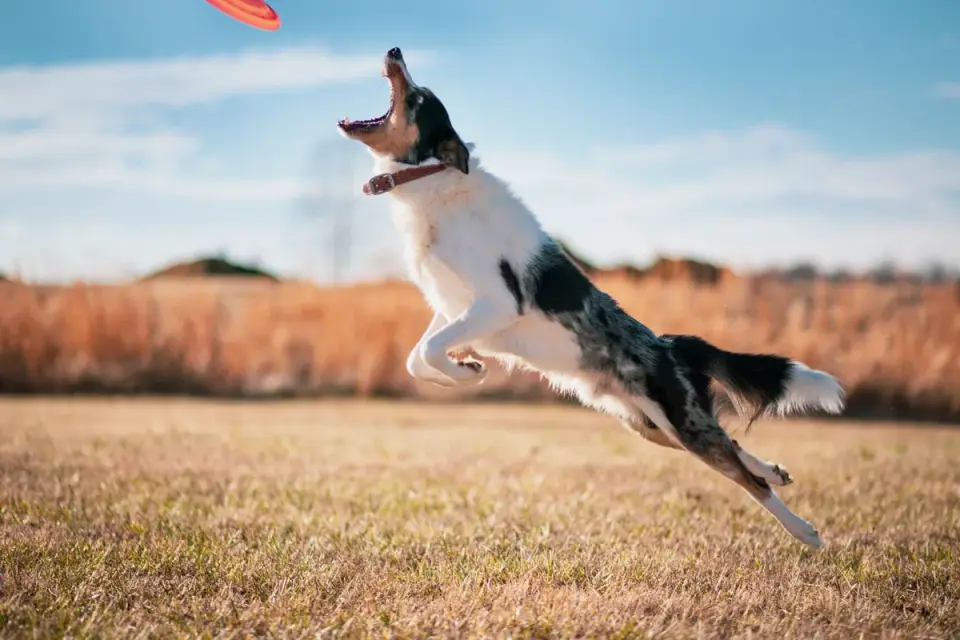
That garage-fetch trap is where good intentions backfire. A four-year-old, 42-pound border collie mix got one rainy Saturday of repeated ball throws on wet concrete after four idle days. The owner meant to be kind. The dog came up short-strided on the right front by evening, reluctant to load the shoulder after lying down, and needed three weeks of leash-only movement before the stride looked even again. The failed approach was not effort; it was dose and surface. One maximal session after unloading does more harm than five easy days combined.
Feed the tissues you are trying to keep supple
Food does not replace movement, but nutritional evidence sets realistic expectations for joint support during a deload week.
Frontiers in Veterinary Science reported work described as it “supports healthy synovial fluid homeostasis,” which matters because synovial fluid is the joint’s lubricant and nutrient bath during low-range motion. Slow walking and weight-shifting circulate that fluid; nutrition may help support the environment it moves in.
Mechanics still lead. Work reviewed in the Journal of Veterinary Medical Science found that glucosamine HCl could “prevent experimentally induced cartilage degradation in vitro,” a laboratory finding, not proof of pain relief on a rainy week. I cite it to ground an integrative claim in the nutritional evidence: these ingredients may help support normal cartilage metabolism alongside sensible loading, not rescue an overtrained joint.
Green-lipped mussel sits in the same bounded space. Research summarized in Nutrients noted that “BMO, GMO, and KO all alleviated paw swelling in rats and reduced serum levels of rheumatoid factor (RF), anti-cyclic citrullinated peptide (anti-CCP) antibody, and pro-inflammatory cytokines such as TNF-α and IL-17.” That is rodent and mechanistic data. It does not translate directly to your dog’s living-room routine.
My position stays narrow. Prioritize traction, volume control, and recovery windows first; view joint nutrition as background support for diet and mobility, not a license to add stairs or jumps.
Watch the floor.
Know when easy is too much
The edge case owners miss is the small senior who looks fine until the Wochenende walk. A 12-year-old, 14-pound toy poodle sailed through indoor puzzles for six days, then tried to make up for lost time with a 45-minute wet-trail walk on day seven. Halfway home she started sitting unasked, licking the left stifle, and lagging on the return. The owner carried her the last block. The lesson changed the plan: for stiff seniors, keep the longest bout the same length all week, add a rug rest station every few minutes, and treat rain breaks as sniff walks, not mileage catch-up.
Use this check during any session. If you see mouth closing tight, weight shifting off a limb, repeated sitting, or panting that does not settle in five minutes, end the set.
Link the week together with related load-smart reading on Exercise Ideas for Toy and Small Breeds: A Load-Smart Guide and Dog Treadmill vs Outdoor Walking: What Actually Builds Fitness and Protects Joints, plus a heat-safety refresher in Signs Your Dog Is Overheating During Exercise for the day the sun returns and everyone overdoes it.
The counterargument is fair: some high-drive dogs seem calmer only after hard exertion. I still land on control. Exhaustion masks load debt for a day, then collects in stiffness and irritability. A week of frequent, boring, well-fueled movement leaves the athlete underneath ready when dry ground returns.
Plan tomorrow’s first five-minute block tonight. Lay the rug, set the bowls, portion the snuffle kibble.
Frequently asked questions
How much indoor exercise does a dog need on a rainy week?
Most healthy adult dogs do well with 20-30 minutes total of low-impact movement split into 2-4 short sessions, adjusted to age, size, and fitness with your veterinarian.
Are stairs okay for tiring a dog out indoors?
Repeated stair throws and slippery sprinting concentrate impact and twisting load. Prefer slow step-ups on a stable, carpeted surface with pauses, and stop before fatigue changes form.
Should I skip walks entirely in heavy rain?
Use short rain-break leash walks for sniffing and bathroom habits when safe, then move the main movement load indoors on high-traction footing.
Sources
- Synovial fluid homeostasis study — Frontiers in Veterinary Science
- Glucosamine and cartilage degradation in vitro — Journal of Veterinary Medical Science
- BMO, GMO, and KO and inflammatory markers in rats — Nutrients