On this page
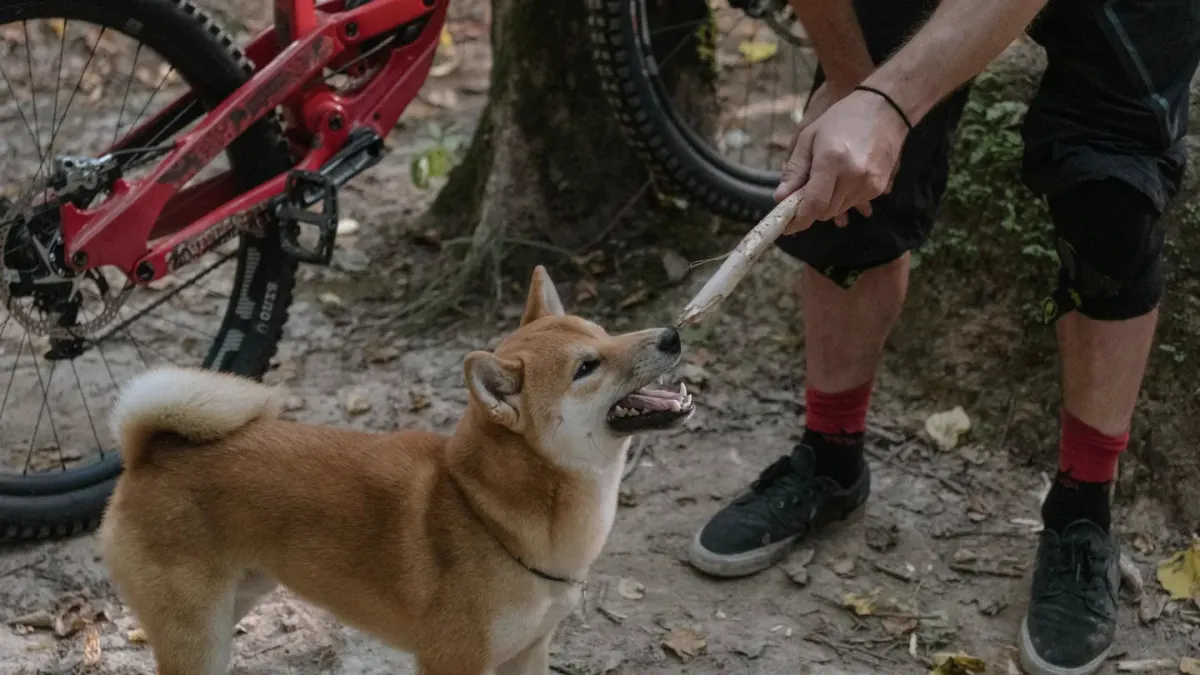
She was a five-year-old, 62-pound mixed-breed built for weekend trail rides, and that Saturday she had done the same loop she always did — 40 minutes alongside the bike, water breaks included. The difference was afterward. At home she kept panting, tongue wide and curled, while the owner put the gear away, showered, and made lunch. By the 45-minute mark she was still going, restless on the kitchen tile, and the owner started wondering whether this was fitness or something else entirely.
That question is the right one. Normal post-exercise panting is a cooling and recovery response, and it should taper as heart rate, respiratory rate, and core temperature fall. When panting stretches far beyond your dog’s usual window — often past 30 to 60 minutes despite rest and water — treat it as a signal to intervene with cooling and observation, not to wait out.
Move the dog to shade or air conditioning, offer small sips of cool water, and wet the paw pads, belly, and inner ears with cool — not ice-cold — water while you watch breathing effort, gum color, and mentation.
What prolonged recovery panting is telling you
Panting moves air across moist tongue and airway surfaces to dump heat, and after work it also blows off carbon dioxide from exertion. In a conditioned dog on a cool day, that system resets quickly. When it does not, total heat load has likely exceeded tissue tolerance for that day.
Heat, humidity, sun exposure, extra body condition, a thick or dark coat, brachycephalic airway anatomy, age, and deconditioning after time off all shrink that tolerance window. Pain or anxiety can keep respiratory rate high even after temperature starts to fall, which is why I watch the whole dog — posture, willingness to lie down, facial tension — not just the tongue.
This is also where recovery nutrition deserves clear boundaries. Glucosamine and chondroitin are among the most studied joint support ingredients for dogs, but they do not cool a dog or shorten a panting episode. Work from Frontiers in Veterinary Science describes chondroitin as an ingredient that supports healthy synovial fluid homeostasis, which matters for load management across weeks of training, not for emergency thermoregulation. Keep those timelines separate.
Cool first, measure second
Stop exercise, get out of the sun, and start passive cooling right away. The escalation guidance in VCA Hospitals emphasizes moving overheated dogs to a cool area, offering water, and using cool water on the body while seeking veterinary care for severe signs — and that same sequence fits prolonged panting even before you know it is heatstroke.
I like a simple loop: cool for five minutes, then reassess. Is the panting rhythm slowing? Is the dog choosing to lie sternally or on a cool floor? Are gums pink and moist rather than brick-red, pale, or tacky? Can the dog respond to name and take a treat? If the answers trend toward yes, keep cooling and resting.
Avoid ice baths, ice water immersion, or heavy blankets and closed crates that trap heat. Do not force large volumes of water if the dog is gagging, vomiting, wobbly, or mentally dull — aspirating water helps nothing. And do not ask for another fetch round to test whether the panting is real.
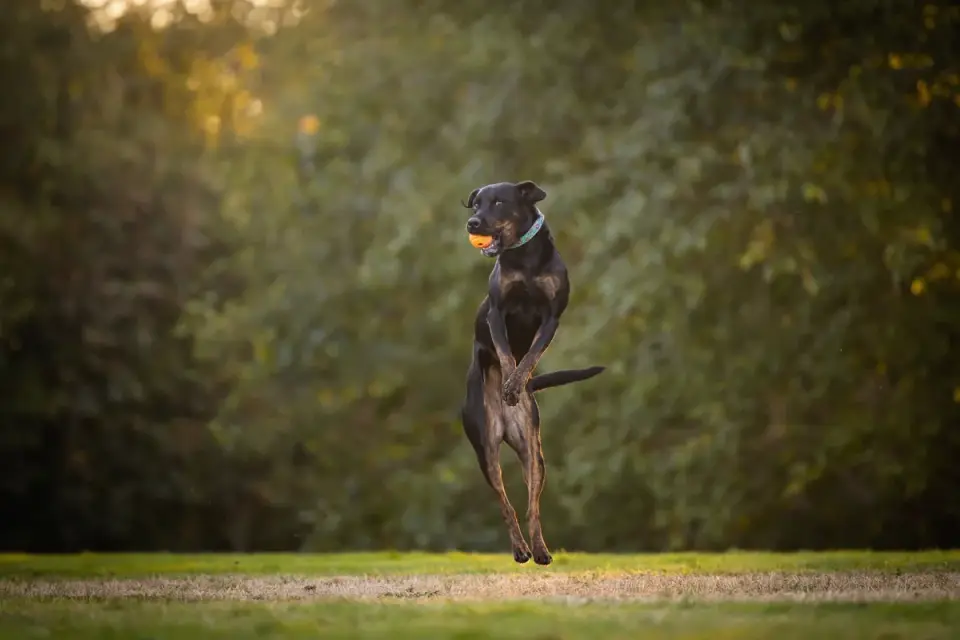
He was a nine-year-old, 88-pound Labrador who had taken three weeks off after a sore forelimb, then rejoined his owner for a familiar evening ball session in the park. The owner expected rust, not distress, but ten minutes of fetch left him panting hard for more than an hour, shifting weight and refusing to settle on either side. The failed approach was familiar: cut the session short but then feed dinner, crate for the night, and hope sleep would reset him. By morning he was stiff getting up, still breathing faster at rest, and the owner realized rest alone had masked how much load tolerance he had lost during those three weeks in.
When lingering panting becomes urgent
Prolonged panting with any of these signs needs same-day veterinary evaluation, and several need emergency care: collapse or inability to stand, glazed or unresponsive mentation, vomiting or diarrhea, thick or ropy saliva, brick-red or pale gums, or panting that intensifies despite 10 to 15 minutes of active cooling.
Brachycephalic breeds, puppies, seniors, and dogs with laryngeal, cardiac, or respiratory disease have narrower margins. For them I set a lower threshold to call. The client education from Cornell University College of Veterinary Medicine makes the same point about risk factors and rapid progression — heat injury can evolve even after the walk ends.
It helps to bring numbers: ambient temperature and humidity, duration and intensity of exercise, time since stopping, what cooling you tried, water intake, vomiting or stool changes, and any medications. A short video of breathing at rest helps your veterinarian distinguish effortful abdominal pushing from rapid but easy panting.
She was a three-year-old, 34-pound Border Collie mix who always panted longer on field-trip days, and by day 10 of a hot spell her owner noticed a pattern — panting lasted 20 minutes after morning runs but nearly 90 minutes after late-afternoon agility practice on turf. The edge case was not fitness but surface and timing: radiant heat from turf plus cumulative poor sleep in a warm apartment had left her starting each session already warm. Shifting practice to mornings, adding shade breaks, and tracking resting respiratory rate at home changed the recovery curve more than any supplement tweak, and the owner finally had a baseline to show the veterinarian.
Rebuilding tolerance without overshooting
Once the episode resolves and your veterinarian has cleared the dog, think in recovery windows rather than single workouts.
For context on that overlap between heat and gut recovery, see Signs Your Dog Is Overheating During Exercise and Exercise Ideas for Toy and Small Breeds: A Load-Smart Guide. Dogs that run hot often benefit from shorter bouts with full cool-downs, and fitness built through low-impact options like those compared in Dog Treadmill vs Outdoor Walking: What Actually Builds Fitness and Protects Joints can preserve conditioning while you and your veterinarian sort out limits.
My conviction is this: supplements may help support joint tissue across a season, grounded in ingredients like glucosamine, chondroitin, and Green-Lipped Mussel that contain omega-3 fatty acids and glycosaminoglycans studied for joint support — but they cannot substitute for load management, cooling strategy, and a medical workup when recovery panting changes. The strongest counterargument is that a dog with early joint discomfort pants longer because movement hurts, not because cooling failed, and joint nutrition might reduce that background load. I still land on evaluation first, because pain-driven panting and heat-driven panting look alike at the kitchen-table level and only history, exam, and sometimes imaging separate them.
Track resting respiratory rate asleep, usual time to settle after a standard walk, water intake, stool quality, and any cough, exercise intolerance, or nighttime restlessness. Bring that log — it turns vague worry into something your veterinarian can act on.
Frequently asked questions
How long should panting last after normal exercise?
Most healthy dogs settle within 10 to 30 minutes with rest, water, and shade. If panting lasts far longer than your dog's usual pattern despite cooling, treat it as abnormal and monitor closely.
Should I give water or ice to a heavily panting dog?
Offer small, frequent sips of cool water and cool the body with shade and cool water on belly and paws. Avoid forcing large drinks or using ice baths, especially if the dog is vomiting, wobbly, or mentally dull.
When should I call the vet for panting after exercise?
Call the same day for panting that worsens despite cooling, lasts over an hour, or comes with vomiting, diarrhea, pale or brick-red gums, collapse, or altered mentation. Brachycephalic, senior, and cardiac or respiratory-compromised dogs warrant an earlier call.
Sources
- Chondroitin and synovial homeostasis — Frontiers in Veterinary Science
- Heat Stroke in Dogs — VCA Hospitals