On this page
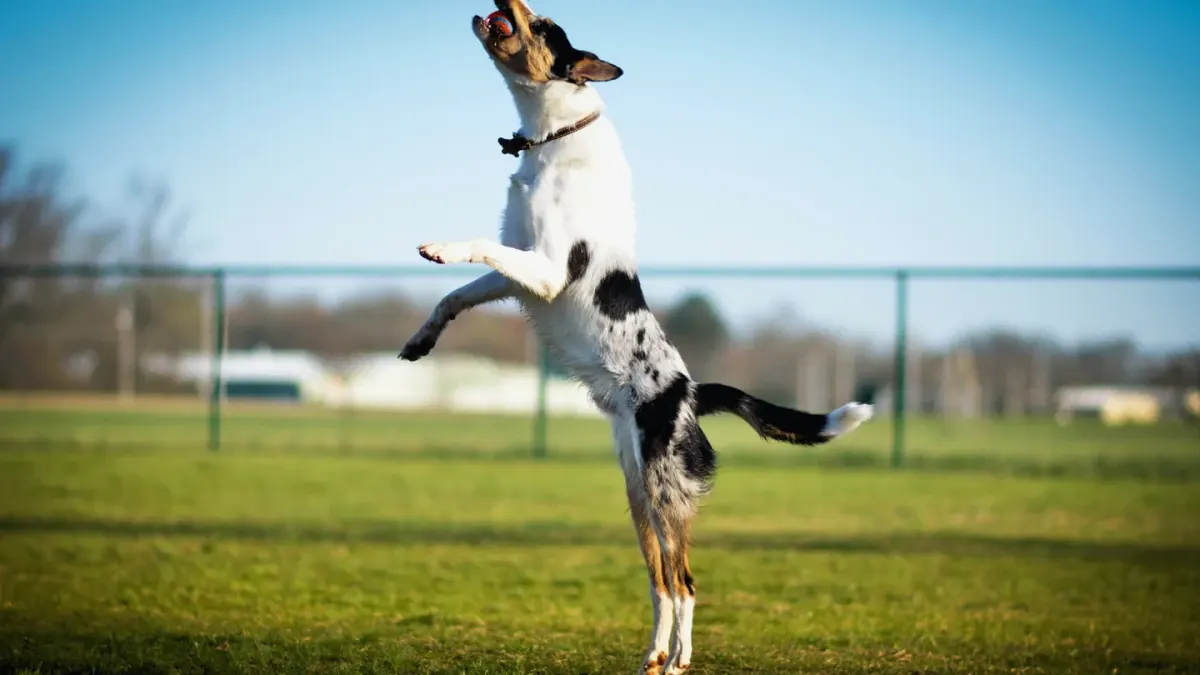
A 4-year-old, 22-pound French Bulldog living on the third floor started skipping the last flight of stairs after two rainy weeks of hallway fetch, and his owner wondered whether less space meant less fitness or just a different kind of load. That question is the whole puzzle of flat living: you do not need a yard to maintain tissue tolerance, but you do need to replace long, low-load walks with short, deliberate bouts that respect joints, airway, and flooring. I weigh every indoor plan the same way I weigh food therapy and supplement science, by what it can realistically do for diet, mobility, and recovery, and my position is clear: structured low-impact skill work beats repetitive sprint-and-stop games in a small space.
The verdict I give for most small-flat dogs is to build the week around nose work, controlled strength circuits, and brief play intervals with full recovery windows, using joint-support nutrition only as background support. Cartilage has no blood supply and depends on cyclic compression and release to move synovial fluid, which is why steady movement nourishes joints while constant jumping and hard braking irritates them. That physiology is why I prioritize traction, turn radius, and rest between efforts over total minutes logged.
Why small space changes joint load, not just step count
In a 500-square-foot flat, the limiter is rarely motivation. It is shear.
Hardwood, tight U-turns around a coffee table, and leaping on and off a sofa concentrate force through shoulders, carpus, patellas, and lumbar discs. Repetitive fetch down a 20-foot hallway looks like cardio, but for the dog it is acceleration, hard deceleration, and rotation with almost no warm-up. Brachycephalic breeds, Dachshunds, French Bulldogs, and seniors with early osteoarthritis lose tolerance for that pattern first.
This is where I see owners misread eagerness. A dog that keeps chasing is not proving the load is safe; predatory play overrides fatigue signals.
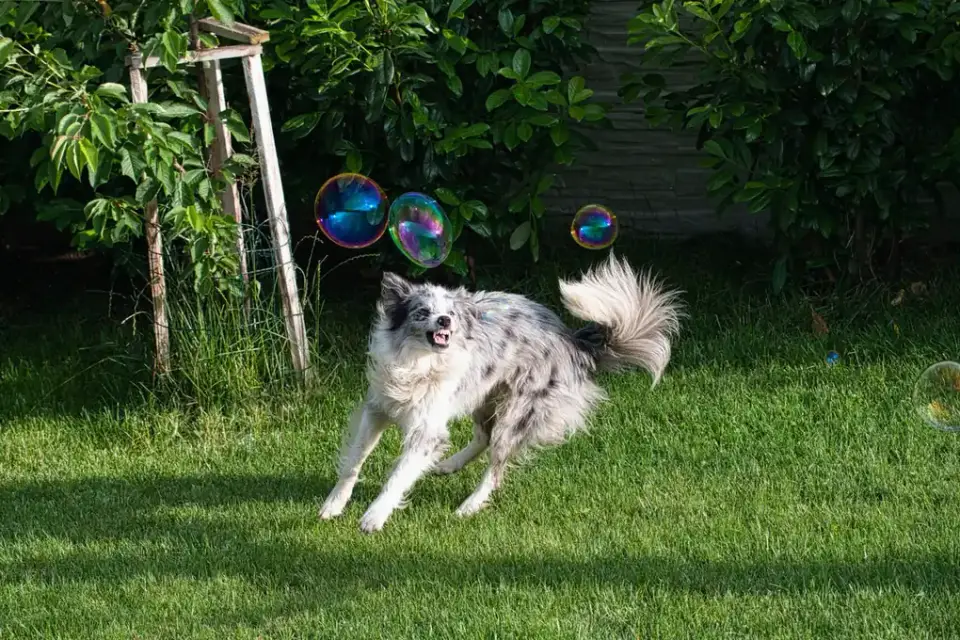
That same 22-pound French Bulldog is a useful anchor for the decision. His owner replaced 30 minutes of nightly hallway fetch with three 5-minute blocks: scatter-fed kibble searches in a bedroom, sit-to-stand and cookie-stretch reps on a yoga mat, then two low cavaletti poles made from broom handles. By day 10, the stair hesitation eased and evening panting shortened, not because fitness magically improved, but because peak joint load dropped while total enrichment rose. If you live with limited square footage, learn more in Exercise Ideas for Toy and Small Breeds: A Load-Smart Guide and keep hallway sprints as seasoning, not the meal.
What actually maintains fitness indoors
Think in tissues, not toys. Muscle maintains with tension through a full range of motion. Cartilage maintains with moderate, rhythmic loading. The cardiovascular system maintains with slightly elevated heart rate that still allows nasal breathing and quick recovery.
A practical flat template is two to three micro-sessions per day, 5 to 10 minutes each:
Nose and brain load first. Box searches, snuffle mats, and hide-the-treat in different rooms burn energy with almost zero joint impact and improve recovery between physical bouts.
Strength second. On a non-slip rug, try 5 to 8 sit-to-stands, three 10-second stand-stays with weight shifting, and slow figure-eights around two chairs. Keep jumps below carpus height or skip them entirely.
Play last and brief. Tug with rules, short recalls from bedroom to living room, or a flirt pole dragged in circles rather than whipped side to side. Stop while the dog still wants more.
Watch heat closely inside, too. Small flats trap warm air, and panting that stays heavy five minutes after stopping means the interval was too long. For the warning signs I teach owners to track, see Signs Your Dog Is Overheating During Exercise.
Our second story is the tradeoff that complicates this neat plan. A 6-year-old, 48-pound mixed-breed dog in a studio took beautifully to indoor wrestling and stair reps for three weeks in, and her owner proudly doubled the sets because she finally slept through the night. Then came the morning stiffness, paw-licking, and reluctance to jump onto the bed that had vanished months earlier. More fatigue is not more fitness. We cut stair work entirely, halved tug duration, added two sniff walks for aerobic base, and spaced strength days 48 hours apart. Rest restored what volume had borrowed.
Where joint nutrition fits, and where it does not
Food covers most of recovery, but certain supplement ingredients may help support connective-tissue metabolism around training. I weigh what a supplement can realistically do for diet, mobility, and recovery as modest and conditional: useful background, never a license to increase load.
Chondroitin is best understood through synovial biology rather than pain relief, and in recent work it “supports healthy synovial fluid homeostasis” as reported in Frontiers in Veterinary Science. Glucosamine HCl has a narrower laboratory signal; investigators found it could “prevent experimentally induced cartilage degradation in vitro” according to the Journal of Veterinary Medical Science. Green-lipped mussel brings omega-3s and glycosaminoglycans studied for joint support, though much of the mechanistic data remains preclinical: “BMO, GMO, and KO all alleviated paw swelling in rats and reduced serum levels of rheumatoid factor (RF), anti-cyclic citrullinated peptide (anti-CCP) antibody, and pro-inflammatory cytokines such as TNF-α and IL-17” in Nutrients.
The strongest counterargument deserves airtime: if the diet is complete and the dog is lean, added joint ingredients add little measurable performance. I agree more than most supplement copy does.
I still land on a background role for glucosamine plus chondroitin or green-lipped mussel in active small-flat dogs with repetitive turning load, because the cost of supporting synovial homeostasis is low and the downside of repetitive microtrauma is high. That is support, not repair.
The edge case that changes the math
A 9-year-old, 14-pound senior dog in a one-bedroom showed the exception. She did perfect 8-minute indoor circuits for a month yet grew slower on outdoor walks, and her owner assumed she needed harder indoor work. Bloodwork and gait assessment pointed the other way: early kidney disease, mild muscle loss, and slick floors that made her shorten stride indoors. We added runners through the main lane, moved strength work to carpet only, shortened sessions to 4 minutes, and prioritized outdoor sniffing over indoor reps. Her indoor speed did not improve.
Her outdoor stamina did.
Small-flat fitness is not proven inside. For help deciding when a machine helps and when pavement still wins, compare options in Dog Treadmill vs Outdoor Walking: What Actually Builds Fitness and Protects Joints. And if your flat mate is aging into different recovery needs, check What Age Is a Small Breed Dog Considered a Senior?.
So what should you actually do tomorrow? Clear one non-slip lane, pick one nose game and one strength skill, and end before fatigue. That restraint is the training.
Frequently asked questions
How much indoor exercise does a dog in a small flat need?
Most adult dogs do well with 2–3 micro-sessions of 5–10 minutes daily plus short outdoor walks for sniffing and bathroom breaks. Adjust for age, breed, airway, and recovery the next morning.
Is hallway fetch safe in a small flat?
Occasional short tosses on traction are fine, but daily repetitive sprint-and-stop fetch raises shear on knees and shoulders. Favor nose work, controlled tug, and low cavaletti over long fetch corridors.
Do joint supplements replace exercise for flat dogs?
No. Movement nourishes cartilage through synovial fluid exchange. Nutrition ingredients may help support background joint metabolism, but load management, weight, traction, and rest drive results.
Sources
- Synovial homeostasis study — Frontiers in Veterinary Science
- Glucosamine cartilage in vitro study — Journal of Veterinary Medical Science
- Marine oil joint inflammation rat study — Nutrients