On this page
You’re climbing through oak shade when your dog freezes, then lunges. Forty yards ahead, two deer lift their heads. That’s the moment I want you ready for, because what you do in the next ten seconds decides whether this is a story or a vet bill.
I’m going to be direct about priority: control the load on your dog’s body first — stop forward motion, shorten the leash without yanking joints, and get out of the animal’s space. No food, probiotic, or joint chew changes that sequence. I weigh what a supplement can realistically do for diet, mobility, and recovery as supporting recovery after the hike, not preventing injury during the encounter, and that boundary matters here.
Last fall I was behind a three-year-old, 68-pound Labrador mix on a ridge trail in Colorado when a mule deer stepped out about 40 yards upwind. His owner had him on a 6-foot leash clipped to a back harness, and she planted her feet, reeled him to her knee, and fed a rapid string of treats while backing behind a pine. His hackles stayed up for a full 90 seconds, heart thudding under my hand when we passed, but he never got a stride to chase. That 40-yard buffer held because she didn’t try to out-pull 68 pounds of sprint.
Hold position, then create distance
Your job isn’t to punish the stare. It’s to lower arousal and tissue load before a sprint, twist, or fall does damage.
Stop moving. Bring your dog to your side with a short, locked leash — not a long flexi-lead that lets them hit end-range at speed. Turn sideways to the animal, call once in a bright tone, and move away at an angle rather than straight back. You’re giving wildlife an exit and keeping your dog’s neck, shoulders, and cruciate ligaments out of a sudden torque.
That single short paragraph is the whole verdict: distance first.
If you’re off leash where it’s legal and your dog bolts, don’t chase. Chasing adds a second predator to the scene and most dogs outrun you into trouble. Crouch slightly, run a few steps the opposite way, use your trained recall cue once, and reward heavily if they check back. If they don’t, stay put, watch, and leash calmly when they return rather than scolding the return.
The Centers for Disease Control and Prevention frames rabies risk the same way I do in practice — exposure through bites and saliva is preventable with distance and current vaccination, but once an encounter turns physical you need prompt veterinary assessment rather than watchful waiting.
Read the animal in front of you
Not every meeting carries the same risk, and your exit changes a little by species.
Deer and elk can kick and trample, especially in calving season. Give at least 50 to 75 yards and detour wide. Don’t let your dog circle behind them.
Coyotes, foxes, and bears want space more than a fight. Make yourself big, keep your dog tight to your leg, talk firmly, and back away while facing the animal. Never let your dog engage — even a small bite can mean deep punctures and infection risk. The National Park Service advises staying at least 25 yards from most wildlife and farther from predators, and keeping dogs leashed and close for exactly this reason.
Snakes are a different load problem. A curious nose at ground level invites a face bite that swells fast. If you hike in rattlesnake country, keep your dog on trail and out of rock crevices and tall grass. A strike means carry small dogs out if you can, leash-walk large dogs slowly to limit venom spread, and drive to emergency care.
Porcupines, skunks, and raccoons look low stakes until they aren’t. Quills migrate, skunk spray irritates eyes, and raccoons can carry distemper, leptospirosis, and rabies. Don’t pull quills in the field unless your vet has coached you — broken tips and a painful mouth make dogs bite, and sedation is often kinder.
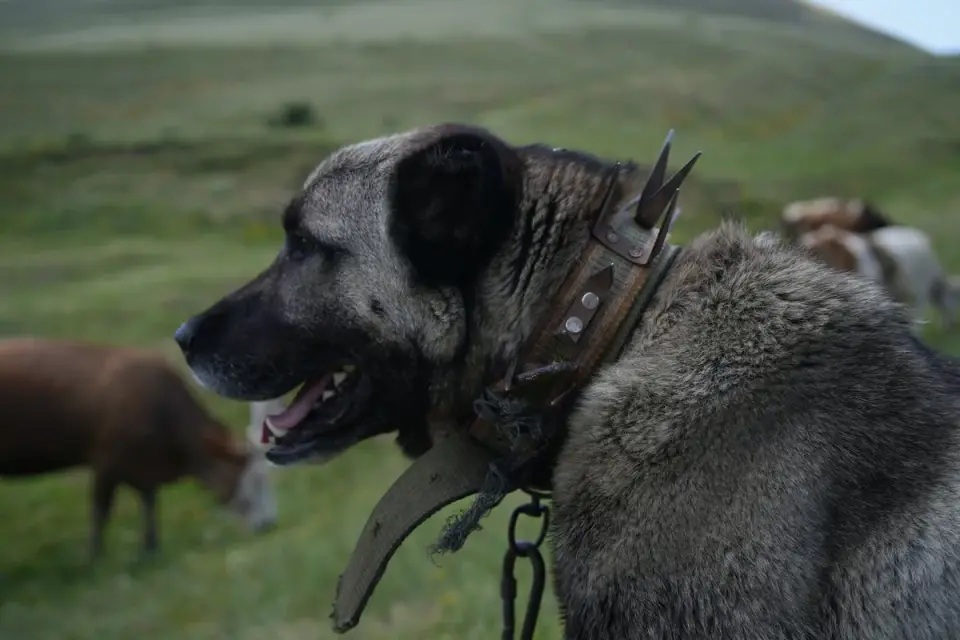
I think about a lanky cattle-dog mix I followed on a dawn loop last June, the kind of dog who’d nailed recall in class. A rabbit shot across the switchback and he was gone, owner sprinting after him shouting his name five times louder each time. He came back after about three minutes, panting hard with a torn pad and a burr-filled ear, and the owner’s instinct was to keep hiking to “walk it off.” That tradeoff — chasing plus continuing on a sore foot for another 2 miles — turned a minor pad abrasion into a week of limping. Waiting, leashing, and turning back would have cost a morning and saved the recovery window.
Bites, mouth contact, and gut fallout
Once you’ve got distance, do a 60-second hands-on check before you keep walking. Look at nose, lips, ears, legs, belly, and pads. Part the fur. Punctures can hide under thick coats and seal over quickly.
Flush minor scrapes with clean water from your bottle and cover with gauze if you carry it. Don’t apply hydrogen peroxide, alcohol, or human ointments without veterinary direction. Note time, location, and what animal was involved — that timeline helps your vet judge rabies, leptospirosis, or snakebite risk.
Any bite that breaks skin, any snakebite, any porcupine face full of quills, eye exposure to skunk spray, or a dog that grabbed and mouthed wildlife deserves a same-day call. The American Veterinary Medical Association notes leptospirosis spreads through urine-contaminated water and wet soil, which is why dogs that drink from puddles or wade after ducks on trail can need vaccination review and prompt testing if fever, vomiting, or muscle soreness appear in the following days.
This is also where I ground an integrative claim in the nutritional evidence. After an adrenaline spike, dogs often skip meals, drink too fast, then get soft stool that night. Regular fueling, water in small frequent offers, and bland, familiar food may help support normal gut comfort during recovery, while studied probiotic strains for dogs have evidence around fecal consistency — they don’t detox venom, kill rabies virus, or close a wound. If your dog vomited twice in six hours after mouthing a carcass or drinking stagnant water, that count matters more than any supplement, and you’ll want veterinary guidance rather than a chew.
That field logic is a lot like what I use for water outings — you’ll see the same load-and-recovery thinking in Is Kayaking Safe for Dogs? A Sports-Medicine Read on Load, Water, and Recovery, and the same caution about wild foods in Can Dogs Eat Mushrooms? The Field Rule for Grocery-Bin vs. Backyard Fungi.
When the textbook exit doesn’t fit
An 11-year-old spaniel with stiff hips can’t scramble up a bank to give a moose 75 yards. I watched an owner in that exact bind on a narrow willow trail last summer handle it differently, and well. She stepped her dog behind a broad trunk, sat him with a hand on his chest harness, tossed treats into the leaf litter to drop his nose, and let the cow moose cross at about 30 yards while she talked low and steady. Total standoff lasted four minutes, and his respiratory rate stayed under 40 breaths per minute instead of spiraling into open-mouth panic. For an arthritic senior, staying small and quiet beat a forced march that would have overloaded sore joints.
You’ll need that flexibility for other edge cases too. A dog that ate part of a carcass or table-like scraps off the ground needs mouth rinsing and a vet call about intestinal upset — the same reason I’m cautious about trail handouts discussed in Are Table Scraps Actually Bad for Dogs?. A dog that rolled in something dead still needs a leash bath at home, not in the stream.
A skeptical friend once asked me, if control matters most, why talk about food and gut at all? Fair question. Because tissue tolerance isn’t only ligaments. A dog that hikes dehydrated, under-fueled, or with chronic soft stool recovers slower from any hard effort, including a sprint after a squirrel. I’m not promising a supplement prevents encounters or fixes bites — it can’t — but steady nutrition may help support the recovery window you’re already protecting with rest, recheck, and follow-up.
Pack for that reality: 6-foot leash, harness with a handle, extra water, gauze, bootie, headlamp, and your vet and emergency clinic numbers saved offline. Check rabies and leptospirosis status before season, keep dogs out of dawn and dusk thickets when wildlife is most active, and debrief after: energy that night, appetite, stool, lameness, swelling. You’ll catch most problems in that 24-hour window if you’re looking.
Frequently asked questions
Should I let my dog chase deer or coyotes off the trail?
No. Keep your dog leashed at your side and move away at an angle. Chasing raises bite, kick, fall, and lost-dog risk and stresses wildlife.
My dog was bitten or mouthed wildlife — can I just watch at home?
Call your vet the same day for any bite that breaks skin, snakebite, porcupine quills in the face, or mouth contact with wild mammals. Bring time, location, species if known, and vaccine history.
Do I need to worry if my dog drank from a puddle after the encounter?
Yes, monitor closely. Stagnant water can carry leptospirosis and GI pathogens. Call your vet for fever, vomiting, diarrhea, muscle pain, or lethargy in the following days, especially if vaccines are not current.
Sources
- About Rabies — Centers for Disease Control and Prevention
- Leptospirosis in Dogs — American Veterinary Medical Association