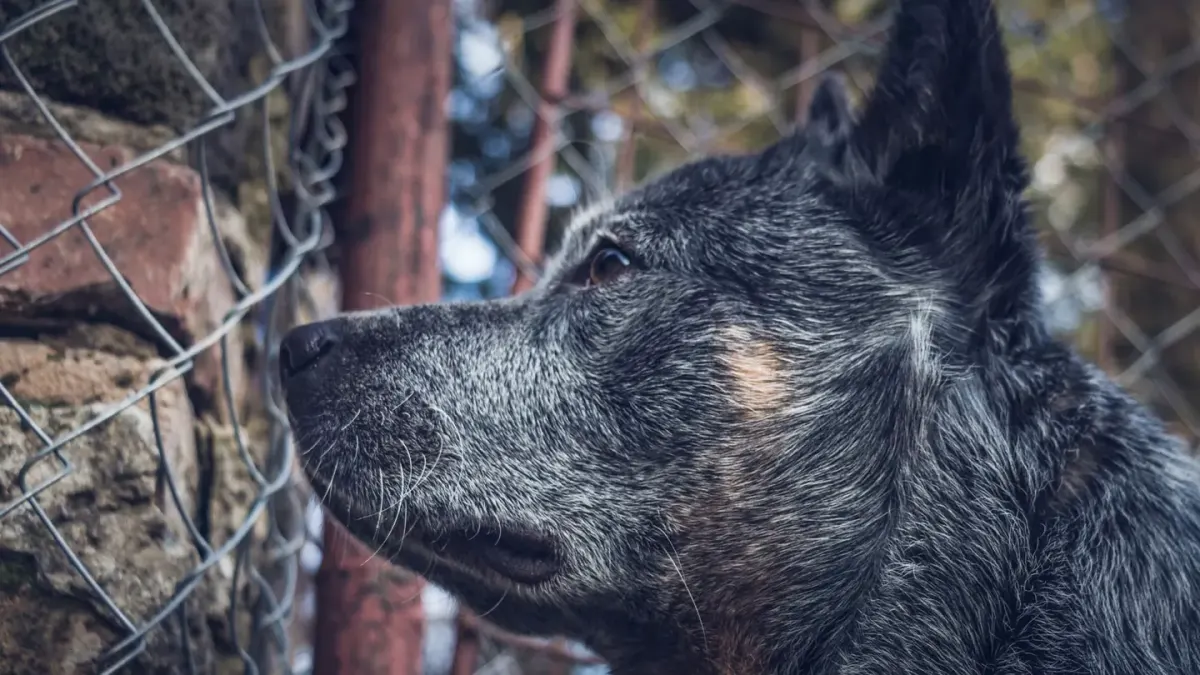
Mara and her 3-year-old, 48-pound Border Collie mix arrived at the pine trailhead last October with a treat pouch full of good intentions and no plan for the nose. Within ten minutes the dog had vacuumed a rotting apple, tried to mouth a brown-capped mushroom, and pulled hard toward a squirrel cache. Mara spent the next 40 minutes managing the mouth, not watching the walk. What she wanted was enrichment. What she got was load she had not accounted for: neck strain on the leash, sprint-stop on uneven duff, and a gut full of questionable forest inventory.
My verdict for most healthy adult dogs is this: make the first forest foraging walks sniff-first, food-controlled, and short enough that joints and stomach recover by the next morning. Weigh what a supplement can realistically do for diet, mobility, and recovery here, and it is modest — a joint-support or probiotic product may help support normal tissue maintenance and digestive regularity around activity, but it does not offset overdistance, bad footing, or eating wild fungi.
Let the nose set the workload
A foraging walk is not a hike. The dog moves at 0.5 to 1 mph while casting, pausing, and processing scent, which lowers cardiovascular demand but raises time-on-feet and eccentric load from braking, turning, and stepping over roots. I treat sniffing like interval work: high mental output, low speed, cumulative joint cycles.
For the first two weeks, keep loops to 20 to 30 minutes on soft, familiar trail, with a 5-minute sniff station every 8 to 10 minutes. Use a long line (10 to 15 feet) on a Y-front harness rather than a collar, so the neck and trachea do not absorb every lunge. Reward check-ins with small, known treats from your pouch, not finds from the ground. That distinction teaches the dog that foraging means searching with you, not harvesting without you.
Owners who want a calmer urban comparison can borrow pacing lessons from How to Find Dog-Friendly Patios and Breweries (Without Overloading Your Dog’s Body) — surface, shade, and session length matter more than the venue.
Deke is a 7-month-old, 62-pound Labrador Retriever who failed his first foraging plan because his owner built it like a fitness hike. They logged four straight 60-minute bushwhacks in five days, scattering kibble in leaf litter to encourage searching. By night four the puppy was skipping a front step after rest, licking his carpus, and turning away from breakfast. The observable change was count-based: zero play bows for three evenings after usually initiating five to six per night. The owner had mistaken more searching for better enrichment. We cut sessions to 15 minutes, moved searches to mown edge trail, fed meals from a bowl again to restore intake, and let the lameness window guide return to woods only after five clean days.
The forest floor is a buffet you should not share
This is where food therapy meets toxicology. Dogs forage indiscriminately, and forests concentrate the exact risks nutrition training warns about: wild mushrooms with amatoxins, oak acorns, black walnut, wild onion relatives, and moldy mast. Grocery-store mushrooms are a different conversation than backyard fungi, a point I explain in Can Dogs Eat Mushrooms? The Field Rule for Grocery-Bin vs. Backyard Fungi.
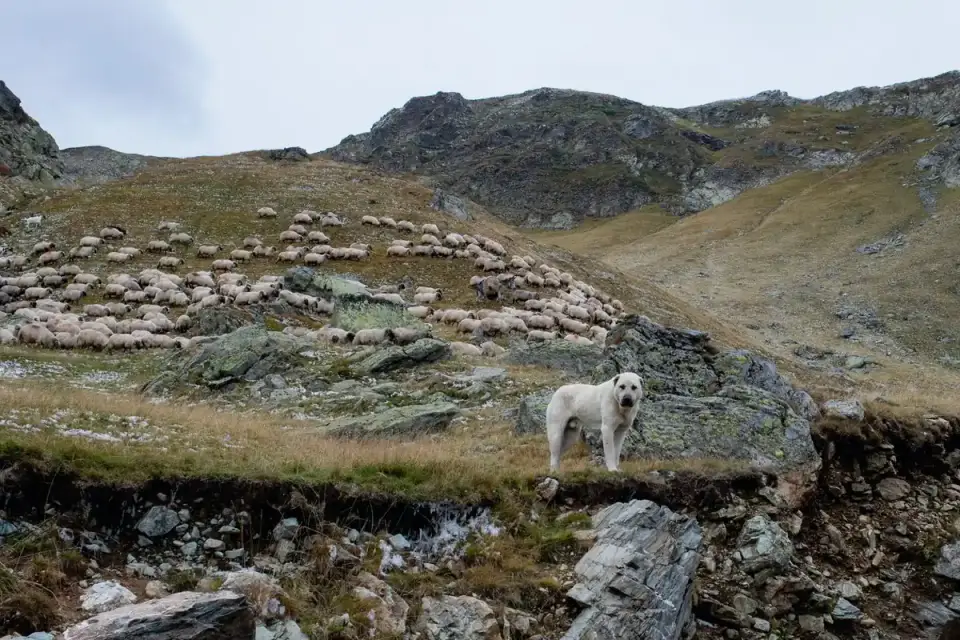
Teach a field rule early: nose on, mouth off unless cued. Train a fluent “leave it” and a “trade” with high-value pouch food before you need it on trail. I prefer a hand touch or chin rest as the behavior that earns a tossed treat away from the find, because it physically moves the mouth off the object. Muzzle training a basket muzzle for high-risk seasons is also fair sports medicine — it is protective equipment, not punishment.
Ground claims in real references. The ASPCA maintains the most practical searchable list for checking ferns, lilies, oak, and ornamentals that spill into trail edges. For mushroom risk, the American Kennel Club summarizes why wild mushrooms should be treated as presumed toxic until a mycologist proves otherwise, and why rapid veterinary care matters after ingestion. And for what onion-family plants actually do systemically, the Merck Veterinary Manual outlines poisoning principles in dogs, including oxidative red-cell injury patterns owners should understand before letting dogs root in leaf litter.
That onion point deserves emphasis because wild leeks and escaped garden alliums grow along damp trails. I cover the mechanism in Are Onions Toxic to Dogs? Yes — Here’s What’s Actually Happening in the Bloodstream — N-propyl disulfide–type compounds may help explain Heinz-body anemia risk, which is why “just a little wild onion” is not a safe find.
Joints, gut, and what feeding can realistically do
Loadline readers want doses and mechanisms, not promises. For an active foraging dog eating a complete diet, supplemental omega-3s from fish oil, glucosamine/chondroitin, and undenatured type II collagen may help support normal joint structure and mobility, but they do not increase tissue tolerance in a week. Probiotic strains such as Enterococcus faecium or Bifidobacterium animalis at labeled colony-forming-unit doses may help support stool consistency during travel, dietary change, or routine stress. That is useful around forest walks where new water, excitement, and scavenged fiber loosen stool.
What matters more is fueling and recovery windows. Feed the main meal at least 90 minutes before the walk and wait 45 to 60 minutes after hard sniffing before feeding again, to lower bloat-risk behavior in deep-chested breeds and to let panting settle. Carry water and offer 4 to 6 ounces every 20 minutes rather than a large drink at the car. If table scraps creep into trail rewards, reset with the framework in Are Table Scraps Actually Bad for Dogs?.
Tissue soreness shows up late. Watch for lagging behind at minute 18 when minute 8 was eager, wider turns, slow sit-to-stand at the trailhead, and quiet evenings.
June is a 9-year-old, 34-pound English Cocker Spaniel with early hind-limb stiffness whose owner wanted forest foraging for low-impact enrichment. We agreed on a flat 0.6-mile hemlock loop with six planted tea-tin hides using her regular kibble, not forest finds. She moved willingly for 22 minutes, then sat and refused the last incline. That single sit changed the plan. We shortened to a 0.4-mile out-and-back, added a 10-minute car rest before the drive home, and kept her joint-support nutrition unchanged rather than chasing a new product. Her morning rise time improved from 90 seconds of pacing to standing on the second cue, and that was enough to hold the shorter loop for a month.
Recovery is part of the same picture as fueling. Rinse paws after wetleaf walks, check interdigital spaces for awns and ticks, and log sleep, appetite, and stool for 24 hours. If vomiting, diarrhea, lethargy, or suspected mushroom ingestion occurs, that is a veterinary visit, not a wait-and-see supplement moment.
Keep early foraging boring on purpose. Short loop, known treats, mouth-off default, home for a meal and a nap.
Frequently asked questions
How long should the first forest foraging walk be?
Aim for 20 to 30 minutes on easy trail with frequent sniff breaks. If your dog lags, sits, or needs coaxing before the end, shorten the next loop and add a rest day.
Should I let my dog eat what they find?
No. Reward searching with treats from your pouch and cue a leave-it or trade for ground finds. Treat wild mushrooms and onion-family plants as veterinary emergencies if eaten.
Do joint or probiotic supplements prepare a dog for foraging walks?
They may help support normal mobility and digestive regularity, but they do not replace load management, training, or toxic-plant avoidance. Prioritize distance, footing, and mouth control first.
Sources
- Toxic and Non-Toxic Plants — ASPCA