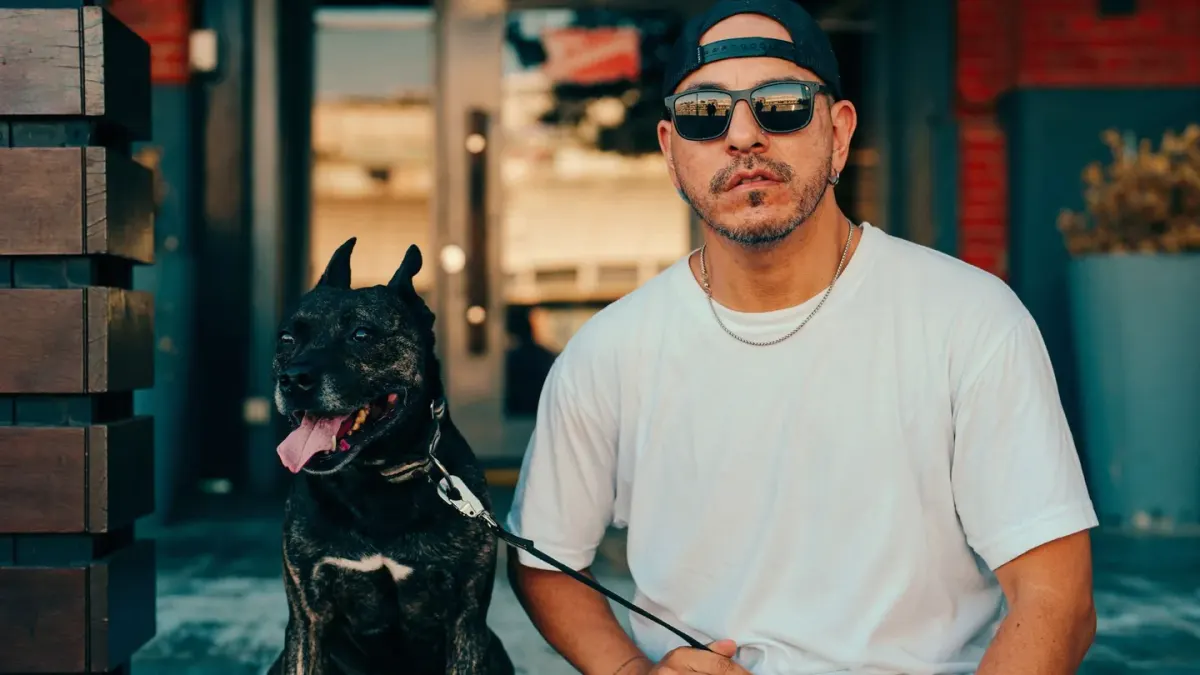
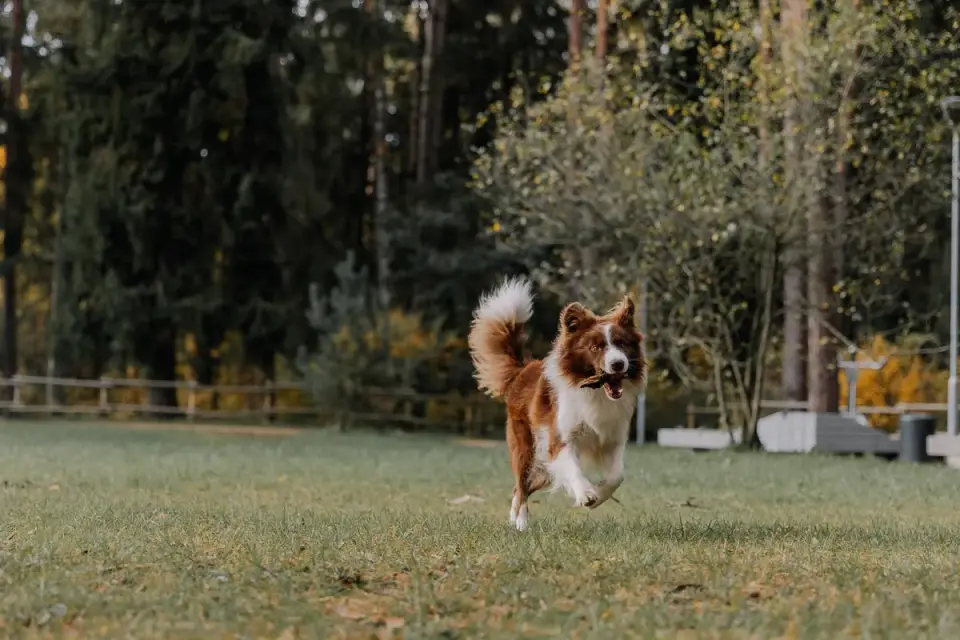
A lanky adolescent herder spins at the gate while a thick-chested bulldog-type snorts beside him, and both owners ask for the same thing: agility class on Saturday. Pick by popularity and one of those dogs pays for it in sore tissue on Sunday.
My verdict stays fixed: match drive and build to load first, then pick the sport. A supplement may help support normal joint structure and recovery nutrition, but it does not change tissue tolerance or make a poor match safe.
Start With Drive, Build, and Recovery Window
Sort your dog before you sort the list. Watch what the dog repeats without reward: chasing, tugging, sniffing, retrieving, herding motion, or climbing. Then weigh build honestly — leg length, body weight, chest depth, airway, joint history, and age.
High-chase, light-frame dogs tolerate sprint and jump load better than heavy, short-legged, flat-faced, senior, or still-growing dogs. High-sniff, methodical dogs often thrive where the nose sets the pace and joints get rest between searches. Set a recovery window you can keep: hard days need easy days, sleep, fuel, and water.
Check class rules and entry health requirements with the American Kennel Club before you register, and compare formats across organizations like the United Kennel Club so the jump heights, distances, and water rules fit your dog.
Vets often see owners miss fatigue in week three, not day one. In practice, the pattern is lagging on known cues, sloppy turns, and a long lie-down after a session that once ended with play bows.
Match Your Dog to the Right Load
Agility suits light, sound, driven herders and sporting mixes that love sequences and handler motion. Expect sprinting, tight turns, and jumping. Skip it for now for very heavy dogs, dogs with airway limits, growing plates, or unresolved lameness, and ask your veterinarian or rehab specialist about jump height and surface.
Fast CAT and lure coursing suit chase-driven sighthounds, terriers, and mixes that lock onto a moving lure. The run is short and straight, which helps many dogs that cannot turn hard. Condition for heat, footing, and full-speed deceleration, and walk out fully afterward.
Dock diving suits water-confident retrievers and mixes with strong toy drive and solid shoulders. The jump loads the forelimbs on landing and the swim taxes conditioning. Measure toy drive first at the lake edge, and pass if recall around water is unreliable. For more on water load and rest, read Is Kayaking Safe for Dogs? A Sports-Medicine Read on Load, Water, and Recovery: /articles/kayaking-and-canoeing-with-your-dog/
Nose work and barn hunt suit almost every build, including seniors and small breeds. The load is low and self-paced, while the mental work tires a busy brain. Janet in Fort Collins weighed rally against nose work for Krystal, her 3-year-old spayed Brussels Griffon, after Krystal started lying down midway through a 45-minute obedience drill. Nose work let the little dog work in 3-minute searches with rest between, and the mid-class shutdowns stopped.
Rally, obedience, and trick dog suit handler-focused dogs that want close work and clear food or play pay. Load stays modest, which helps heavy or older athletes. Prioritize short, sharp repetitions and non-slip footing over long drilling.
Canicross, bikejoring, and mushing suit leggy, endurance-bred husky types, pointers, and mixes that pull cleanly in harness and cool well. Build mileage slowly and watch heat, pads, and pulling form. This is the wrong call for flat-faced dogs, dogs that overheat, or dogs that forge and yank on a collar.
Flyball and disc suit small, springy, toy-obsessed dogs with clean turns and reliable recalls. Both pack repeated sprint, jump, catch, and turn load into short bursts. Teach a rounded swimmer turn on a box and a safe disc catch before you add speed.
Herding and hunt tests suit purpose-bred herders, retrievers, and pointers with strong instinct and steadiness around livestock or gunfire. The work is intermittent and skill-heavy, with long standby time. Enter through instinct testing and foundation handling, not open competition.
Weight pull and wall climb suit stocky, confident pullers and climbers that enjoy resistance and problem solving on good surfaces. Keep pulls submaximal, short, and well rested, and stop for any gait change. Get hands-on coaching before adding load.
Build the First Four Weeks Like Training
Do two foundation sessions per week and leave 48 hours after hard efforts. Warm up with five minutes of walking, play, and large turns. Drill one skill at a time: start-line stay, recall past distraction, crate rest between runs, or a clean jump approach.
Track load in a notebook. Log minutes, jumps or throws, surface, heat, stool quality, next-day stiffness, and willingness to start. Cut volume by half when soreness lasts past the morning walk.
Fuel for the work. Feed a complete diet that holds body condition, hydrate before and after heat, and save rich novel foods for home. For fuel math on easy training treats, see Can Dogs Eat Apples? A Sports-Medicine Look at Fiber, Sugar, and Prep: /articles/can-dogs-eat-apples/ and Can Dogs Eat Bananas? A Sports-Medicine Read on the Potassium and Sugar Tradeoffs: /articles/can-dogs-eat-bananas/
Food therapy and targeted nutrients may help support a working dog’s diet and normal recovery, weighed against what the base ration already provides. Keep doses label-true and veterinary-approved, and judge gut products by named strain and colony-forming units, not by promise.
Pick the sport you can repeat without fallout.
For related context, read Is Kayaking Safe for Dogs? A Sports-Medicine Read on Load, Water, and Recovery.
For related context, read How to Find Dog-Friendly Patios and Breweries (Without Overloading Your Dog’s Body).
Frequently asked questions
What is the easiest dog sport for a beginner?
Nose work, rally, or trick dog. They use short repetitions, low joint load, and clear handler cues, which lets most builds learn without sprint or jump stress.
Which dog sport suits a high-energy herding dog?
Agility, disc, or herding lessons fit chase and motion drive, paired with rest days and turn technique. Rotate in nose work to drain mental energy without adding leg load.
Which dog sport suits a senior or heavy dog?
Nose work, rally, and controlled swimming or walking sports usually fit best. Keep sessions brief, use non-slip footing, and clear volume with your veterinarian.