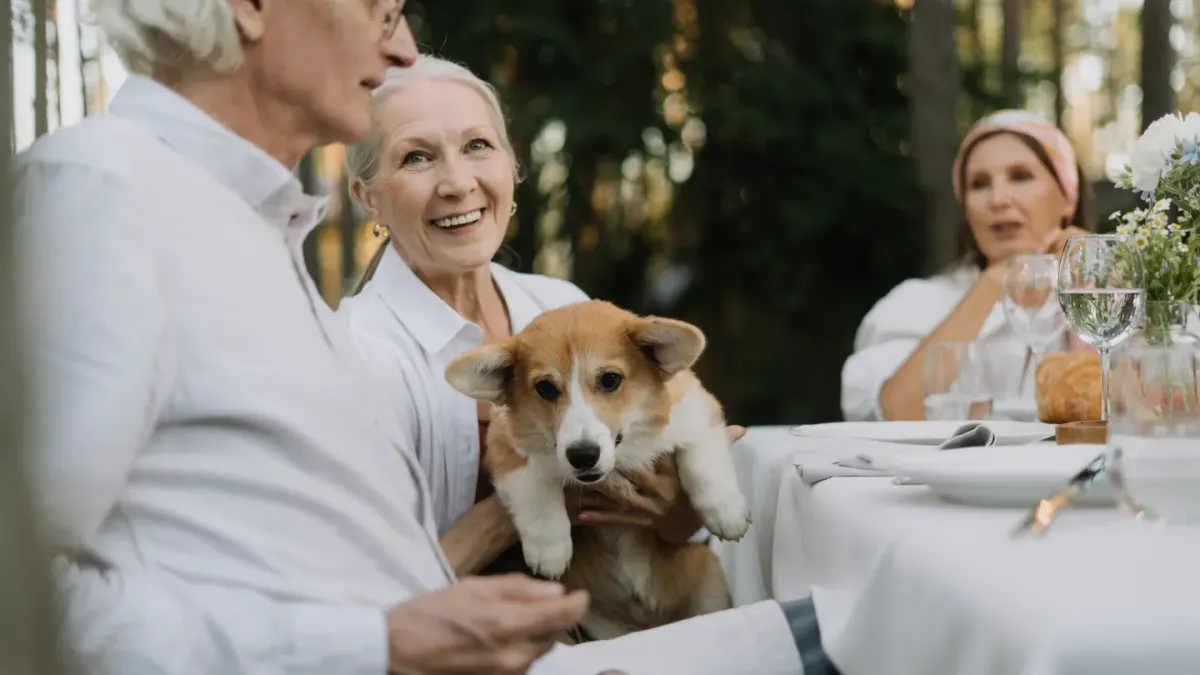
The last time I watched a tent trip unravel it was not dramatic — a four-year-old, 58-pound Border Collie mix named for a trailhead, panting through midnight in a two-person dome while her owner whispered that she was normally crate-quiet at home. By 2 a.m. the pad had slid, the leash had wrapped the pole, and the dog had not slept more than twenty minutes at a stretch. That restless night changed how I counsel owners: a tent is a confined recovery box, and every item you bring either protects sleep, digestion, and tissue tolerance or quietly taxes them.
The verdict is straightforward. Prioritize a secure sleep system, measured food plus safe water, light and traction for paws, parasite control cleared with your veterinarian, and a gut-steadying nutrition plan over novelty gear. Supplements may help support normal recovery and stool quality on travel, but they cannot replace calories, hydration, rest, and load management.
The tent-camping checklist I want every owner to pack
- Shelter control: appropriately sized tent, dog-specific sleeping pad and blanket, long line plus flat collar with ID, stake-out or hands-free waist leash for camp
- Fuel and water: pre-portioned regular diet plus 20% extra, collapsible bowls, carried water and filter, familiar treats for recall
- Recovery and gut steadiness: regular probiotic or fiber plan already trialed at home, bland backup meal, waste bags and trowel
- Body protection: well-fitted harness, booties or paw balm, towel and brush, tick remover, flea and tick preventive per your veterinarian
- Safety and sleep: headlamp and clip-on dog light, first-aid kit with styptic and bandage material, vaccination records and photo of records, white-noise or crate cover equivalent
- Leave-no-trace camp kit: 6-foot leash for trailhead rules, bear canister or opaque food bag where required
A tent changes how a dog recovers overnight
Dogs lose heat to the ground faster than owners expect, and broken sleep raises next-day soreness and gut sensitivity. I fit the dog pad first, then my own. Closed-cell foam under an inflatable dog bed prevents the slow slide you heard about in that midnight Border Collie story, and a familiar blanket carries scent that lowers vigilance in a nylon shelter.
Practice matters more than fabric. Set the tent up in the yard, feed dinner inside it, and run two naps before the trip. Clip a short drag line to a flat collar inside the tent so a push on the door does not become a midnight escape.
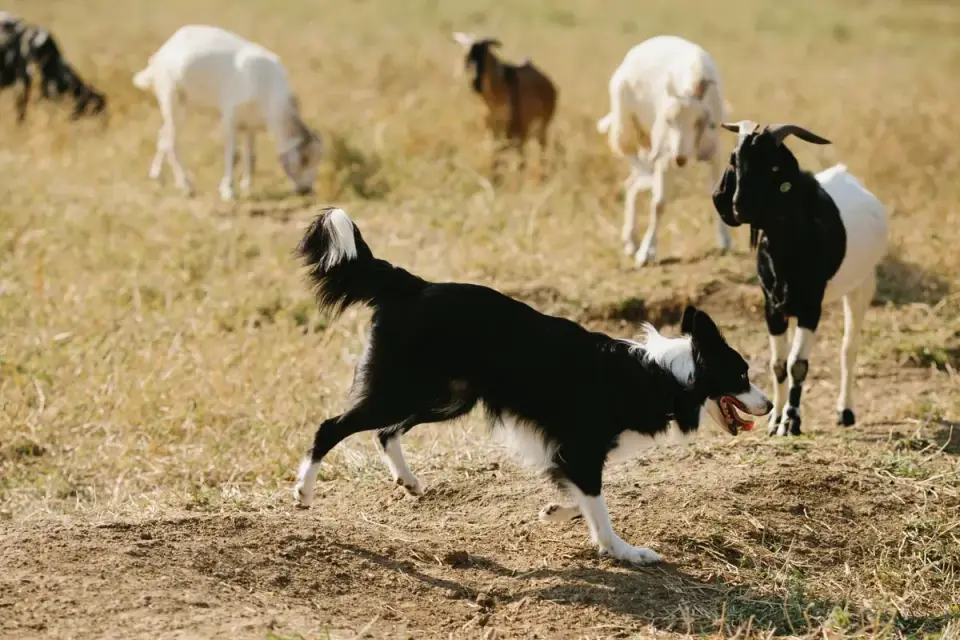
For parks and trailhead compliance, check the U.S. National Park Service pet rules before you go, because many front-country campgrounds require a 6-foot leash and prohibit dogs on backcountry trails.
A tent dog is a confined dog.
Food, water, and gut tolerance decide the second day
The strongest counterargument I hear is that active dogs should travel light on food and make up calories with camp scraps and extra mileage. I reject that trade for tent trips. Unfamiliar fat and interrupted water intake are the fastest route to vomiting, soft stool, and a dog that will not settle, and no probiotic dose compensates for a sudden diet change at 9,000 feet.
Ground an integrative claim in the nutritional evidence here: a multi-strain probiotic or psyllium-based fiber plan you already use at home may help support normal stool quality during travel stress, but only when the base diet stays constant, portions are weighed, and water is offered on schedule. That is supplement science as fueling, not rescue. For meal math and storage specifics, see Packing Meals for a Camping Trip With Your Dog before you portion bags.
We learned the hard version with a seven-year-old, 72-pound Labrador who hiked big, ate camp bacon on night one, and refused breakfast on morning two, three weeks in to a return-to-hike program after a forelimb strain. The owner had brought joint chews but no backup bland diet, no extra kibble, and no measured water stop plan. By the afternoon water crossing the dog was lagging, drinking in gulps, then vomiting clear fluid behind a log. We cut mileage, fed small frequent meals of his regular kibble soaked in warm water, rested him in shade, and called his veterinarian about persistent signs. The chews stayed in the bag. Calories, familiarity, and pacing did the work.
Carry more water than you think. Offer small amounts every 30 to 60 minutes on the move rather than one deep bowl at camp. If you filter, filter for both of you.
Feet, ticks, and camp hazards need a field routine
Paws are load sensors. Hot granite, cold wet grass, and tent-floor condensation all change traction and tissue tolerance. I pack booties for emergency egress and paw balm for daily care, plus a towel for a two-minute foot check each night — between toes, pads, and nails — the way an athletic trainer checks a runner.
Tick checks belong in the same window. Run hands against the coat at the ears, armpits, and groin, remove attached ticks promptly with fine-tipped tweezers, and keep the flea and tick preventive your veterinarian prescribed on schedule. For foraging risk around camp, review Can Dogs Eat Mushrooms? The Field Rule for Grocery-Bin vs. Backyard Fungi and keep dogs from grazing, because vomiting in a tent at midnight is miserable for everyone.
Pack out waste, secure scented items, and honor quiet hours. The Leave No Trace Center for Outdoor Ethics principles on waste, wildlife, and considerate camping translate directly to dogs: bag feces, bury or pack out where required, never let dogs chase wildlife, and store food away from the tent.
The third scenario surprises owners. An 11-year-old, 24-pound terrier mix camped well for years, then by day 10 of a longer road-and-tent loop started hesitating at the tent door and waking to pace. The issue was not behavior. Cold ground aggravated stiff hips, the low door required a crouch she no longer tolerated, and a bright headlamp in the tent kept her alert. We added a thicker foam pad, lifted her in and out rather than coaxing a jump, moved the light outside the inner tent, and shortened the morning hike to preserve evening sleep. Table food was part of the same conversation — we kept meals plain after reading Are Table Scraps Actually Bad for Dogs? together — and her nights steadied. Older athletes can still tent camp, but insulation, access, and recovery windows matter more than mileage.
Bring paper copies of vaccine records and a current photo. If your dog slips a collar at dusk, you will want proof and a picture on your phone without signal.
Frequently asked questions
How much extra food should I bring for a dog when tent camping?
Bring the regular diet pre-portioned for each day plus about 20% extra for cold nights and bigger mileage days, and keep treats and camp food separate so total fat stays familiar.
Should my dog sleep inside the tent or outside on a tie-out?
Most dogs sleep more soundly inside the tent on their own insulated pad with a short indoor drag line, while food, trash, and scented toiletries stay secured outside the tent per campground rules.
What if my dog gets diarrhea at camp?
Feed small frequent meals of the regular diet, offer small water amounts often, rest, and contact your veterinarian promptly for bloody stool, vomiting, lethargy, or no improvement — bring a bland backup meal you have trialed at home.
Sources
- Why the 7 Principles Matter — Leave No Trace Center for Outdoor Ethics
- Pets in National Parks — U.S. National Park Service