
On this page
A seven-year-old Vizsla mix named Spanky hits the end of a 20-foot long line in Walter’s Wichita Falls backyard, three minutes into fetch, still vibrating and still asking for more.
That is the fetch trap Loadline sees in high-drive dogs: the arm tires before the nervous system settles. My verdict for healthy, chase-motivated adults is to replace one or two fetch sessions per week with an introductory lure course for dogs, where sprint load comes in measured bursts with start rules, footing checks, and rest built in.
1. Chase gets a finish line
Lure coursing uses a motor-driven line and plastic lure that zigzags across a field, usually 300 to 600 yards for a full run and much shorter for try-it events. Dogs chase, the lure stops, the arousal has somewhere to land.
The American Kennel Club describes lure coursing and the Coursing Ability Test as structured chase sports with eligibility, course, and safety rules, not open-field racing. That structure is the point for fitness: defined effort, defined stop, handlers catching at the finish.
Fetch has no finish line. The ball keeps resetting the chase circuit, and hard deceleration on the same shoulder and same turn adds load without enrichment variety.
2. Load arrives in bursts you can manage
Think like a performance coach. A lure run is interval work: warm-up walk, one short sprint, leash on, walk out, full recovery. Most beginners do one or two short runs in a day, with 20 to 30 minutes of easy walking and sniffing between efforts.
That pattern respects tissue tolerance better than 40 straight throws. Tendons and paw pads handle one honest sprint followed by rest far better than repeated skids to a stop on worn grass or tennis-court asphalt.
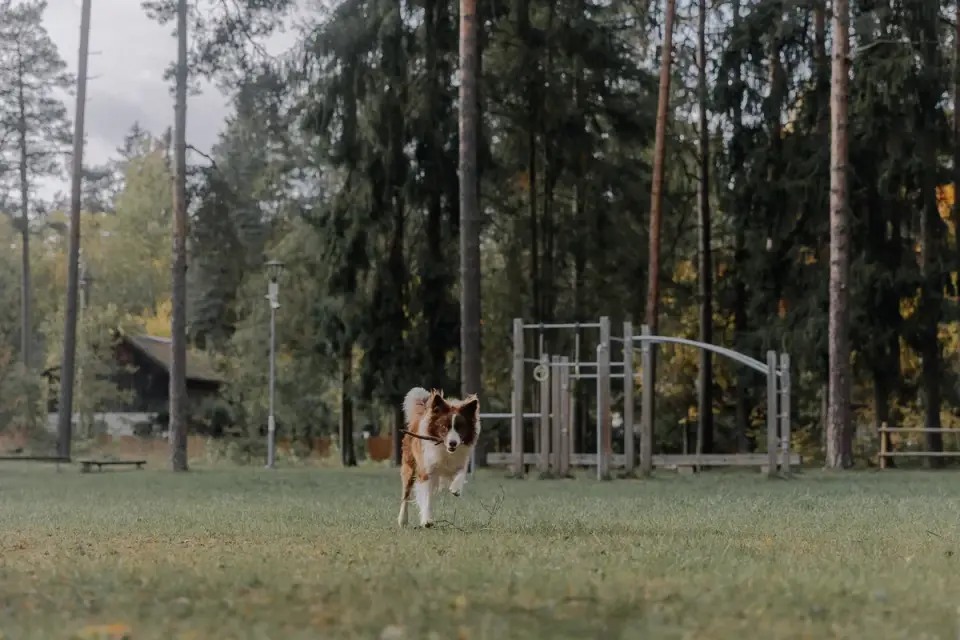
Vets often see the contrast in active breeds after a weekend of over-fetch: sore forelimbs, torn pads, and a dog that still cannot settle. In practice, cutting volume and adding a recovery window does more for joints than any powder added to dinner.
3. Footing and warm-up are part of the sport
Good clubs mow, walk the line, pull debris, and cancel when ground is rutted or frozen. Handlers are expected to warm up with five to ten minutes of brisk walking and easy turns, then cool down the same way.
Ask three questions before you enter any fun run: How long is the puppy or beginner course? What surface are we running on today? Where is the catch pen and who stops the lure? If no one can answer, skip it.
The United Kennel Club maintains its own lure coursing format and meet expectations, which is useful context because rules differ slightly between organizations on course length, eligibility, and titles.
4. Food and gut decide how well sprint day goes
A sprint athlete needs familiar fuel, not a pre-race experiment. Feed the normal balanced dinner the night before, run on a mostly empty stomach in the morning, offer small amounts of water often, and feed the regular meal a few hours after cooling out.
From a nutrition standpoint, weigh what a supplement can realistically do for diet, mobility, and recovery. Adequate protein, omega-3 fatty acids from fish oil at a named dose from your veterinarian, and steady body condition may help support normal joint structure and post-exercise recovery; they do not raise tissue tolerance enough to outrun bad load planning. Ground that integrative claim in the nutritional evidence: food therapy and conditioning carry the effect, the capsule only supports the edges.
Dogs that travel poorly often run better when gut routine stays boring — same food, same timing, plus shade rest. For ideas on keeping active outings low-stress on the body, the same pacing logic in Is Kayaking Safe for Dogs? A Sports-Medicine Read on Load, Water, and Recovery and How to Find Dog-Friendly Patios and Breweries (Without Overloading Your Dog’s Body) transfers well to coursing day.
5. Who should try it, and who should sit out
Best candidates are healthy adults over 12 months with a strong visual chase drive — sighthounds, terriers, herders, and mixes like Spanky — cleared for sprint work. Walter’s better first step was a 100-yard fun run, one rep, then a leashed sniff walk while he watched arousal drop by half within ten minutes.
Sit out or get clearance first for puppies with open growth plates, brachycephalic dogs in heat, dogs with lameness, heart disease, or heat intolerance, and any dog that cannot be caught safely at the finish. Endless fetch is also wrong for those dogs; the answer is shorter sniff walks and training games, not more throws.
Start with a club practice, a Coursing Ability Test practice, or a rental field that runs a lure machine. Bring a flat collar, two leashes, water, and a crate for downtime. Leave the ball at home for one weekend and see which dog you drive home.
Frequently asked questions
Is lure coursing safe for non-sighthounds?
Yes, many clubs offer Coursing Ability Test style runs for all breeds. Keep runs short, check footing, warm up and cool down, and stop if your dog limps, pants excessively, or cannot recover within 15 minutes.
How is lure coursing better than fetch for fitness?
Lure runs deliver one defined sprint with a clear stop and rest interval. Fetch often repeats high-speed stops and turns with no recovery window, which concentrates load on shoulders, carpi, and pads.
How old should a dog be to try a lure course?
Most organizations focus on adults, generally 12 months and older. Ask your veterinarian about growth-plate closure and sprint readiness, especially for large breeds and intense chasers.
Sources
- Lure Coursing — American Kennel Club
- Lure Coursing — United Kennel Club