On this page
Derrick set three cardboard boxes on the patio in Orange, and his 2-year-old Chihuahua Ringo checked every one in under 90 seconds, tail up, nose working, body relaxed. That is the right first picture for scent work: low movement, high thinking, and a clear win to end on.
My read for most pet dogs is to treat scent games as skill load rather than exercise load. The nose does the work while joints, paws, and gut stay well inside tolerance, which makes this one of the safest outlets for seniors like Petie-types, rehabbing dogs, and busy adolescents that need focus without more miles.
Short, successful searches build hunt drive and tissue tolerance at the same time.
Start where every dog can win
Forget odor kits, vehicle searches, and buried hides for now. Begin with paired food hides in a familiar room, no wind, no distractions, and no elevation that asks a dog to jump or climb.
Put a high-value treat in one open box among two or three empty boxes, spaced 3 to 4 feet apart. Let the dog watch you place it the first two repetitions, then release with a single cue like “find it.” Reward at source with two or three more small treats, not back at your hand, so value stays with the odor.
The American Kennel Club describes this same progression from paired food to novel environments, and it matches what holds up in practice: confidence first, difficulty second. Keep early sessions to three to five finds, once or twice per day, then stop while the dog still wants more.
A high rate of reinforcement may help support motivation and steady food intake, which matters because repeated training on an empty or upset stomach rarely produces clean learning. If table foods are part of your reward mix, the same caution that applies to table scraps and gut upset applies here — keep pieces pea-sized, low-fat, and counted in daily calories.
Build difficulty in one variable at a time
Once Ringo-style enthusiasm shows — pulling toward the start, diving nose-first into boxes, eating quickly and re-engaging — change only one thing per session.
Good next steps in order are closed boxes with finger holes, then boxes in a second room, then food hidden 6 to 12 inches off the floor on a stable chair leg or door jamb, then shorter grass outside. The National Association of Canine Scent Work frames K9 Nose Work around these elements of containers, interiors, exteriors, and vehicles, which is useful even for pure game play because it reminds owners to isolate novelty.
In load terms, think volume before intensity. Add one more hide before you add height, distance, wind, or duration. For stiff or older dogs, keep hides at nose height and on non-slip footing; the goal is sustained sniffing with a level back, not repeated sit-to-stand or reaching overhead.
Dogs that pant heavily, start mouthing boxes, wander away, or disengage after two finds are not being stubborn. They are out of recovery window.
Stop, water, sniff walk, done.
Read the dog the way you would read training load
Scent work looks restful, but focused sniffing raises respiratory rate and mental fatigue. Vets often see owners miss this because the dog barely moves.
Watch for hard panting that does not settle in two minutes, glazed checking-out, sneezing fits from dusty containers, or soreness the next morning after searching slopes or wet grass. Those signs mean shorten the next session by half and return to an easier hide height.
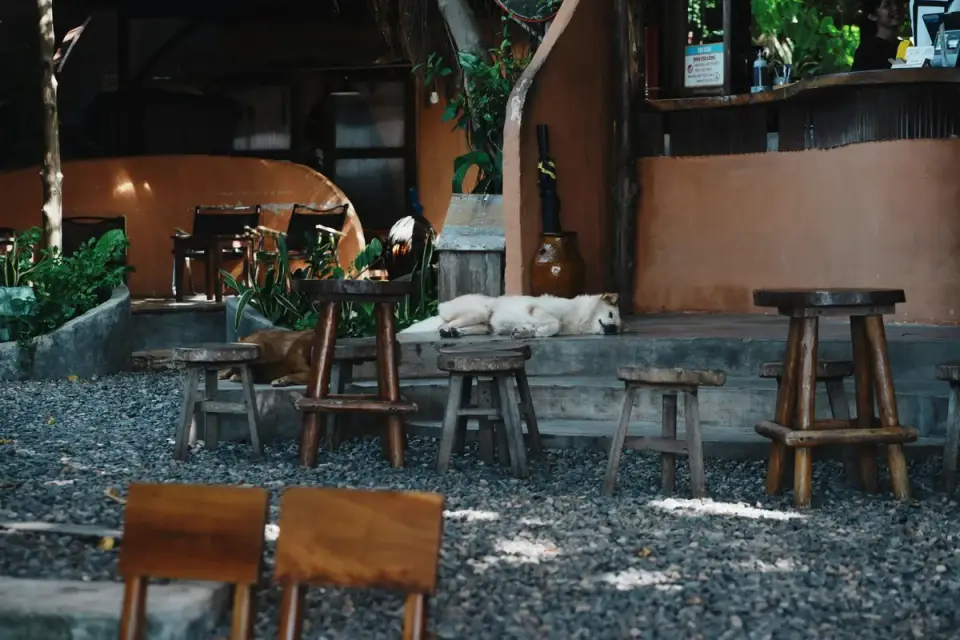
This is also why context matters. A patio search after a long outing is a different load than a morning search at home, the same reason finding a calm patio setup and judging water outing load in kayaking come down to duration, surface, and recovery time. For scent games, firm shade, water access, and a 5-minute decompression sniff walk make the next session better.
From a nutrition and recovery view, I weigh what food can realistically do: small, digestible rewards may help support training consistency and normal gut function during active weeks, but they do not change joint structure or tissue tolerance on their own. That distinction keeps expectations honest for sporting and senior dogs alike.
A two-week starter plan you can repeat
Week one is boxes only. Days 1-3: three open boxes, visible placements, three finds per session. Days 4-7: same boxes closed but unsealed, dog out of sight for placement, four finds maximum.
Week two adds place novelty. Two interior rooms, then one calm exterior corner, hides still low and paired with food. If accuracy stays above about 4 in 5 finds, stretch distance between hides from 4 feet to 8 to 10 feet. If accuracy drops, do not cue harder — make the next hide easier and pay better at source.
Most pet dogs do not need target odor to get the enrichment benefit. If you later want sport odor like birch or anise, learn handling and storage through a local class rather than improvising with essential oils, many of which irritate airways or gut if chewed.
End every session the same way: jackpot at the last find, leash on calmly, water offered, notes on hides, wind, and energy. That log becomes your load-management record.
Frequently asked questions
How long should first scent work sessions be?
Keep them to 3 to 5 minutes with 3 to 5 easy finds, once or twice daily. Stop while your dog is still eager to search again.
Does my dog need sport odor to start?
No. Paired food hides in boxes teach the same search pattern and focus. Add target odor later through a class if you want to compete.
Is scent work safe for seniors or dogs with joint issues?
It is often a good fit because movement stays low, but keep hides at nose height on non-slip footing and ask your veterinarian about load limits.
Sources
- Getting Started in AKC Scent Work — American Kennel Club
- What is K9 Nose Work — National Association of Canine Scent Work