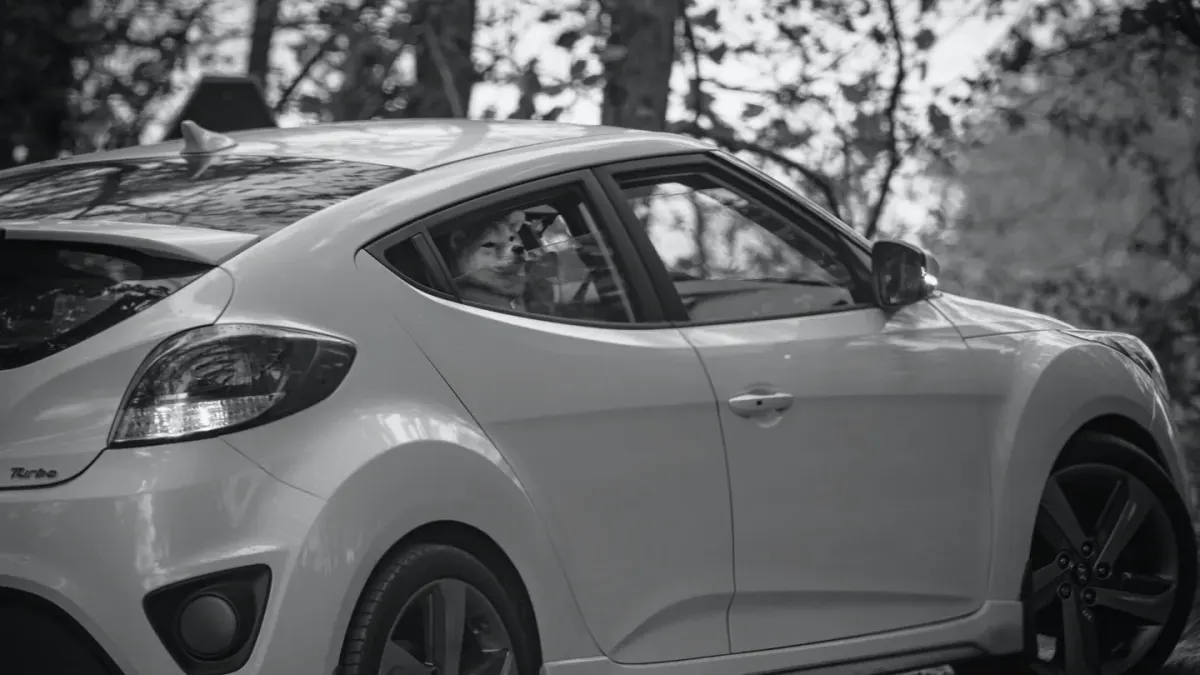
I expect a rental car to smell like nothing, and your dog expects it to be a strange, slippery cave that moves at 70 miles an hour. That mismatch is the whole trip.
Last summer I counseled an owner heading from Denver to Moab with a 4-year-old, 68-pound Labrador who had never ridden in anything but her own muddy SUV. She was worried about motion sickness, but her bigger risk was logistics: an unfamiliar Escape with slick seats, no barrier, no tether anchors she knew, and a $400 cleaning clause in the rental agreement. By day 2 of their practice runs she could see the pattern — he paced for ten minutes, then settled once his crash-tested harness was clipped short to the seatbelt and a familiar mat went down. That baseline told us what to pack, and it told her what recovery would look like at rest stops.
My verdict for rental-car travel is simple: restrain like tissue tolerance matters, because it does.
The rental changes load, not just rules
Your own car forgives sliding. A rental does not, and neither do your dog’s joints.
Every turn and hard brake becomes eccentric load through shoulders, elbows, and the low back when a dog is loose or on a long tether. In sports-medicine terms, restraint is how you narrow tissue load to a range the body can handle repeatedly over a long drive. A crash-tested harness attached short, a secured crate for small dogs, or a hammock plus tether combo keeps braking forces from turning into a full-body scramble.
The American Veterinary Medical Association frames it the same way from a safety angle, recommending secured crates or harnesses and never allowing dogs to ride loose or with heads out windows. I use that baseline with clients and add the rental wrinkle: bring your own restraint and test-fit it before pickup day.
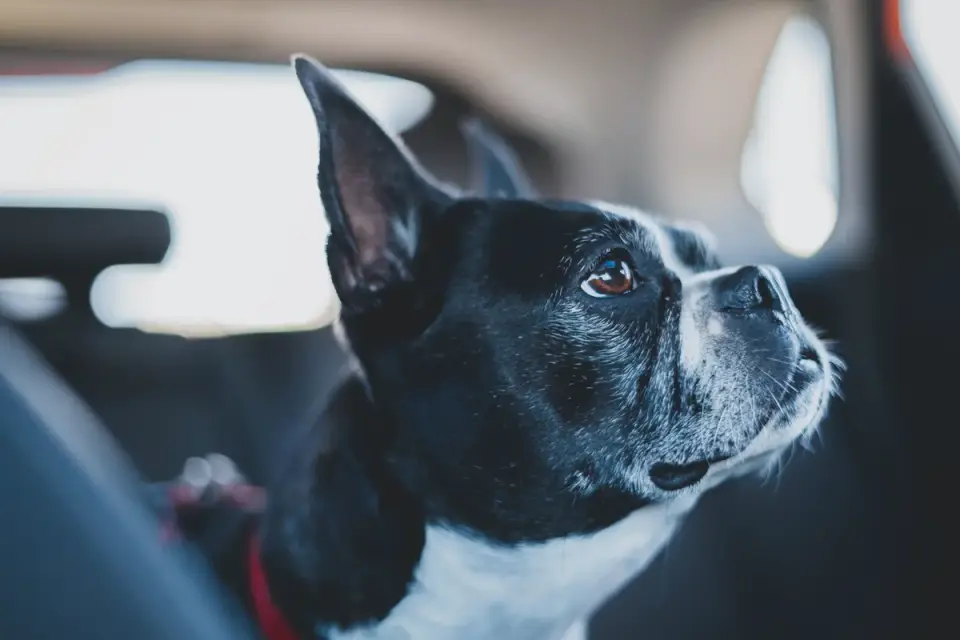
Expectation first: no setup eliminates motion, it just keeps recovery windows short. Plan stops every 2 to 3 hours for water, a sniff walk, and a reset.
Loose vs. restrained: what I prioritize
Loose feels kinder. It is not.
A loose 50-pound dog becomes a projectile in a 30-mph stop, and independent testing from the Center for Pet Safety has repeatedly shown how many common harnesses and carriers fail under crash forces. That is why I tell owners to choose a restraint with published crash-test data over a comfort-only harness, even if the fit takes longer.
For contrast, compare your options honestly:
- Crash-tested harness, short tether: best for most medium and large dogs in a rental back seat. Allows sit, down, and turn without surfing.
- Secured hard crate: best for small dogs and anxious chewers. Protects upholstery and contains hair. Must be braced so it cannot slide.
- Hammock cover alone: protects seats, does nothing for load. Only use it under a real restraint.
If you want the size nuance, read Traveling With a Small Dog vs a Large Dog: What Actually Changes before you choose between crate and harness.
Protect the car without stressing the dog
She tried the cheap fix first. A thin sheet tucked around the headrests, a dangling leash clipped to a collar, and a 6-year-old, 42-pound border collie mix who stress-panted through their first hour on I-70. By the return leg three weeks in, the sheet had slid into the footwell, the dog had braced his front feet on the center console for every exit ramp, and the owner was bracing her own shoulder to hold him back. Nothing tore, but nobody recovered — he arrived wired, she arrived sore, and the rental still needed a full vacuum.
That failed approach is common because it protects fabric, not behavior.
Low-stress handling works better. Cover seats with a fitted, washable hammock that anchors to headrests, lay a non-slip mat where paws land, and bring a chew-safe blanket that already smells like home. Keep nails trimmed, wipe paws before loading, and feed meals on schedule rather than free-feeding from a bag on the seat. For meal packing on longer adventure legs, I like the system in Packing Meals for a Camping Trip With Your Dog.
Keep it preventive.
The rental-day sequence that holds up
Think fueling and rest, not just mileage.
Offer water at each stop, keep the morning meal light if your dog gets queasy, and avoid new treats or rich food on travel day. The gut clock matters for recovery, and a dog that vomits once will often refuse to settle for the next two hours. If nausea is the pattern, talk with your veterinarian before you try anything, and read Ginger vs. Chamomile for Dog Car Sickness: What the Evidence Actually Supports so you know what the evidence actually supports.
The edge case owners miss: heat, paperwork, and return inspection
He was a 9-year-old, 14-pound senior terrier mix flying into Phoenix for a family move, then finishing the last 180 miles in a rental. The owner had water, a crate, and shade cloth dialed. What changed the plan was a dated timeline: by day 10 in 100-degree heat, the dog refused a midday rest-stop walk, panted for 20 minutes after a five-minute potty break on hot asphalt, and needed a cooled car plus a dusk walk to return to baseline. The rental piece mattered too — the agency required dogs crated, and the dashboard thermometer read 118°F after six minutes parked.
That is the edge case: rental policies assume you will never leave the car hot, and senior dogs lose heat tolerance faster than owners expect.
The Centers for Disease Control and Prevention reminds travelers that heatstroke can happen in minutes even with windows cracked, and rental returns add their own heat — idling in a return lane with a stressed dog. I tell clients to pre-cool, park in shade, use drive-through returns when possible, and never leave a dog unattended to grab paperwork.
Photograph the interior at pickup and return, shake out covers at the car wash vacuum, and budget ten minutes for hair removal. If flying connects to your drive, compare the sequences in How to Fly With a Dog: The Complete Guide.
Realistic timelines help here: most dogs need two to three short practice rides to accept a new restraint, not one long trial the night before.
Frequently asked questions
Do rental car companies allow dogs?
Many do, but policies vary by company and location and almost all charge cleaning or damage fees. Confirm in writing, ask if a crate is required, and photograph the interior at pickup.
What is the safest way to restrain a dog in a rental car?
A crash-tested harness with a short seatbelt tether for medium and large dogs, or a braced hard crate for small dogs. Hammock covers protect seats but do not restrain on their own.
How often should I stop on a road trip with a dog?
Plan a brief stop every 2 to 3 hours for water, toileting, and a sniff walk. Senior dogs, puppies, and dogs prone to car sickness may need shorter intervals.
Sources
- Traveling With Your Pet — American Veterinary Medical Association
- Pet Safety Research and Crash Test Results — Center for Pet Safety
- About Traveling with Pets — Centers for Disease Control and Prevention