On this page
Plan the recovery windows before you plan the route, because stiff joints fail on accumulated load, not on one big walk.
An 11-year-old, 68-pound Labrador taught me how concrete that choice is. His owners wanted a six-hour drive to a lake cabin for a long weekend, with a dock, stairs, and big hikes on the agenda. At baseline he rose slowly in the mornings, warmed out of stiffness in about ten minutes, then faded after 25 minutes of steady walking. We kept the cabin but rewrote the plan around him: drive broken into two-hour blocks, no dock jumping, one short sniff walk before breakfast and one after dinner, and a ground-floor sleeping spot. By day 3 he was still getting up cleanly, which was the marker that mattered.
That is the lens I use for every senior trip. Think like load management. Total tissue load is distance plus stairs plus slippery floors plus cold plus excitement, minus sleep and true rest. Senior cartilage and soft tissue have narrower tolerance and slower recovery, so the goal is to keep each bout of load inside what the dog can clear by the next morning.
The stiff-joint travel checklist
- Book for surfaces first: ground floor, elevator, non-slip rugs, minimal stairs
- Break driving or flying into 2–3 hour load blocks with sniff-and-toilet breaks
- Pack the sleep kit: familiar bed, non-slip mat, ramp, towel for cold joints
- Keep daily walking volume at or below home baseline for the first 48 hours
- Schedule one full rest half-day after arrival and before the return leg
- Pre-book a vet check for pain scoring, medication timing, and travel paperwork
- Plan warm-up and cool-down: 5-minute slow leash walk before and after activity
If you only do three things, do these: sleep low, split the travel day, and hold the first two days easy. Stiffness that eases with gentle movement but worsens the morning after more activity is your signal that load exceeded recovery.
Split the travel day into load blocks
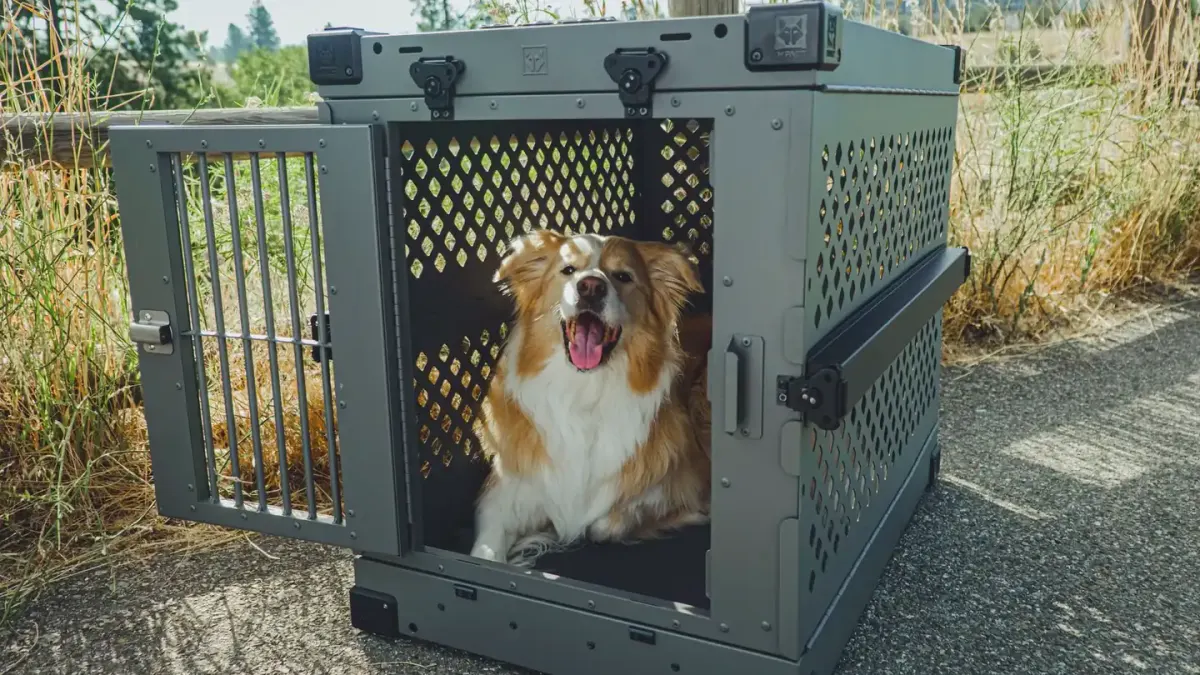
Car travel looks restful, but holding one posture in a crate or back seat stiffens hips, elbows, and spine. The American Veterinary Medical Association reminds owners to plan frequent stops, ventilation, restraint, and never leave dogs unattended in vehicles, which lines up with joint logic too: stop, unload, move slowly, offer water and a toilet chance, then reload.
I counsel owners to use the same interval they use at home between naps. For most seniors that is every two to three hours. Park away from traffic, use a non-slip ramp or lift with a belly band if the dog hesitates, then walk five to ten minutes on grass at the dog’s pace. Skip the roadside fetch game.
Flying adds a different load: noise, vibration, crate confinement, and long no-exit windows. If you are weighing cabin versus cargo, read How to Fly With a Dog: The Complete Guide before you book, and size the crate for standing, turning, and lying flat. For stiff seniors, I usually favor driving when possible, not because flying is unsafe, but because you control the breaks.
We tried to push through once and it backfired. A 9-year-old, 52-pound mixed breed was doing well on a joint plan, so her family skipped the planned halfway stop to make a four-and-a-half-hour drive in one go. She loaded up stiffly at the rest area, then refused the cabin stairs that night and needed carrying. By day 10 back home she was back to baseline, but the trip itself was spent managing soreness instead of enjoying it. The tradeoff was clear: saving 30 minutes cost two days of comfort.
Shorter blocks feel slower. They protect the next morning.

Set the destination for traction, warmth, and sleep
Senior dogs do not recover well on slick vacation floors, high beds, or cold drafts. Call ahead about stairs, bed height, and flooring. Pack interlocking foam tiles or yoga mats for the main lane from bed to door, plus a ramp rated for your dog’s weight. Size differences matter more than owners expect, as explained in Traveling With a Small Dog vs a Large Dog: What Actually Changes.
Keep the sleep setup boring and low. Same bed from home, same blanket, ground floor, warm corner away from the door. Cold mornings increase visible stiffness for many arthritic dogs, so add a fleece layer and a brief indoor warm-up — hallway walking and gentle weight shifts — before the first outdoor walk.
Hold activity to home volume for 48 hours. If the dog normally walks 20 minutes twice daily on soft paths, do not start the trip with a 60-minute historic-town walk on cobblestones. Build in one true rest half-day mid-trip. That window is where tissue tolerance resets.
Keep expectations preventive and timelines realistic
Joint supplements and medications may help support comfort, but they do not widen tolerance overnight. The American Animal Hospital Association pain guidelines frame arthritis care as multimodal — weight, exercise modification, environmental changes, and veterinary pain planning together — not a single product. VCA Hospitals describes the same home pattern owners see on trips: slow to rise, lagging on walks, reluctance on stairs, and stiffness after rest.
My evidence-bounded recommendation is simple: manage load and recovery before you add anything new. The strongest counterargument is that a new chew or anti-inflammatory started the week before travel will save the trip. Sometimes prescription pain control prescribed after an exam is exactly right, but starting novel supplements right before travel risks gut upset and masks the load signal you need to read. I still land on load first because it is adjustable every hour and has no wash-in time.
Get a pre-trip exam two to four weeks out. Ask for gait and pain scoring at baseline, body-weight check, nail trim for traction, medication timing for travel days, and what to do if stiffness spikes. If energy has been fading for months, not just joints, use How to Help a Senior Dog Regain Lost Energy Safely to frame that vet conversation.
Here is the edge case owners miss. A 13-year-old, 18-pound terrier mix I counseled looked great on short home walks, yet on a beach rental she deteriorated by the second evening — panting, restless, unwilling to settle. The issue was not distance. It was sand plus wind plus broken sleep plus three flights of deck stairs, repeated six times daily. Once the owners moved her bed downstairs, carried her on the deck stairs, and cut beach time to one 15-minute morning visit, her morning rise time dropped from eight minutes to under three minutes within two days. Total load hides in repetitions, not miles.
You cannot prevent all stiffness. You can plan so mornings stay clean.
Frequently asked questions
How long should a senior dog with stiff joints ride in the car without a break?
Plan a stop every 2–3 hours for water, a toilet chance, and a 5–10 minute slow walk on grass at the dog's pace. If morning stiffness lasts longer than usual, shorten the next block.
Should we walk more on vacation to loosen stiff joints?
No. Hold to home baseline for the first 48 hours, split walks into shorter bouts, and add a rest half-day. More soreness the next morning means load exceeded recovery.
What should I ask the vet before traveling with a stiff senior dog?
Ask for baseline pain and gait scoring, weight check, medication timing for travel days, ramp or lifting guidance, and a plan if stiffness, limping, or reluctance to rise worsens on the trip.
Sources
- Traveling With Your Pet — American Veterinary Medical Association
- 2022 AAHA Pain Management Guidelines for Dogs and Cats — American Animal Hospital Association
- Arthritis in Dogs — VCA Hospitals