A city weekend asks more from your dog’s joints and gut than the mileage suggests, so I pack for recovery first and sightseeing second. The myth I correct in the exam room is that city breaks are easier than hiking trips because the distances are shorter.
Stop-start walking on concrete, stairs in walk-ups, long restaurant settles on hard floors, and late meals all add up to tissue load plus gut disruption. That combination is why I counsel owners to expect stiffness the morning after a big tourist day, not during it. My evidence-bounded recommendation is simple: stabilize food, water, rest, and footing, and let everything else stay optional. The strongest counterargument is to pack light and buy what you need there, which sounds reasonable until your 4-year-old, 52-pound Lab mix refuses dinner after a noisy lobby, a missed meal, and a new treat from a shop.
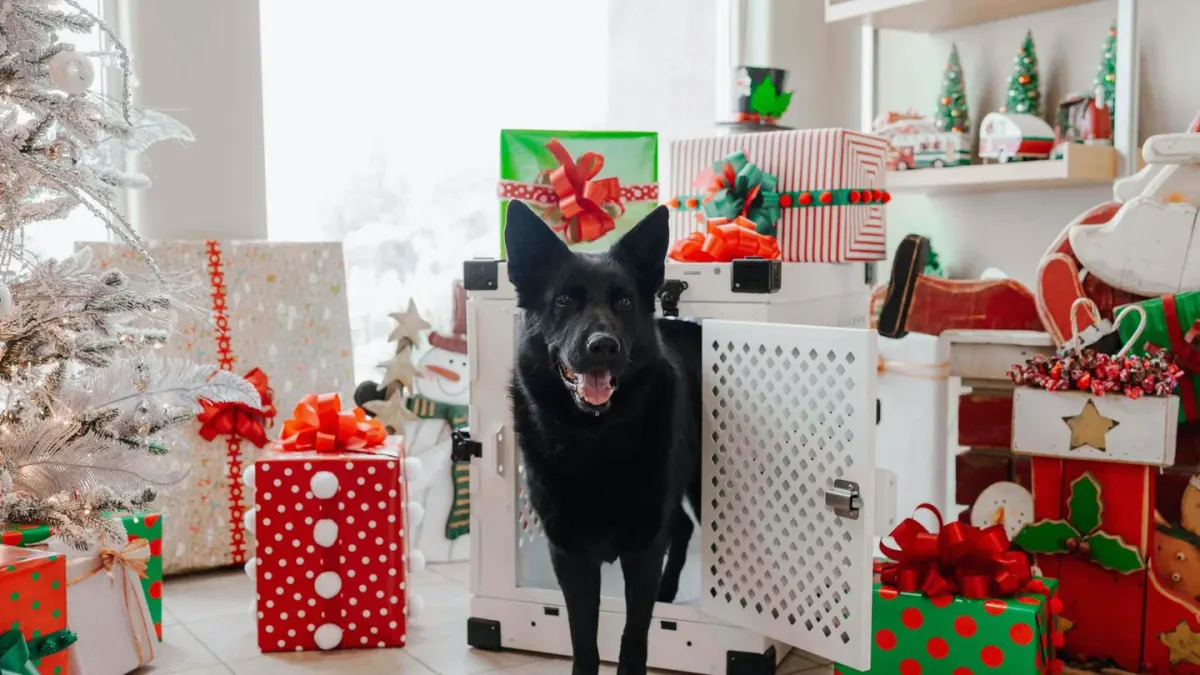
She was that dog in my composite city scenario — a healthy, middle-aged sporting mix, four years old and 52 pounds, booked for three days in a downtown hotel for a family wedding. Her owners packed a fashionable carrier, a new bag of boutique treats, and one collapsible bowl. By day two, the observable change was clear: she drank less on walks, skipped her morning stool, then paced and panted through dinner under a restaurant table. Nothing was medically urgent, but her baseline behavior had shifted. What changed the weekend was not more gear, it was restoring her home routine in a hotel room.
A city day is interval load, not a stroll
City walking looks low-intensity and behaves like intervals. Hard surfaces increase impact forces, curbs and subway stairs concentrate load on shoulders, elbows, and cruciate-supporting muscle, and frequent stops prevent the steady warm-up dogs get on trails. Then comes prolonged standing on pavement and lying on lobby tile while you wait.
I do not prescribe mileage limits here — that decision belongs with your veterinarian or a sports-medicine clinician who knows the dog. I pack to protect tissue tolerance and recovery windows: a familiar padded mat or crate pad for joint cushioning, well-fitted harness and short non-retractable leash for controlled footing, and paw protection for hot pavement, salt residue, and glass. The AVMA frames travel restraint, identification, and acclimation the same preventive way, with emphasis on secure carriers and planning ahead for stress.
Pack a crate or a hotel-safe confinement setup if your dog already uses one. A dog resting in a travel crate is not being punished.
Keep the gut clock on home time
Gut upset ruins more city breaks than sore feet. New water, delayed meals, rich restaurant scraps, and street food create the classic fueling error I see in active dogs.
Physiology first: the canine colon depends on predictable meal timing, fiber, and hydration to maintain stool consistency. Travel disrupts motility through stress hormones, altered feeding intervals, and dietary change. That is why prevention is mechanical. Pack pre-portioned home food plus one extra day, familiar low-fat training treats, a water bottle and two bowls, and any regular fiber or probiotic support your veterinarian already approved. Do not introduce a novel diet or supplement on the trip.
Safe handling matters in a hotel mini-fridge. The FDA advises storing pet food separately, refrigerating opened wet food promptly, and washing bowls and hands to limit bacterial contamination. I also keep owners away from sidewalk handouts and late-night table scraps. Rich, fatty foods may help support a very bad night, to put it mildly, and realistic timelines matter: one off meal can mean 24 to 48 hours of soft stool.
The second scenario is the tradeoff I warn against. A couple with a 9-month-old, 18-pound terrier mix tried to travel ultralight for a two-night downtown stay: hotel kibble from a lobby shop, one shared water bottle, no bed, no crate. By three weeks in — no, by night two — the puppy was wired, mouthy, and sleepless, chewing the bedspread at 1 a.m. while the owners took turns in the hallway. The observable marker was not disobedience. The 18-pound puppy had no settle cue without his mat, no chew outlet, and three novel proteins in 36 hours. They bought a blanket, a stuffed Kong, and pumpkin at midnight, and the next morning finally got a normal stool and a two-hour nap. Packing light had cost them sleep.
That leads to the practical list I actually send home. Food and water kit, medications in original labels plus a written schedule, vaccination and hotel records, ID tags and a recent photo, leash, harness, and seat restraint, crate or barrier plus familiar bedding, mat for restaurant settles, waste bags and enzymatic wipes, paw balm and towel, light and reflective gear, chew or enrichment for confinement, and a basic first-aid pouch. If you fly in for the city break, read How to Fly With a Dog: The Complete Guide before you choose cabin or cargo, because crate size and paperwork change the whole packing plan.
Plan rest the way you plan dinner reservations
Recovery is where city trips succeed or fail. Dogs need decompression between high-arousal blocks: elevator banks, crowds, traffic noise, and dogs behind every cafe fence.
I ask owners to schedule one true rest window midday in a quiet room, with water, bedding, and no visitors. Keep evenings boring after a long day. Low-stress handling in tight spaces — slow elevator entries, body blocking rather than leash pops, a mat cue instead of a forced down-stay — may help support calmer behavior across the weekend. Size changes the logistics, and Traveling With a Small Dog vs a Large Dog: What Actually Changes explains why restraint, carrying, and recovery space split along weight lines.
The CDC adds the public-health layer owners forget downtown: keep dogs leashed, prevent contact with unfamiliar animals and wildlife, manage waste promptly, and confirm lodging and transit rules before arrival. For food decisions on the road, Are Table Scraps Actually Bad for Dogs? and Are Onions Toxic to Dogs? Yes — Here’s What’s Actually Happening in the Bloodstream are worth a skim before anyone slips your dog a plate.
The edge case that changes my advice involves the older city visitor. A 12-year-old, 68-pound retriever came up in discussion before a four-day museum-and-family trip, with early hind-end stiffness at home and a history of slipping on hardwood. Three days before departure the owner worried about stairs in a third-floor walk-up rental. We did not change exercise or add products by phone. We changed the environment list: ground-floor request, non-slip booties and a runner rug in a compression sack, a raised cot for warm-up-free mornings, bottled water to match home taste, and a shorter outing radius with planned returns. By day 10 after return, the owner reported the dog had settled back to baseline within two days rather than a week, which matched the goal we set. Age and surface, not mileage, drove that packing list.
Your next practical step is a 15-minute test pack at home: set up the crate, mat, bowls, and walking kit in one room and run a full evening on hotel rules.
Frequently asked questions
How much extra dog food should I pack for a city break?
Pack your home diet pre-portioned for each day plus one full extra day, with familiar treats only. That buffer covers delays without forcing a sudden diet change that can upset digestion.
Does my dog need a crate in a pet-friendly hotel?
If your dog already rests in one, yes. A familiar crate or confinement setup protects bedding, supports quiet rest between outings, and gives staff a safe boundary if they enter the room.