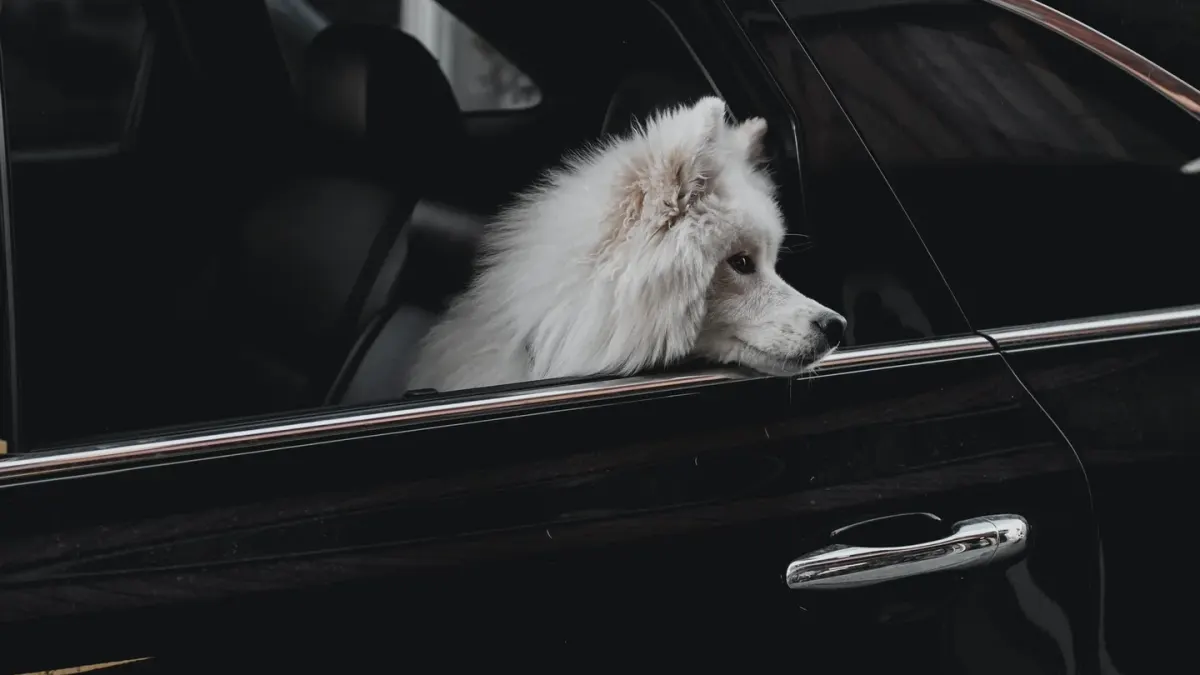
You expect a quick wee on the grass and back on the road, and instead your dog locks up at the end of the lead, nose high, scanning lorries and trolleys and slamming doors. I see this pattern often around travel, and my expectation first is simple: a dog that does not feel safe will not toilet. Holding it is normal under stress. Your job at the stop is to lower the load enough that the body can do what it already needs to do.
She was a four-year-old Labrador, 68 pounds, traveling home after a weekend with family. Her owner pulled into a busy service area at hour three, clipped the lead, and walked straight to the designated dog strip beside the lorry park. The Lab planted her feet, panted hard, refused treats, and stared at traffic for twelve minutes without sniffing the ground once. By day two of that same trip pattern, the owner told me she was also skipping water and whining back in the footwell. The choice we weighed was not discipline or a longer walk. It was whether to keep pushing in the loudest corner or reset the whole stop around distance, shade, and ten quiet minutes.
Read the freeze before you fix it
Think like recovery science for a minute. Load went up fast: vibration for hours, then sudden noise, diesel smell, strange dogs, concrete underfoot. Tissue tolerance is not the issue here, but behavioral tolerance is. Stress hormones and vigilance suppress the parasympathetic state that supports digestion and elimination. The American Veterinary Medical Association frames travel stress the same way I counsel it in the room — plan for confinement, ventilation, hydration, and frequent stops, because baseline needs do not pause on a travel day.
Watch for the early signs. Pacing on lead, yawning, lip licking, tucked tail, scanning instead of sniffing, and taking a treat hard or refusing it altogether. Those tell you arousal is too high for toileting. Give safety first, not cues.
Quiet helps more than pressure.
Work the stop as a sequence: park, decompress, offer
Do not march straight to the dog toilet area if it sits beside bins, idling engines, or fences with barking dogs. Park farther out. Keep your voice low and your lead loose. Let your dog stand beside the car for two to three minutes and just watch the world slow down.
Then move in a wide arc away from traffic, not through it. Walk slowly, let the nose lead, and pause often. Sniffing is the settlement behavior you want. One long sniff does more than three repeated “go potty” cues shouted over lorries. When you find a quieter grass edge, stop walking. Stand still, breathe, and give your dog a six-foot radius to circle. Most dogs need that pause to shift from travel mode to toilet mode.
If nothing happens in eight to ten minutes, do not escalate. Return to the car, offer water, allow a short rest in shade with the doors open for airflow, then try once more on the opposite, quieter side of the site. That reset often works better than dragging the stop longer.
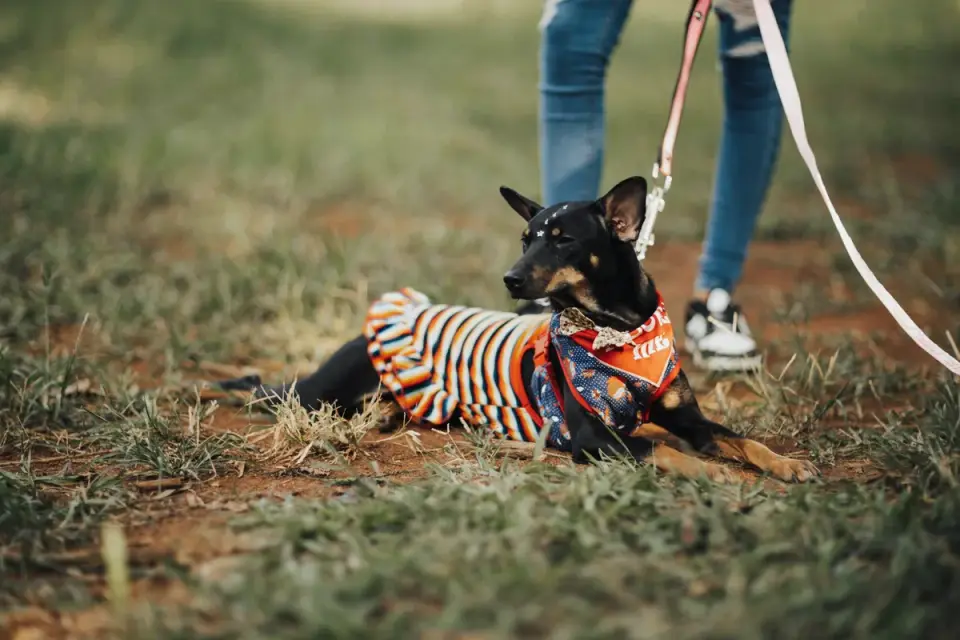
He learned this the hard way with a two-year-old cockapoo, 24 pounds, on a night run down the M1. At the first stop he tugged the little dog toward the floodlit pet area, repeated the toilet cue louder, then tried a different patch and then a third, all within fifteen minutes. The cockapoo got brighter and bouncier with every move — jumping, mouthing the lead, fake-squatting and popping straight back up. Three weeks in of repeating that rushed pattern on work trips, the dog started drooling and trembling before the owner even opened the car door. What failed was not the dog. It was stacking new stimuli without a decompression window, which kept arousal too high for the bladder to let go.
The Cornell University College of Veterinary Medicine describes that fear and anxiety response as a whole-body change, not disobedience, and that matches what I see at service areas. For handling that keeps pressure low, I like the approach taught by Fear Free Pets — slow movement, choice, and gentle control over the environment may help support calmer behavior.
Plan for the dog that still says no
Some dogs will not go at a motorway stop no matter how well you set it up, especially puppies, newly adopted dogs, and noise-sensitive adults. That is information, not failure. Keep the stop short and kind, then protect the next window.
Carry your home scent with you. A used blanket, a familiar long line instead of a short traffic lead, and a small amount of bedding material from home can make strange grass read safer. Offer water every stop, even if your dog only takes a sip. Keep feeding times steady so the gut stays on schedule, and keep the car cool and shaded while you wait outside together.
Know your edge case too. An eight-year-old greyhound, 71 pounds, will often refuse to crouch on wet gravel or near flapping bins because joint stiffness and footing matter as much as noise. By day 10 on joint-support routines owners sometimes notice easier postures at home, but at a service area the fix is immediate and practical: find level grass, keep the lead slack so the neck and shoulders stay free, and let the older dog take twice as long to circle. If straining, crying, repeated unproductive squats, blood, vomiting, or marked lethargy show up, skip the training logic and call your veterinarian promptly.
That links to the wider travel picture I walk through in How to Fly With a Dog: The Complete Guide and Traveling With a Small Dog vs a Large Dog: What Actually Changes. Size changes restraint, footing, and how far you should walk from traffic to find quiet.
You will make better time by slowing this one stop down. Give distance, stillness, and a second quiet try, and most bladders catch up once the nervous system does.
Frequently asked questions
How long should I wait for my dog to toilet at a motorway stop?
Give one calm 8- to 10-minute try on quiet grass, then rest by the car and try once more. If your dog is still scanning, panting, or refusing treats, drive to the next quieter stop rather than extending pressure.
Should I keep repeating the toilet cue?
Say it once softly when your dog starts to circle or sniff, then stay quiet. Repeated loud cues tend to raise arousal and interrupt the sniff-and-circle sequence that comes before elimination.
When is holding it at a stop a vet concern?
An occasional skipped wee on a stressful travel day is common. Call your veterinarian promptly for straining without urine, crying to toilet, blood in urine or stool, vomiting, a painful belly, or marked lethargy.
Sources
- Traveling with Your Pet — American Veterinary Medical Association
- Low-Stress Handling Resources — Fear Free Pets