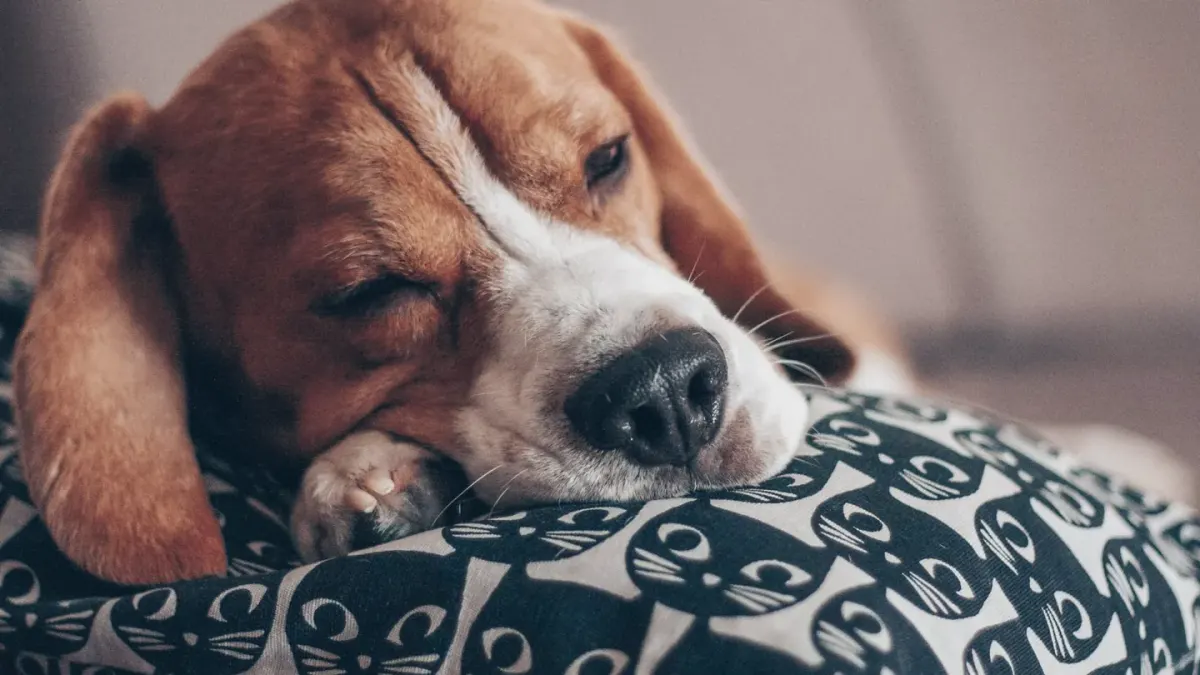
You pull into the rental at 9 p.m., set down the same bowl from home, pour the same kibble, and your dog sniffs once and walks to the door. At home she eats in ninety seconds flat. On the road she will not take a single bite, and you are already doing the math on missed meals and tomorrow’s hike.
I counsel owners to read that refusal as information, not defiance. Travel stacks novelty, motion, broken routine, and social pressure into one long arousal curve, and the gut sits right in the middle of it. When sympathetic tone stays high, gastric motility slows and nausea rises. Appetite is your recovery readout. My position is simple: prioritize a predictable, low-stress feeding routine over coaxing, toppers, or new foods, because calm digestion may help support normal intake better than any trick. The strongest counterargument is to just wait her out — healthy dogs can skip meals — but I still land on active settling, because prolonged under-fueling narrows your recovery window and masks illness.
Three summers ago a family brought in a four-year-old, 52-pound Border Collie mix two days before a week-long cabin trip. She was a classic high-drive athlete, lean, noise-sensitive, and famous at home for inhaling dinner. Away, she paced, panted, scanned windows, and left food untouched for almost 36 hours. The owners worried about spoiling her, so they had tried hand-feeding rotisserie chicken, then a gas-station burger, then nothing. By day 3 back home her intake normalized, but her stool stayed soft for another four days. What changed the next trip was not the recipe. It was the setup, the timing, and the exit plan for when to call.
Recreate the home baseline before you offer food
Dogs eat when the context feels safe enough to drop vigilance. Keep the variables boring: same bowl, same food, same cue, same quiet corner. Feed on the floor or a non-slip mat, facing away from foot traffic, leash off if safe, lights low. Offer for 15 to 20 minutes, then calmly pick it up without commentary. No grazing bowl all day, no parade of toppers.
That structure matters because novelty alone can suppress intake for 12 to 24 hours in sensitive dogs, and constant offering keeps arousal up. A short, predictable window teaches the nervous system that meals are low-stakes. The American Kennel Club notes that familiar routines and calm settling exercises can reduce travel anxiety, which is the same mechanism we are using at the bowl.
For the drive itself, plan feeding around motion. Many dogs do better with a small meal three to four hours before departure and the main meal after arrival and a decompression walk, rather than a full breakfast at a rest stop. The U.S. Food and Drug Administration reminds travelers to pack familiar food and water and to plan for rest and feeding breaks, and I would add: keep water from home or a consistent bottled source when your dog is taste-sensitive.
They tried everything at the trailhead parking lot, and it backfired. A couple with a two-year-old, 68-pound Labrador Retriever told me they offered kibble, then wet food, then cheese sticks, then shared jerky across a six-hour drive day, hoping volume would win. By hour eight he drooled, lip-licked, turned away from water, and vomited once after a winding descent. They felt guilty and kept offering. What we changed was subtraction, not addition. Same kibble, warm water to release aroma, a towel over the crate for visual buffer, a 20-minute sniff walk before the bowl, then quiet. He ate half his portion by 10 p.m. that night, about 14 hours after his last full meal, and finished breakfast the next morning.
Work arrival as a sequence: decompress, drink, then eat
Think of arrival like a cooldown. Walk first, bowl second.
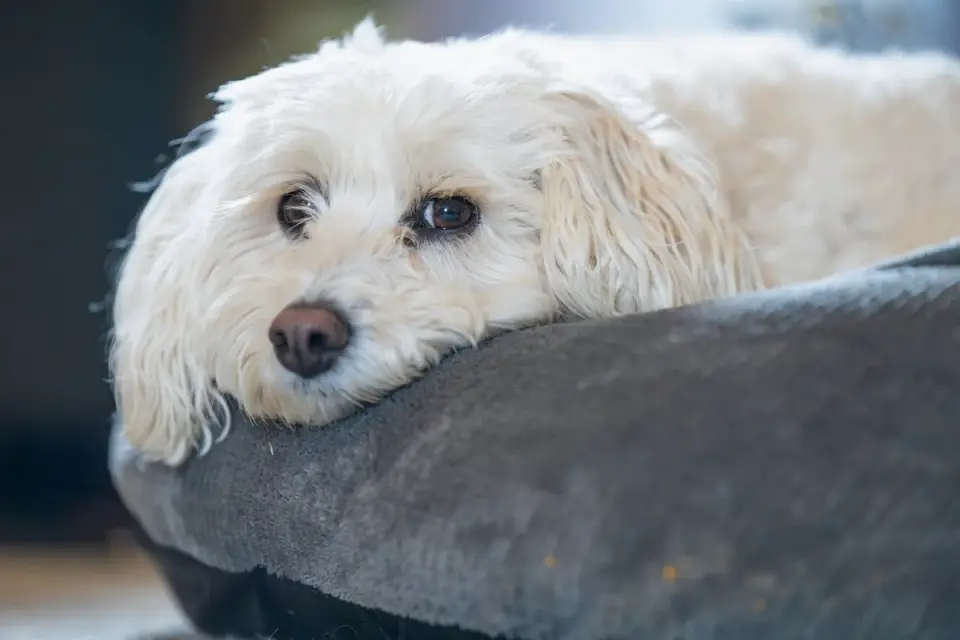
Let the dog sniff, urinate, and scan the new space on leash for 10 to 15 minutes. Offer water, then give 30 to 60 minutes of quiet crate or mat time before food. Warm the food slightly with warm water if your vet approves it for that diet — aroma drives interest without changing the diet. If she eats half, that is a win. Do not immediately add toppers to chase the other half.
This is also where load management applies to the gut. Travel is load. Poor sleep, heat, altitude, long hikes on day one, and excitement all draw from the same recovery budget. Keep day-one exercise easy and keep treats to under 10% of daily calories so the main diet stays familiar.
Size changes the logistics, and our guide to Traveling With a Small Dog vs a Large Dog: What Actually Changes walks through crate, restraint, and rest differences that directly affect settling. Small dogs chill faster and dehydrate faster. Large, deep-chested athletes need more decompression space and slower post-exercise feeding.
Settle the space like you mean it.
Know the edge case: quiet shutdown versus active stress
Not every dog paces. One owner described a five-year-old, 18-pound Cavalier mix who curled in the back of the rental on day two of a beach trip, refused food for two full mornings, and did not beg, bark, or explore. No vomiting, no diarrhea, just flat affect and tucked posture. They assumed she was finally relaxing. On video she showed whale eye, yawning, and avoidance when the grandkids approached the mat. We moved her bed to a closed bedroom, added white noise, gated kid traffic, and fed in that room alone. She ate three-quarters of dinner within 40 minutes, by 6 p.m. on day three, then slept nine hours. The lesson I keep repeating: withdrawal is also stress behavior, and crowding a shut-down dog with comfort can raise pressure.
If you are flying rather than driving, read How to Fly With a Dog: The Complete Guide before you book, because cargo versus cabin, temperature embargoes, and crate acclimation shape appetite for a full day on either side.
Most healthy adult dogs can miss a meal or two without crisis, but call your veterinarian promptly for puppies under six months, seniors, diabetic dogs, dogs on daily medication that must be given with food, vomiting or diarrhea, lethargy, pale gums, abdominal pain, or no intake beyond 24 hours — sooner if water intake also drops. The VCA Animal Hospitals travel guidance emphasizes pre-trip veterinary planning and watching for signs of illness on the road, and appetite is one of the earliest signals to report.
Keep it preventive. Same food, same bowl, short windows, quiet recovery space, realistic timelines of one to two days to normalize. That baseline may help support normal digestive function while you sort out whether this is stress, motion, or something medical.
Frequently asked questions
How long can a healthy dog go without eating on a trip?
Many healthy adults may skip 24 hours when stressed yet drink water and stay bright, but contact your vet if fasting passes 24 hours, water intake drops, or you see vomiting, diarrhea, lethargy, or pain. Puppies, seniors, and dogs needing food with medication need earlier care.
Should I add toppers or switch foods to get my dog to eat away from home?
Keep the base diet the same and use aroma — warm water mixed in — and a quiet setup first. Frequent new toppers can upset the gut and teach food refusal. If your vet approves a single familiar topper, use a small amount for one or two meals only.
Does motion sickness cause travel appetite loss?
It can. Drooling, lip-licking, yawning, restlessness, and vomiting around drives point toward nausea. Feed a small meal several hours before travel, ensure ventilation and breaks, and ask your vet before the trip about motion-sickness planning.
Sources
- Traveling With Your Pet — VCA Animal Hospitals