On this page
Sheila knew Leeloo was off when her 5-year-old spayed Cavalier King Charles Spaniel turned away from breakfast in Bakersfield, vomited twice before noon, and folded into a prayer-bow posture on the rug for more than six hours.
Vets often see that same sequence after a rich weekend, and the question that follows is always urgent: what foods calm down pancreatitis?
The Loadline verdict is blunt. Nothing you spoon into the bowl cools inflammation on contact. Recovery comes from unloading the tissue, feeding a consistent low-fat plan your veterinarian approves, and cutting the high-fat table scraps that most often trigger a flare.
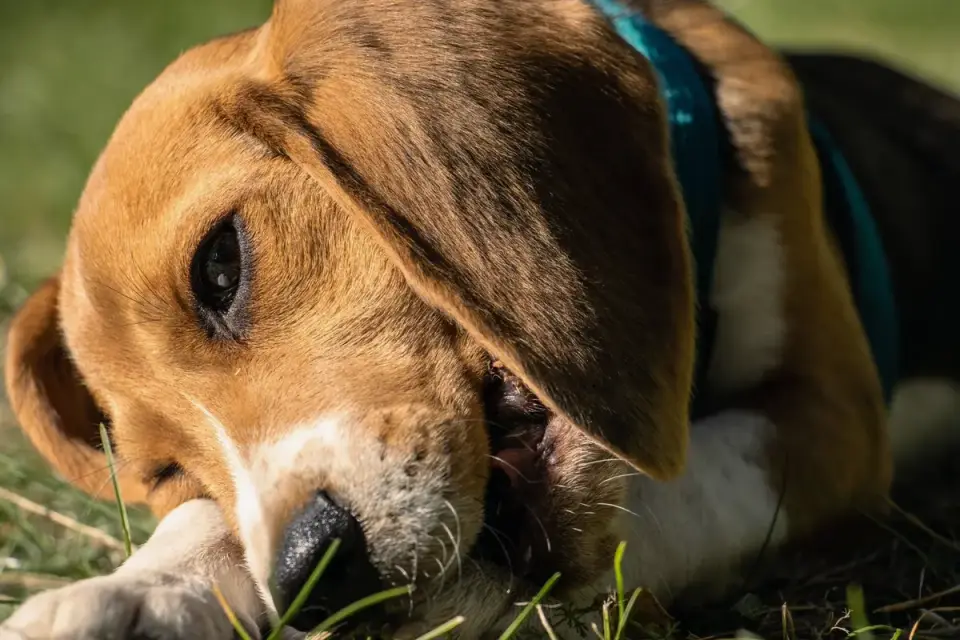
Calm means unload, not add
Think like a sports-medicine desk. Pancreatitis is an overload injury of a digestive organ, not a fuel shortage. The pancreas releases enzymes meant to activate in the intestine. When they activate early, the organ essentially digests itself and surrounding tissue tolerance drops to near zero.
That is why fasting, fluids, anti-nausea care, and staged refeeding happen at the clinic first. Food re-enters only when vomiting settles and pain eases, usually as small, frequent, low-fat meals. The Merck Veterinary Manual describes this pattern of supportive care and dietary fat restriction as central to managing acute cases in dogs.
No broth, herb, or topper reverses that enzyme cascade.
What a pancreas-friendly bowl actually looks like
Once your veterinarian clears eating, consistency beats novelty. Most recovery diets share three traits: markedly reduced fat, highly digestible protein and carbohydrate, and zero variation from day to day.
In practice that often means a veterinary therapeutic low-fat diet, or a short-term home-cooked equivalent formulated with your veterinarian, such as boiled skinless chicken breast or low-fat cottage cheese paired with white rice or potato, fed in three to four small meals. Plain canned pumpkin in teaspoon amounts may help support normal stool form because pumpkin fiber is a gentle, natural source of both soluble and insoluble fiber, but it does not treat pancreatitis.
Keep portions weighed, not scooped.
Transition slowly over five to seven days once stools firm up. For dogs that cycle through elimination trials, the same load-and-recovery logic in Reintroducing Foods After an Elimination Diet: The Load-and-Recovery Way to Do It applies here: one change at a time, with a written log.
The trigger to remove first
Fatty table scraps remain the most common preventable trigger.
Bacon grease, turkey skin, pork trimmings, sausage, buttered potatoes, cheese-heavy leftovers, and fried foods all deliver a sudden fat load the inflamed organ cannot handle. The VCA Hospitals client resource on pancreatitis in dogs notes that high-fat meals are a recognized risk factor and that dogs with a prior episode need strict avoidance of rich foods.
That point is worth lingering on for active-dog households, where training treats and tailgate sharing add up. The fuller breakdown in Are Table Scraps Actually Bad for Dogs? explains why even small extras change total fat load. If you use toppers during recovery, keep them plain and counted, as outlined in Healthy Food Toppers for Dogs: What Actually Belongs on the Bowl.
When in doubt, skip the share.
Where gut support fits, and where it does not
A balanced gut microbiome supports overall immune function, and steady fiber plus hydration help the lower gut keep moving while the upper gut rests. That is background conditioning, not treatment.
From a TCVM food-therapy view, I still think in terms of how a modality is thought to work. Warm, bland, easy-to-transform foods may help support comfort during refeeding because they demand less digestive effort. From a neurology view, I want imaging, lipase, pain scores, and intake logs before any botanical talk. Both lenses land in the same place: food sets the workload, medicine handles the inflammation.
Do not reach for apple cider vinegar, high-dose fish oil, bone marrow, or digestive enzyme powders to calm a flare at home. Fat-based extras raise load. Acidic home remedies can irritate a nauseated stomach.
How to feed through the recovery window
Ask your veterinarian for a target fat level, often expressed as percent dry matter, and a recheck date. Then protect the window.
Feed at the same times daily. Measure water intake. Log vomiting, appetite on a one to five scale, stool character, and abdominal comfort. Stop all chews, rawhides, and high-fat dental treats until cleared. If vomiting returns, blood appears, or pain worsens, pause new foods and call the clinic rather than trying another bland ingredient.
For Toddy, the 6-year-old intact Beagle-Harrier from Berkeley, owner Alicia learned this after a second flare followed three days of mixed leftovers. The fix was not a new protein. It was one therapeutic diet, weighed meals, and no extras for 14 days.
Boring wins here.
Frequently asked questions
What should I feed a dog recovering from pancreatitis?
Feed only what your veterinarian approves, usually a low-fat therapeutic diet in small frequent meals, with no scraps or high-fat treats until cleared.
Are eggs or chicken good for pancreatitis in dogs?
Plain boiled skinless chicken breast is often used short-term because it is lean, but whole eggs and skin-on meat carry more fat and should only be used if your veterinarian includes them.
What foods should dogs with pancreatitis avoid?
Avoid bacon, sausage, turkey skin, grease, butter, fried foods, rich cheese, and any sudden high-fat meal or treat.
Sources
- Pancreatitis in Dogs — VCA Hospitals