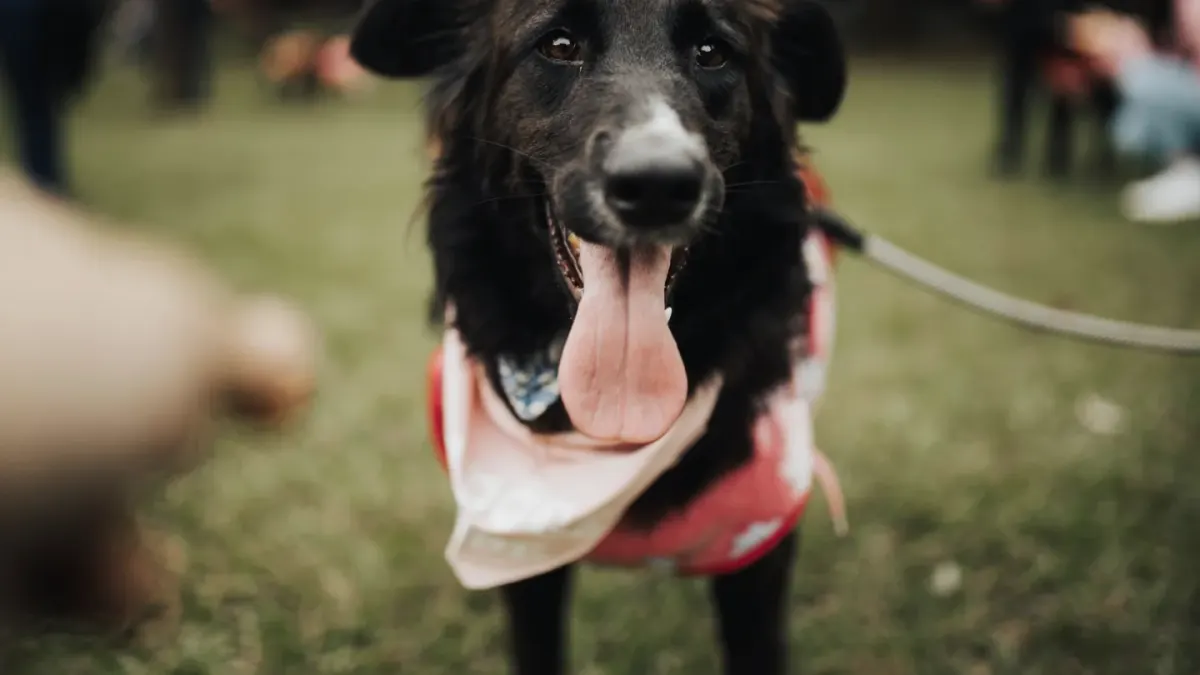
Samantha tops off the water jug in Denton after a morning walk with Ferris, her 5-year-old neutered male Bichon Frise, and counts out six blueberries from her own breakfast bowl as a reward for a calm settle.
The short answer is no. For most dogs blueberries are not bad, and for an active dog they work well as a low-calorie, high-moisture training bite when they stay inside the daily treat budget.
Check the quick screen first:
- Treat budget intact: all extras, including fruit, stay near 10% of daily calories
- Serving fits the frame: a teaspoon for a small dog like Ferris, a tablespoon for a 50-pound athlete
- Gut is settled: no loose stool, no recent dietary indiscretion, no new vomiting or diarrhea
- Form is plain: fresh or thawed plain berries only, washed, no muffins, syrup, or xylitol-sweetened mixes
- Load is normal: regular training day, not GI recovery or a weight-cut week
If any box fails, skip the share that day.

Why the load math favors a berry over a biscuit
A working dog lives on load, tissue tolerance, and recovery windows. Extra calories are extra load. A five-berry reward behaves differently than a 60-calorie biscuit.
That mechanism matters more than any antioxidant headline. How a food is thought to work here is simple fueling. Small, water-rich bites add chewing satisfaction and a little soluble fiber without pushing blood sugar or daily energy the way starch-heavy treats do. They may help support a steady training diet, not cure or protect joints.
In practice, vets often see the opposite problem. Owners feed “healthy” extras free-choice and wonder why conditioning stalls by three pounds over eight weeks. Count them.
How many hold up on a training day
Think in pieces, not cups. One medium blueberry runs under one calorie.
- Toy and small breeds: 3–6 berries
- Medium sporting dogs: 6–10 berries
- Large, high-drive athletes: a small scattered handful, around 10–15 berries
Wash them. Serve fresh or thawed. For gulpers or tiny teeth, halve or lightly mash to lower choking risk. Freeze a few on a lick mat for a slower cooldown reward.
This is also where related produce rules help. The same wash-and-plain-prep logic behind Can Dogs Eat Apples? A Sports-Medicine Look at Fiber, Sugar, and Prep and Can Dogs Eat Blueberries? What They Actually Add to an Active Dog’s Bowl applies here. Plain form and small dose decide safety.
When the gut votes no
Blueberries bring fiber and fructose. Too many at once can loosen stool, especially in a dog already adjusting to travel, trial stress, or a new kibble. That does not make the berry toxic. It means tissue tolerance was exceeded.
American Kennel Club lists blueberries among fruits generally considered safe for dogs when fed plain and in moderation, while flagging truly risky foods like grapes, raisins, onions, and avocado pits. The contrast is useful. Blueberries ask for portion control. Grapes and onions demand avoidance.
Pause berries and call your veterinarian if you see repeated vomiting, bloody stool, belly pain, lethargy, or refusal to drink. Diabetic dogs, dogs with chronic GI disease, and dogs on strict elimination trials should get a vet check before any fruit becomes routine.
One short rule holds.
Count first, share second.
Frequently asked questions
Are blueberries bad for dogs with sensitive stomachs?
They are not toxic, but fiber and sugar can loosen stool. Start with 2–3 halved berries and stop if stool softens.
Can puppies have blueberries?
Yes, in tiny amounts once they eat solid food regularly. Use 1–2 halved berries as a training reward and keep treats near 10% of calories.
Are frozen blueberries safe for dogs?
Plain frozen blueberries without added sugar are fine thawed slightly. Halve them for small dogs and fast eaters to reduce choking risk.
Sources
- Fruits and Vegetables Dogs Can and Can't Eat — American Kennel Club