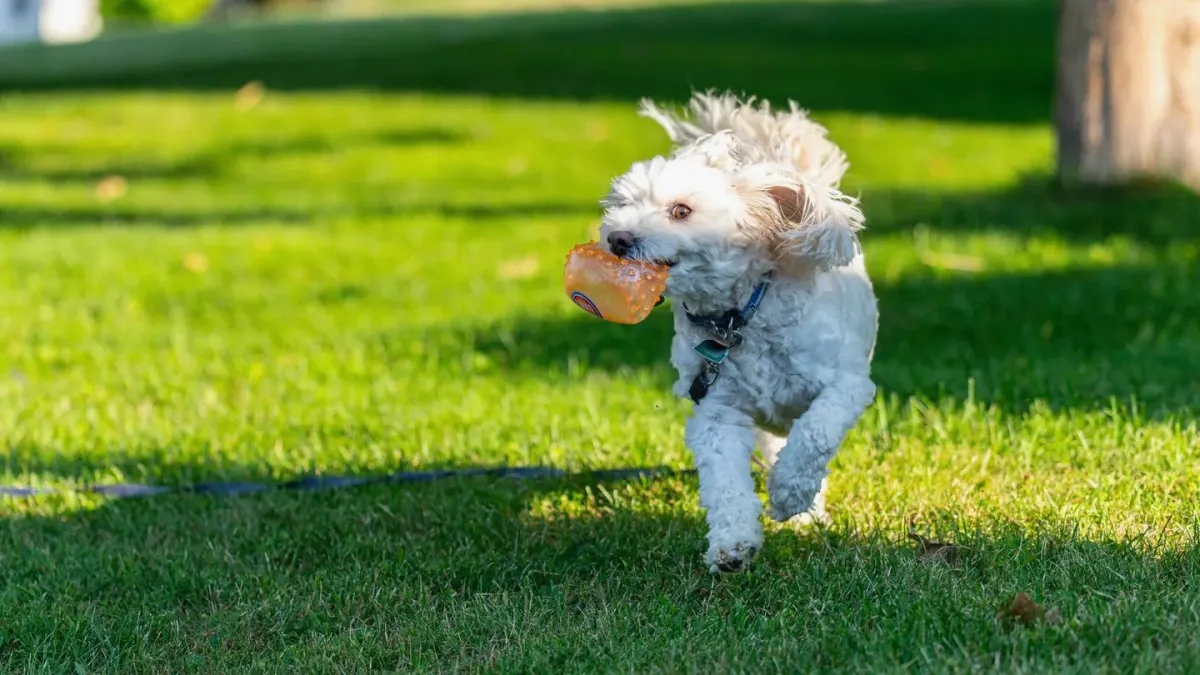
Jerry was rinsing a lunch bowl in Tulsa when Payton, his 4-year-old spayed Toy Poodle mix, snatched a dropped quarter of avocado off the tile and swallowed it skin and all in under ten seconds. No choking, no drama, just a worried owner watching a 9-pound dog for the next six hours.
That scene captures the real question behind is avocado bad for dogs. For most dogs, a lick of ripe flesh is not a poisoning emergency. The load that matters is fat plus foreign material, and that load lands harder on a small dog or a hard-training athlete whose gut needs to recover by morning.
The short answer for a dog that trains hard is this: keep avocado out of the fuel plan.

When a training gut meets avocado fat
Loadline thinking starts with tissue tolerance. Avocado flesh runs about 15% fat by weight, mostly monounsaturated, with fiber and potassium alongside it. A taste does little. A half-avocado delivers a dense fat bolus that can delay gastric emptying, trigger vomiting and soft stool, and, in a susceptible dog, help push the pancreas toward inflammation.
The ASPCA lists avocado as a plant with persin that is principally a concern for birds, rabbits, horses, and ruminants, while noting gastrointestinal signs remain possible in other species when larger amounts are eaten. That distinction matters. Dogs mostly shrug off persin at kitchen exposures.
Fat is the more predictable mechanism.
Vets often see the pattern after rich table foods: quiet for two to four hours, then restlessness, lip licking, vomiting, or a hunched posture. Pet Poison Helpline describes a similar dose story for avocado in dogs, with mild stomach upset from flesh and a higher concern for obstruction if the pit is swallowed. Guacamole adds onion, garlic, salt, and lime, each its own load.
Pancreatitis stays on the differential because it is painful and costly in recovery time. The Merck Veterinary Manual describes pancreatitis in small animals as inflammation tied to inappropriate activation of pancreatic enzymes, often presenting with vomiting, anorexia, and abdominal pain after dietary indiscretion.
That is why the working-dog verdict stays conservative.
Persin, pit, and peel in plain order
Persin is a fungicidal toxin concentrated in avocado leaves, bark, skin, and pit, with much lower levels in ripe Hass flesh. The neurology lens helps here: mechanism matters more than fear. There is no well-documented persin neurotoxicity syndrome in dogs at food exposures, unlike the cardiac and mammary injury reported in susceptible livestock and birds.
Peel and leaves irritate and taste bitter, so most dogs stop there.
The pit is a mechanical problem, not a chemical one. A Toy Poodle-sized airway and jejunum can be blocked by an object far smaller than a Hass pit, while even a 60-pound pointer can lodge a pit at the pylorus. Obstruction signs include repeated vomiting, no stool, drooling, and a painful belly.
One swallowed pit warrants a same-day call.
What to do after a steal
Skip home induction of vomiting unless your veterinarian directs it. Pits can injure on the way back up.
For a small taste of plain flesh in a healthy adult dog, withhold rich treats for 24 hours, feed the normal balanced diet on schedule, offer water, and watch stool and energy. For larger amounts, fatty guacamole, repeated vomiting, bloody diarrhea, severe lethargy, abdominal swelling, or any pit swallow, call your veterinarian or emergency clinic promptly with the dog’s weight, amount eaten, and time since ingestion.
Owners of sporting dogs can protect the next recovery window by treating avocado like table scraps, a topic covered in Are Table Scraps Actually Bad for Dogs? and in more detail in Can Dogs Eat Avocado Safely? What the Fat, the Persin, and the Pit Actually Mean. Low-fat training rewards built on fiber and water, such as the apple prep in Can Dogs Eat Apples? A Sports-Medicine Look at Fiber, Sugar, and Prep, keep fueling without the fat load.
Payton passed soft stool that evening and was bright by morning, which is the common course after a small exposure. The lesson held: the flesh did not poison her, but the fat and peel still taxed her gut.
Leave avocado for people toast.
Frequently asked questions
Is a tiny lick of avocado bad for dogs?
Usually not. A small taste of ripe plain flesh often causes no signs, but watch for vomiting or soft stool for 24 hours and avoid repeating it.
What is the most dangerous part of an avocado for a dog?
The pit, because it can choke or obstruct the intestines. Large fatty servings are next, because they can trigger prolonged vomiting or pancreatitis.
Should I induce vomiting if my dog ate the pit?
No, not on your own. Call your veterinarian with your dog's weight and timing; a pit may need imaging or endoscopy rather than home vomiting.
Sources
- Toxic and Non-Toxic Plants: Avocado — ASPCA
- Avocado Poisoning in Dogs — Pet Poison Helpline