
On this page
A loose grape rolls under the picnic table at a trial, and a nose gets there before a hand does. That is how most exposures happen — fast, casual, and easy to dismiss if the dog looks fine an hour later.
Yes — grapes, raisins, currants, and sultanas should be treated as poisonous to every dog. No safe threshold has been established, sensitivity varies widely between individuals, and a small ingestion has preceded acute kidney injury in some dogs while larger ingestions have caused no signs in others. For an active dog, that unpredictability is the point. You cannot dose around it with body weight or workload.
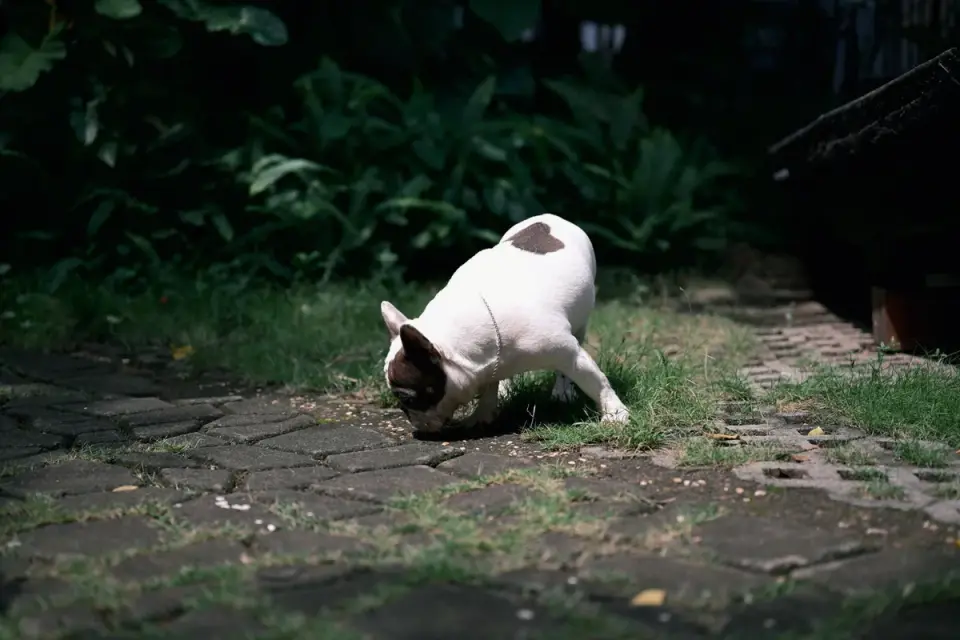
The field call: all grapes are a no-go
Vets often see the same pattern after a kitchen counter or lunchbox raid. Vomiting within a few hours, then lethargy, loss of appetite, abdominal discomfort, and reduced urination over 24 to 72 hours. In practice, owners sometimes report that the dog vomited once and then seemed normal, which makes waiting tempting.
Waiting is where recovery windows close.
The U.S. Food and Drug Administration advises that grapes and raisins can cause kidney failure in dogs and that affected dogs should be taken to a veterinarian promptly, because early decontamination and fluid support matter more than trying to guess a toxic amount at home. That guidance fits working dogs especially well. Dehydration from travel, heat, and exercise already loads the kidney. Added nephrotoxic load is not a variable to test.
Curtis learned that tension with Jasmin, his 5-year-old spayed Pit Bull Terrier mix in Chicago. She snagged fewer than ten raisins from a dropped granola bar, vomited twice within three hours, then drank water and wagged. The decision was whether a dog who looked recovered after one quiet afternoon still needed an emergency visit. She did.
How the kidney takes the hit
The mechanism is still being clarified, and that uncertainty supports caution rather than reassurance. The current working explanation centers on how compounds in grapes, particularly tartaric acid and related organic acids, are thought to injure renal tubular cells and disrupt filtration. Stay anchored to how a modality is thought to work, not what it might cure — here that means describing injury to transport and filtration rather than promising a detox or kidney cleanse afterward.
What is better established is the clinical course described in veterinary toxicology. The PubMed retrospective evaluation of 43 dogs after grape or raisin ingestion describes vomiting, diarrhea, lethargy, anorexia, abdominal pain, and oliguric to anuric acute kidney injury after grape or raisin ingestion, with laboratory changes including rises in creatinine, BUN, and phosphorus. In mechanism terms, once tubular flow falls and waste products accumulate, tissue tolerance drops quickly. Fluid therapy is intended to support perfusion and urine output during that window. It does not reverse dead tubular tissue.
That is also why dose charts mislead. Seedless versus seeded, fresh versus dried, grape versus raisin concentrate, individual differences in absorption and excretion — all shift exposure without changing the rule. Raisins are more concentrated by weight than fresh grapes. Grape pressings, juice, and baked goods containing grapes or raisins count as exposures.
What to do in the first hours
Do not try to manage this with extra water, extra mileage to sweat it out, or a wait-and-see fast.
Call a veterinarian, emergency clinic, or poison control immediately and report what was eaten, how much, when, and the dog’s weight. Bring the package or a photo of the ingredient list. If ingestion was very recent, the clinic may induce vomiting or consider activated charcoal and baseline bloodwork. That decision belongs to the clinician with the dog in front of them, not to home protocols.
At the clinic, expect monitoring rather than a single test. Baseline creatinine, BUN, electrolytes, urinalysis, and repeated kidney values over 48 to 72 hours are common when exposure is confirmed or suspected. Dogs that remain asymptomatic with stable labs still needed that observation to prove it.
For context on other kitchen hazards that act through entirely different blood and gut pathways, see Are Onions Toxic to Dogs? Yes — Here’s What’s Actually Happening in the Bloodstream and Can Dogs Eat Mushrooms? The Field Rule for Grocery-Bin vs. Backyard Fungi. For safer training rewards built on fiber and prep rather than risk, see Can Dogs Eat Apples? A Sports-Medicine Look at Fiber, Sugar, and Prep.
Prevention for dogs that eat on the move
Active households carry food everywhere — trail mix, oatmeal cups, lunchboxes, horse treats with raisins. Dogs that run, hunt, pull, or compete practice counter-surfing as a sport.
Keep grapes, raisins, currants, and any mix containing them out of gear bags and low tables. Teach a reliable leave-it and trade, crate or tether during food setup at events, and brief kids and training partners that one tossed grape is not a harmless treat. If you use food rewards in high volume, choose options with known preparation and portion logic rather than table scraps of unknown composition, a distinction explained in Are Table Scraps Actually Bad for Dogs?.
My position is direct. Treat every grape exposure as an emergency visit until a veterinarian tells you otherwise. What would change that view is identification of a clear toxic compound with a validated weight-based threshold and a test that predicts which dog is sensitive. That evidence does not yet exist, so unpredictability remains the safest model.
A short reassurance for the drive to the clinic: prompt action preserves options. Delayed action narrows them.
Frequently asked questions
How many grapes are poisonous to dogs?
No safe number has been established. Some dogs have developed kidney injury after a small amount, while others showed no signs after more. Treat any ingestion of grapes, raisins, currants, or sultanas as an emergency and call a veterinarian immediately.
What are the first signs after a dog eats grapes?
Vomiting, often within hours, followed by lethargy, loss of appetite, abdominal pain, or diarrhea. Reduced urination, excessive thirst, or worsening lethargy over 24 to 72 hours can signal acute kidney injury and needs urgent care.
Are raisins worse than fresh grapes?
Raisins are dried and more concentrated by weight, so a small handful can represent a large amount of fruit. Both forms have been linked to kidney injury. Grape juice, baked goods with raisins, and currants should be treated the same way.