
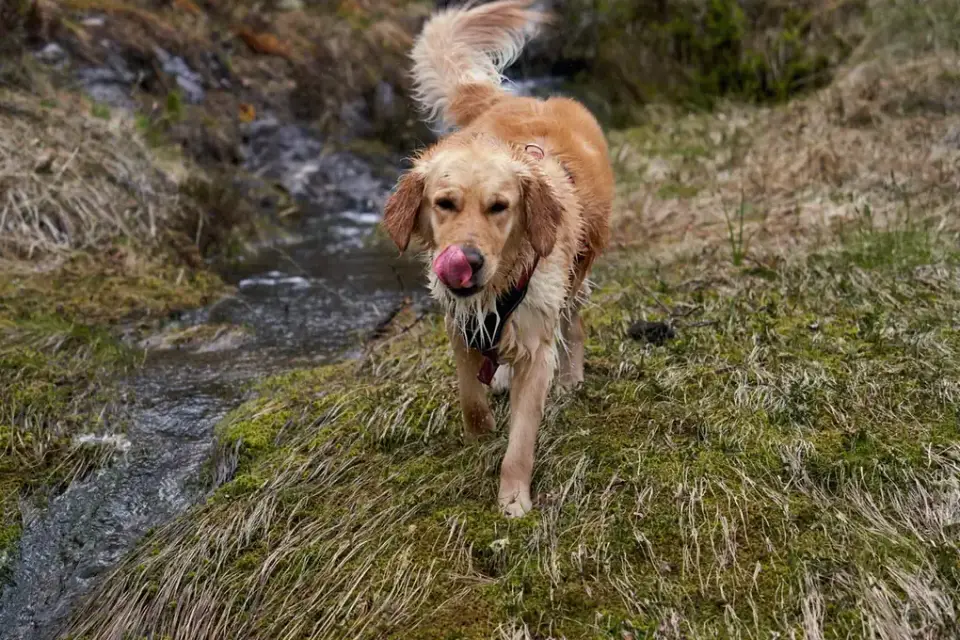
Lauren did not feed Kyo onions on purpose. Her 6-year-old Shetland Sheepdog mix snagged a corner of a burger patty at a cookout in Columbia, Missouri — grilled onions and all. It looked harmless once they were soft and caramelized.
The verdict is plain: no, dogs cannot eat onions cooked. Heat softens texture and sweetens flavor, but it does not disarm the sulfur compounds that injure canine red blood cells.
For a working or sporting dog, that matters because oxygen delivery is performance. A gut upset costs a training day. Damaged red cells cost recovery capacity for days.
The quick check before you share table food
- Did it touch onion in any form? Raw, sauteed, grilled, caramelized, powdered, or broth-soaked all count.
- Was it a seasoned human food? Meatloaf, gravy, stir-fry, pizza, stuffing, and baby food often carry cooked onion you cannot see.
- How big is the dog and how much was eaten? Smaller dogs face higher risk from the same bite. Any onion ingestion deserves a call.
- What is the clock? Signs are often delayed 1-3 days. Do not wait for pale gums to act.
That list is the whole decision. If onion was in the pan, the answer stays no.
Why cooking does not fix the problem
Onion toxicity in dogs is not about crunch. Allium species contain organosulfur compounds that the body converts to oxidants. Those oxidants injure hemoglobin and red cell membranes, leading to Heinz-body formation and hemolytic anemia.
That mechanism is described consistently across veterinary toxicology references. The ASPCA lists onion as toxic to dogs, and the Merck Veterinary Manual explains Allium toxicosis as oxidative injury to red blood cells. Boiling, frying, and baking do not break that pathway down enough to make a serving safe.
Powder is the concentrated edge case. Onion powder and soup mix carry more toxic principle per gram than a fresh slice, so a small lick of dip or gravy can matter more than it looks.
The hidden exposures owners most often miss
In practice, direct feeding is rare. Vets often see exposure from shared cooking.
Watch these in particular:
- Burgers, meatballs, and meatloaf mixed with diced onion before grilling
- Gravy, stock, and broth made with onion base
- Stir-fry, fajitas, and roasted sheet-pan meals
- Pizza, focaccia, and savory leftovers scraped into the bowl
- Commercial jerky treats or table snacks seasoned with onion or garlic powder
That is why label reading is part of load management. For an active dog, fuel quality protects the recovery window. Onion in the fuel works against it.
If you want the deeper blood-cell explanation, read Are Onions Toxic to Dogs? Yes — Here’s What’s Actually Happening in the Bloodstream. For other kitchen judgment calls, compare Can Dogs Eat Mushrooms? The Field Rule for Grocery-Bin vs. Backyard Fungi and Can Dogs Eat Apples? A Sports-Medicine Look at Fiber, Sugar, and Prep.
What recovery actually looks like
Early signs are often gastrointestinal: drooling, nausea, vomiting, diarrhea, or going off food. Red-cell signs lag behind — lethargy, pale or yellowish gums, rapid breathing, dark urine, and a dog that tires fast on work it normally handles.
There is no home antidote that reverses oxidative injury once absorbed. Care is decontamination when early enough, bloodwork to track red cells, fluids, oxygen support, and transfusion in severe cases. That is why the VCA Hospitals guidance centers on prompt veterinary evaluation rather than watchful waiting.
Call your veterinarian or poison control right away with the dog’s weight, what was eaten, how much, and when. Save the package or recipe if you can.
One short paragraph to carry to the trailhead. Heat changes flavor. It does not change toxicity.
Safe sharing looks different. Plain cooked lean meat without seasoning, plain pumpkin, blueberries, apple slices without seeds, and water for the cooldown do far more for tissue tolerance and gut steadiness than any scraped plate.
Frequently asked questions
Does fully cooking onions make them safe for dogs?
No. Grilling, boiling, caramelizing, or baking does not remove the compounds that injure red blood cells. Cooked onion should be treated the same as raw.
What if my dog ate a small bite of cooked onion?
Do not guess on dose. Note weight, amount, and timing, then call your veterinarian promptly. Signs of anemia can be delayed by days.
Is onion powder worse than fresh cooked onion?
Per gram, yes. Dried powder is concentrated, so seasoned gravy, soup mix, and flavored snacks can pose risk in smaller amounts.
Sources
- Onion Is Toxic to Dogs — ASPCA
- Allium spp. Toxicosis in Animals — Merck Veterinary Manual
- Onion, Garlic, Chive, and Leek Toxicity in Dogs — VCA Hospitals