On this page
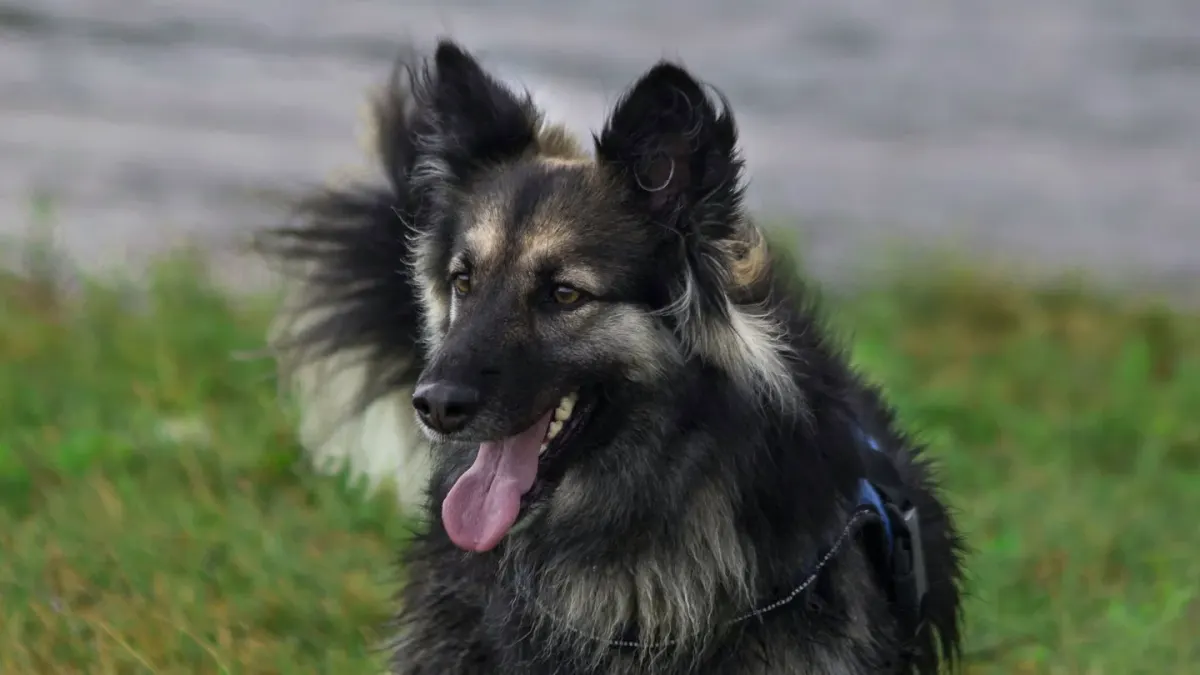
A 5 a.m. training field is empty except for fog, a sleeve tucked under one arm, and a German Shepherd vibrating at the end of the leash before the first send-out.
That picture is the verdict for most German work and sport breeds: excellent partners when drive has direction, difficult roommates when it does not. If you cannot offer structured work, daily aerobic load, and calm recovery time, choose a lower-drive breed.
Checklist: can you carry a German working breed?
- Job: 45-90 minutes of combined training plus aerobic work on most days, not just yard time
- Handler skill: comfort with marker training, impulse control, and clear start-stop cues
- Recovery space: quiet crate or room, predictable sleep, traction-safe flooring for joints
- Load plan: conditioning that builds volume slowly, with rest days after hard sport days
- Health baseline: hip and elbow screening, cardiac and eye screening where the parent club advises, and a preventive-care relationship from puppyhood
- Tolerance for management: mouthiness, guarding instincts, noise, and coat care during heavy training seasons
Work first, looks second in German breeds
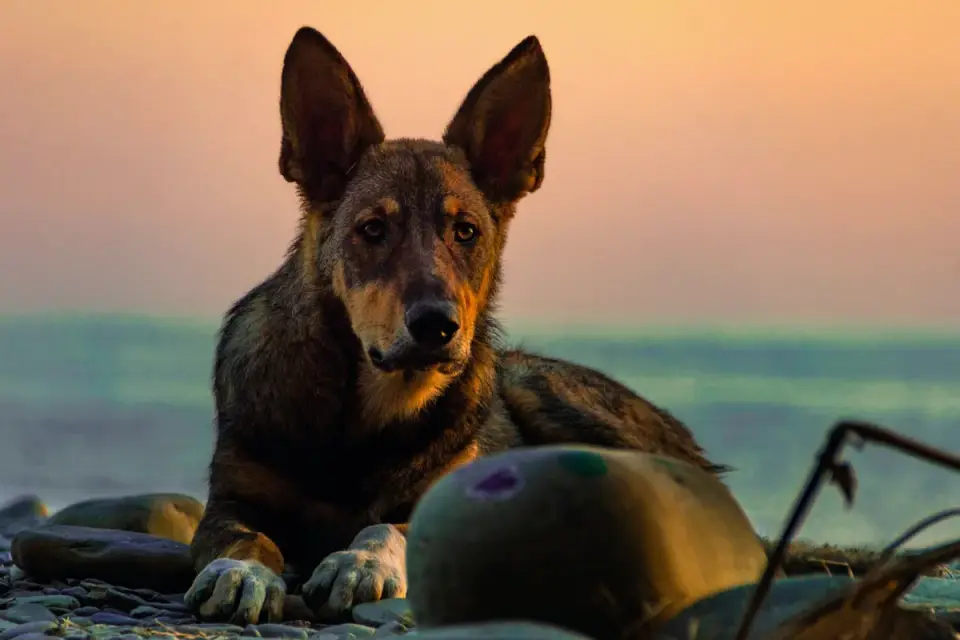
German breeds were selected for sustained tasks in variable weather: herding and guarding, pulling and tracking, pointing and retrieving. The American Kennel Club breed pages describe that history in practical terms, with the German Shepherd Dog bred for herding and versatility, the Rottweiler for driving cattle and guarding, the Doberman Pinscher for personal protection, and the versatile pointing breeds for all-day field work.
Drive is the point.
Expect high persistence, strong handler focus, and a need to use nose, legs, and brain in the same session. Vets often see the mismatch at around 8-14 months, when adolescent strength arrives before impulse control. A dog that looked attentive at eight weeks now patrols windows, mouths sleeves, or invents herding games with children and other pets.
That does not mean the dog is broken.
It means the load does not fit the tissue and brain you brought home.
Meet the main German work and sport groups
Herding and protection types: German Shepherd Dog, Rottweiler, Doberman Pinscher. These dogs bond hard, learn patterns fast, and guard as a default. They suit owners who enjoy obedience, tracking, nose work, or IGP-style control work and who will teach an off-switch from day one. They are a poor fit for long alone hours, chaotic entryways, or hands-off socialization.
Pointing and versatile hunting types: German Shorthaired Pointer, German Wirehaired Pointer, Weimaraner. These are aerobic athletes with wide range and strong hunting sequence. They suit runners, hunters, and field-sport homes that can give open-space exercise plus nose work. Apartment life without daily field-like outlets rarely works, a pattern also seen in other high-energy breeds discussed in Best Dog Breeds for Apartment Living: What Actually Predicts Success.
Scent, draft, and specialty workers: Boxer, Giant Schnauzer, Standard Schnauzer, Dachshund, Great Dane. Do not overlook them. Boxers and Schnauzers bring bounce and guarding instinct that need structured play and boundaries. Dachshunds bring real tracking drive in a long-backed body that pays a high price for slips, jumps, and excess weight. Great Danes bring mass that changes every joint-load calculation.
Choose by task affinity, not size or coat color. A 22-pound Dachshund bred to work underground can be harder to live with in an under-employed home than a well-trained 85-pound Rottweiler with a job.
Load, tissue tolerance, and recovery set the ceiling
Loadline frames soundness as capacity over time. Muscle adapts in weeks. Tendon, growth plate, and joint tissues adapt more slowly and forgive less.
Keep it preventive: build aerobic base before speed, keep hard sessions separated by easy days, and watch behavior as an early load signal. A dog that was crisp on known cues and turns sloppy, panting, or irritable may need rest, not more reps.
Growth matters. Large German breeds finish skeletal maturation well into the second year, so repetitive jumping, hard deceleration, and long leashed runs on pavement should wait for veterinary guidance on growth-plate closure. Keep puppies lean, favor short exploratory play and basic control, and save sport-specific pounding for the adult body.
Fuel and gut health belong in the same plan. Working dogs that travel, trial, or train in heat can lose appetite, stool quality, and body condition fast. Track intake, water, stool, and morning energy the way a human performance log tracks fueling and rest, and bring changes to your veterinarian early rather than pushing through.
For conditioning detail across protection and herding breeds, compare German Shepherd vs Belgian Malinois: Which Working Dog Actually Fits Your Load?.
Screening and preventive baselines by purpose
Purpose should guide screening, not replace it. The Orthopedic Foundation for Animals maintains the public hip, elbow, cardiac, eye, and breed-specific databases many responsible breeders use, and the Merck Veterinary Manual outlines how conformation, weight, exercise, and preventive care interact in musculoskeletal disease.
Ask for:
- Hips and elbows recorded in an open registry for Shepherds, Rottweilers, Boxers, Schnauzers, Pointers, and Danes
- Cardiac evaluation where the parent club advises it, especially Dobermans, Boxers, and Danes
- Eye screening for working and sporting breeds
- Thyroid and von Willebrand screening where breed clubs advise it, especially Dobermans
- Temperament history: nerve steadiness, recovery after startle, and behavior around strangers, children, and other dogs
A single clear test does not clear a line. Look for depth across relatives, longevity, and willingness to discuss dogs that did not work out.
Where German breeds stop winning
German breeds lose to lower-drive companion breeds on one clear point: ease.
If your week allows two short walks, weekend fetch, and little training, a purpose-bred protection or field dog will likely bark more, guard more, chew more, and need more management than you want. That trade is honest, not a failure. Owners with limited time often do better with breeds selected for companionship and lower exercise needs, as outlined in Best Low-Maintenance Dog Breeds for Busy People.
They also lose when the household cannot tolerate alert barking, mouthing during arousal, or careful introductions with visitors. Training may help support better behavior, but it does not erase selection. Expect management for the life of the dog, with realistic timelines measured in months for reliable control around high arousal.
The right match feels different by six to twelve months: a dog with tired legs, a clear job, and a fast settle in the house.
Frequently asked questions
Are German dog breeds good for first-time owners?
Some Standard Schnauzers, Boxers, or well-bred companion lines can fit a committed beginner with trainer support, but most protection and field breeds suit owners ready for daily training and management.
How much exercise does a German Shepherd or German Shorthaired Pointer need?
Most adults need daily aerobic exercise plus training and nose work, often 45-90 minutes total, with rest days after hard sport and veterinary guidance for growing dogs.
Sources
- German Shepherd Dog Breed Standard — American Kennel Club
- Hip and Elbow Screening Databases — Orthopedic Foundation for Animals
- Musculoskeletal Health Overview — Merck Veterinary Manual