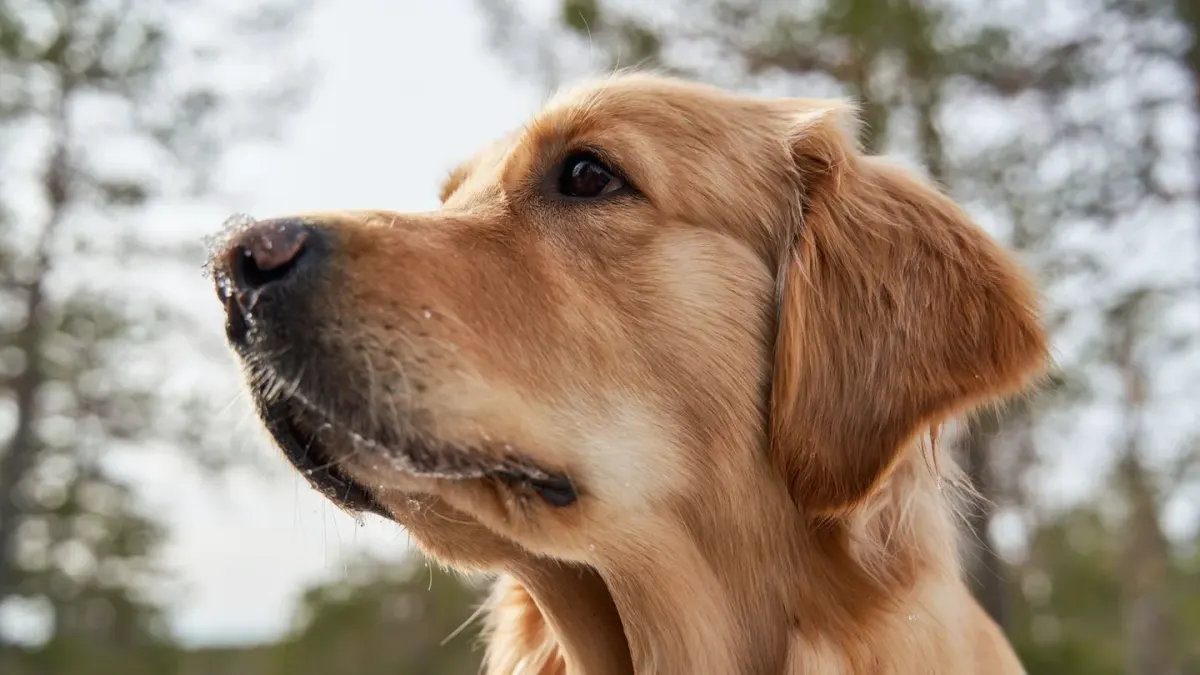
A 2-year-old sable dog trots past at the park and everyone calls shepherd, yet the owner is logging twice the training reps you planned for.
That mismatch is the whole decision. These breeds share erect ears, a black-and-tan double coat, and an athletic outline, but their working drive, load tolerance, and recovery needs diverge quickly. Expectation first: pick for the engine and the daily routine you can sustain, not the silhouette. The American Kennel Club describes the German Shepherd as confident, courageous, and steady, and most look-alikes were selected for a sharper or heavier version of that temperament.
Match on this checklist before you fall for the look:
- Daily working load: 60–120 minutes of combined training, sniffing, and aerobic work, plus rest days
- Training intensity: handler-focused obedience vs. independent patrol, herding, or pulling drive
- Body weight and joint load: 45 pounds moves very differently than 90 pounds over stairs and jumps
- Coat and heat tolerance: dense double coats shed year-round and recover slower in heat
- Recovery signals: next-day stiffness, lagging on walks, irritability, or skipped meals after hard days
- Health baseline: hip and elbow screening, behavior history, and preventive veterinary plan
Those six points predict success better than color or ear set, a pattern also seen when comparing high-drive herders in our Border Collie vs Australian Shepherd guide.
Which silhouette actually fits your training week
Belgian Malinois, Dutch Shepherd, Belgian Tervuren, and Belgian Sheepdog are the closest working matches. They are lighter, faster to react, and often need more frequent, shorter training sessions than a German Shepherd. For owners weighing that specific trade, our German Shepherd vs Belgian Malinois comparison breaks down load and lifestyle fit in detail.
White Swiss Shepherds, Shiloh Shepherds, and King Shepherds lean calmer and heavier. They may help support a family companion role with consistent training, but added weight raises cumulative joint load on hips and elbows. Baseline screening matters here, and the Orthopedic Foundation for Animals maintains hip and elbow databases that show why large shepherd types benefit from documented parent scores.
Northern wolf-like types — Czechoslovakian Wolfdog, Saarloos Wolfdog, Tamaskan, and Utonagan — look the part from a distance but were not bred for the same handler responsiveness. They tend to be independent, sensitive to handling pressure, and demanding about socialization. In practice, vets often see adolescent fear and roaming behavior when exercise replaces training.
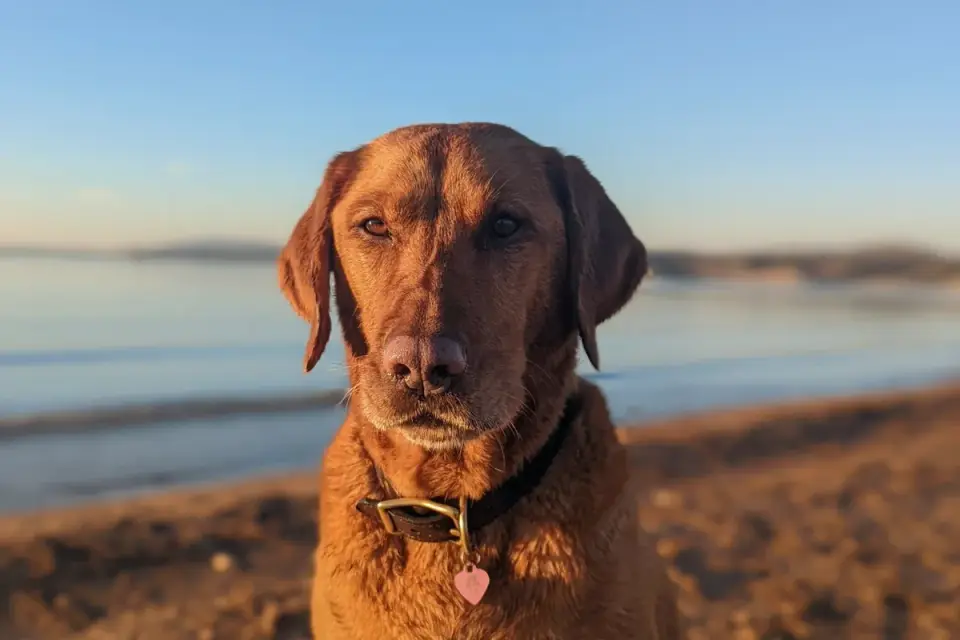
Read drive, then read recovery
Drive is observable. Note chase, grip, bark persistence, and how quickly the dog re-engages after a pause.
Recovery tells you whether that drive is sustainable. VCA Animal Hospitals notes that exercise needs vary by breed, age, and health status, and working types need conditioning built gradually rather than weekend bursts.
Keep it preventive: structure, realistic timelines, and low-stress handling. Track weight monthly, keep nails short to protect posture, and give 48 hours of lower-impact activity after unusually long hikes, agility weekends, or protection-sport sessions.
A calmer week is not lost fitness.
It is tissue tolerance catching up.
Where each type stops winning
If you want a versatile sport and service prospect and can train daily, the Malinois or Dutch Shepherd alternative wins on agility and heat tolerance. If you want a steadier house companion with shepherd presence and can manage shedding plus joint-conscious weight control, a White Swiss, Shiloh, or King type may fit better, provided breeders share orthopedic results.
Wolf-like breeds stop winning for first-time shepherd owners, busy households, or homes without secure fencing and time for socialization. Apartment success depends less on square footage than on routine, as our guide to apartment living explains, and none of these dogs succeed on looks alone.
Choose the recovery window you can honor. The right look-alike is the one whose baseline behavior you can live with on a tired Tuesday.
Frequently asked questions
Which breed looks most like a German Shepherd but is smaller?
The Belgian Malinois and Dutch Shepherd are the closest smaller working look-alikes, usually 40–65 pounds with a shorter recovery burst pattern and higher daily training needs.
Are shepherd look-alikes healthier than German Shepherds?
Not automatically. Large shepherd types share risks for hip and elbow dysplasia, so ask for documented parent screening and keep weight lean with gradual conditioning.
Do these breeds shed like German Shepherds?
Most shed heavily year-round with seasonal blows. Expect weekly brushing, more during spring and fall, and slower heat recovery in dense-coated dogs.
Sources
- German Shepherd Dog Breed Standard — American Kennel Club
- Hip Dysplasia in Dogs — Orthopedic Foundation for Animals