Last January I watched a 4-year-old, 62-pound Lab mix hop from packed snow onto a cleared sidewalk and stop cold. He lifted one front paw, then the other, licking frantically at the dark de-icer pellets stuck between his toes. His owner had wiped his feet after every walk for three weeks, but by day 18 the skin between the pads was red and cracked. That is the exact moment boots stop being an accessory. For that dog, on that salted block, protection beat cleanup.
My position from day-to-day practice is simple. Boots are a tool for specific load on paw tissue, not daily uniform. Healthy pads handle a lot of normal walking and actually need that contact for grip and feedback. I reach for boots when the surface overwhelms tissue tolerance — scorching pavement, sharp ice melt and chemical de-icers, rough trail or urban debris, or a healing pad that needs a clean cover. The strongest counterargument is that dogs move better barefoot, and that is true. Fit is imperfect, gait changes a little, and some dogs stress more wearing boots than going without. I still land on short-term, fit-tested use for high-risk walks, because a chemical burn or torn pad costs far more recovery time than a training week in boots.
Cold sidewalks, salt, and the January test
Paw pads are tough, but they are still skin. Repeated wet-cold plus sodium chloride and calcium-chloride de-icers dries and irritates the interdigital skin, and dogs ingest it when they lick. The American Veterinary Medical Association notes that wiping feet after walks helps remove salt and antifreeze residue, and recommends checking for cracked pads in winter. I agree, and I am honest where the preventive evidence is thin: no boot has been shown to prevent all winter dermatitis, and wiping plus paw balm handles many mild days.
I save boots for the salted-sSidewalk problem. If your block is heavily treated, if your dog chews its feet after walks, or if you see limping, redness between toes, or small cracks that do not close in two to three days, switch to boots for those routes. Keep them to the at-risk portion of the walk when you can.
A 9-year-old, 28-pound beagle mix taught me the tradeoff. She hated boots and did a high-stepping march for the first four days, then refused to leave the stoop. Her owner tried three styles in two weeks: loose mesh booties that spun, stiff hiking boots she kicked off by minute six, and finally a soft, flexible set with a cinch above the ankle. The soft set worked, but only after indoor practice with treats for five minutes at a time over seven days. The lesson stuck. The wrong boot used too fast creates more stress than the salt it was meant to block.
Hot pavement, trails, and healing pads
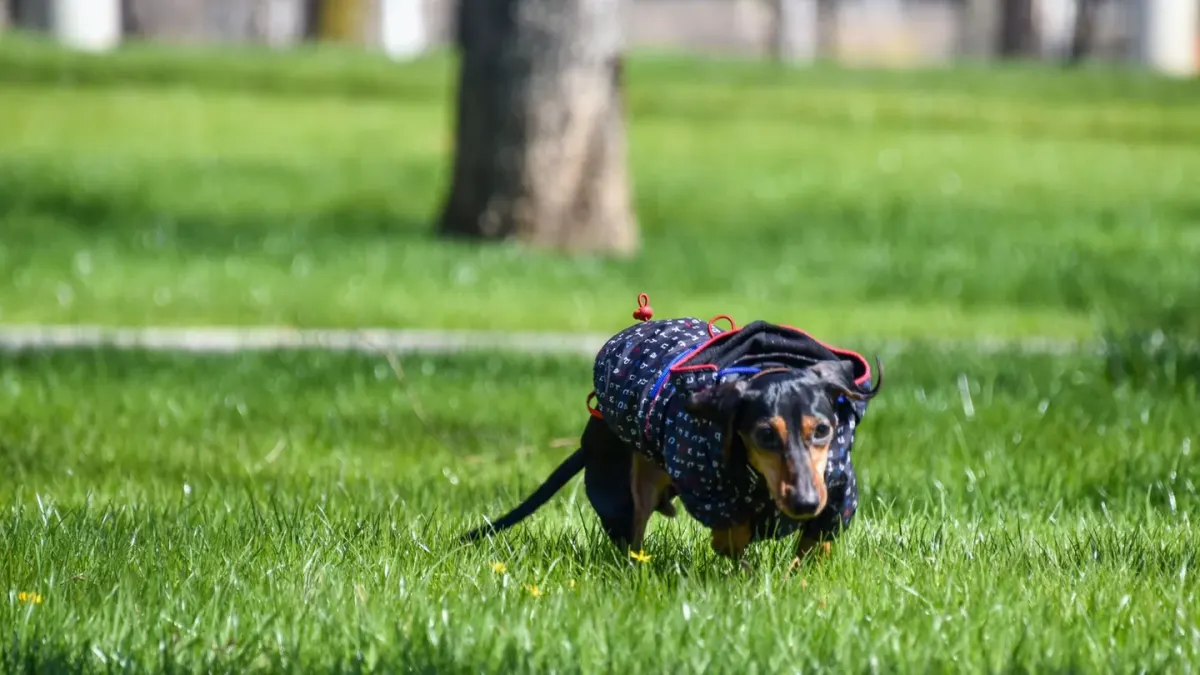
Heat is the other clear call. If you cannot hold the back of your hand on pavement for seven seconds, it is too hot for bare paws. The ASPCA advises walking early or late and staying on grass during heat, which matches what I see in practice. Boots help for the unavoidable hot stretch — the parking lot crossing, the sun-baked city block — but timing and shade do more than any sole.
Healing injuries are the third reason. A torn or abraded pad needs to stay clean while new tissue firms up, and dogs re-injure pads fast on concrete. VCA Hospitals outlines how easily foot pads tear and why rest and protection matter during healing. I use a boot as a clean cover for short, leashed potty walks only during that window, not for full exercise. That is also when I check fit like I would any gear that changes movement, the same way I talk about measuring for a How to Measure and Fit a Basket Muzzle or thinking through load in Front-Clip vs Back-Clip Dog Harness: What the Biomechanics Actually Say.
Fit matters more than features. Measure paws standing, weight-bearing, and size to the larger front paw. You want snug at the widest point with room for toes to spread, no twisting at a trot, and a closure above the ankle joint, not on it. Two fingers should just fit under the strap.
The senior dog who changed my cutoff
An 11-year-old, 74-pound German shepherd with worn nails and thin pads started slipping on frosty sidewalks last February. For two weeks his owner carried him over the icy curb cut, worried boots would make him more unstable. By day 10 he had two scraped pads from splaying to grip. We fitted lightweight boots with a soft flexible sole just for the morning loop, practiced indoors first, and kept the afternoon walk barefoot on dry grass. His stride looked a little shorter for the first three minutes, then steadied.
That edge case reset how I apply the rule. Older dogs, dogs with neurologic drag, and dogs recovering from a pad injury often benefit sooner, even if the surface looks moderate. Young, healthy dogs on grass, dirt, or cool morning pavement usually do better barefoot.
You do not need boots for every walk. You need them for salted blocks, heat you can feel through your shoe, jagged trail miles, and healing feet — fitted well, introduced slowly, and taken off at the door.
Frequently asked questions
Does my dog need boots for normal neighborhood walks?
Usually no. Cool, clean sidewalks and grass are fine barefoot. Save boots for salted, scorching, or rough stretches and for healing pads.
How do I know pavement is too hot?
Press the back of your hand to it for seven seconds. If you must pull away, walk on grass, go early or late, or use well-fitted boots for the hot section.
My dog hates boots. What helps?
Go slower. Practice indoors five minutes at a time with treats for about a week, check for twisting or rubbing, and try a softer, lighter style with an ankle cinch.
Sources
- Cold-Weather Animal Safety — American Veterinary Medical Association
- First Aid for Torn or Injured Foot Pads in Dogs — VCA Hospitals
- Hot Weather Safety Tips — ASPCA