How to Measure and Fit a Basket Muzzle
Measuring a dog for a basket muzzle comes down to three numbers — snout length, snout circumference, and neck girth — plus a fit check most owners skip.
On this page
A muddy Saturday agility trial, a golden retriever named Otis pinned flat against his handler’s leg while a stranger’s dog barreled past off-lead — that’s usually the moment an owner decides a basket muzzle isn’t optional anymore. I’ve fitted enough of them in exam rooms to know the mistake almost never happens at the buying stage. It happens two minutes later, when nobody checks whether the dog can actually pant.
Start here — the fit checklist:
- Snout circumference, measured just below the eyes, mouth gently closed
- Snout length, from nose tip to the soft spot below the eyes
- Neck circumference, where the strap will sit behind the ears
- Basket depth that lets the mouth open most of the way, not just crack
- A gap you can slip one to two fingers under the strap once buckled
- Room for panting and a treat to pass through without removing the muzzle
- Sizing up, not down, when a dog’s numbers fall between two sizes
The three measurements that actually decide fit
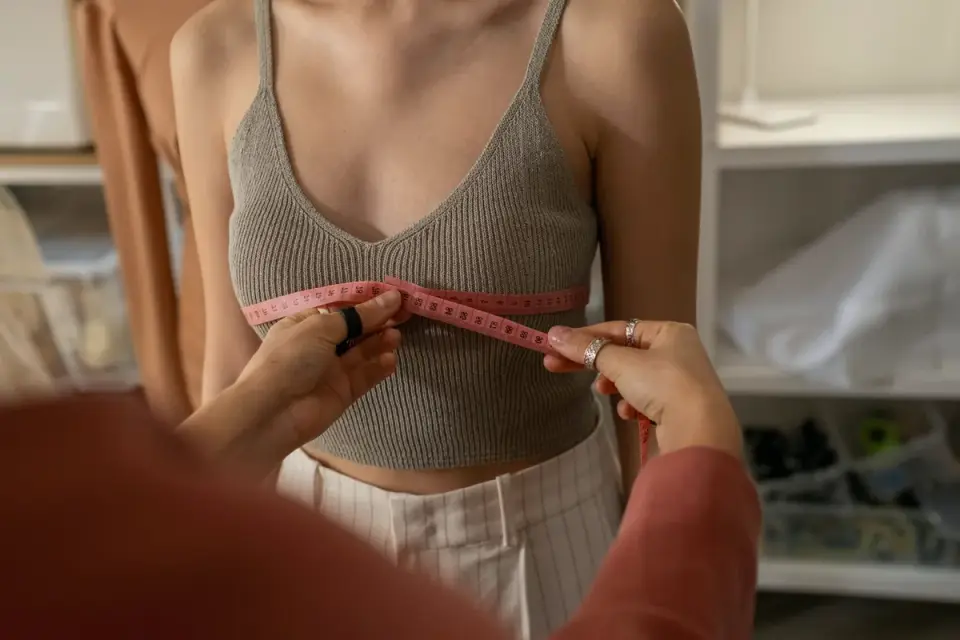
Grab a soft, flexible tape — a sewing tape works better than a hardware-store one — and measure the dog while calm, not mid-struggle. Circumference is taken around the snout just below the eyes, at the widest point of the muzzle’s bridge; length runs from the tip of the nose back to that same spot below the eyes. Dogster notes that manufacturers most commonly ask for exactly these two figures, plus a neck measurement taken where the strap sits behind the ears, since an ill-fitting neck strap is what lets a dog paw a muzzle off within a minute of putting it on.
A short brachycephalic muzzle — think French Bulldog or Boxer — often needs a size chosen more by circumference than by length, because the tissue below their eyes runs wider relative to how short their nose is. A sighthound is nearly the opposite: long, narrow, and easy to under-buy on length. Neither dog reads a generic chart cleanly, which is the actual argument for measuring instead of guessing off breed.
Ray Allen Manufacturing, which builds working and service-dog muzzles, measures circumference with the dog’s mouth closed and adds that if a dog’s numbers land between two sizes, the larger size is the safer call — a muzzle that’s slightly loose can still be tightened at the strap, but one that’s too small can press the whiskers and skin against the basket hard enough to abrade it during a training session.
What “fits” actually means once it’s on the dog
A tape measure gets you into the right size range. Whether the muzzle actually fits is a separate question, and it’s the one owners skip. According to Preventive Vet, a basket muzzle should have “a large enough basket to allow your dog to comfortably open their mouth, pant, and drink water” — and the design should include a small front opening so treats can be delivered without removing the muzzle mid-session. That last detail matters more than it sounds: a muzzle that can’t take a treat can’t be used for the desensitization work that makes a dog tolerate it at all.
In my own exams, the fit test I actually run is simple. With the muzzle buckled at the size the tape suggested, I check that the dog’s mouth can open close to its full range inside the basket, that the strap leaves room for two fingers behind the ears, and that the dog can pant without the sides of the basket pinching whisker skin against the wire or plastic. I’ve had dogs — a lean, anxious Border Collie mix comes to mind, about 38 pounds, fitted for a muzzle after a fear-based bite at the front desk — pass every tape measurement and still fight the muzzle within the first ten minutes, because the basket depth was a size too shallow for how wide he opened his mouth to pant when stressed. We sized up one basket depth, re-ran the same desensitization plan the following week, and he settled into it inside two sessions instead of fighting through six.
Reading a fit that’s already gone wrong
A muzzle in the wrong size announces itself fairly quickly if you know what to watch for. Rubbing or hair loss across the nose bridge after a session usually means the length is too short and the basket’s front rim is dragging with every head turn. A dog pawing at the muzzle within the first minute, rather than settling once distracted, often means the neck strap is too tight or the basket too shallow to pant in — both are correctable by going up a size rather than pushing through with more treats. A muzzle that slides sideways when the dog puts its nose to the ground means the neck strap was fitted loose to compensate for a basket that’s too small everywhere else, which just trades one failure for another.
None of this replaces actual training. The Muzzle Up! Project builds its program around desensitization and counterconditioning — teaching a dog to view the muzzle going on as predicting good things, not restraint — and lists proper fit as one of its three core training tips alongside gradual introduction and positive pairing. Fit and training aren’t separate problems; a muzzle that pinches or restricts panting will undo weeks of careful counterconditioning the first time the dog gets warm or excited, which is exactly the scenario a muzzle is usually needed for in the first place.
The same load-and-tolerance thinking we bring to a working dog’s joints applies here in miniature: a muzzle is equipment the tissue underneath has to tolerate for the length of a session, not just survive for a photo. It’s worth treating the fit check with the same seriousness owners already bring to checking a front-clip vs. back-clip harness — in both cases, the goal is even, non-restrictive contact against the dog’s body, not just something that technically stays on.
Sizing charts still matter — use them as a starting point, not the final word
Once you have your three measurements, cross-check them against the specific manufacturer’s chart rather than a generic breed-based size guide — basket depth and shape vary enough between brands that a “medium” from one maker can run a full size off from another’s. Company of Animals, maker of the Baskerville line, publishes sizes by both snout length and circumference and recommends sizing up when a dog falls between two listed sizes, echoing the same guidance Ray Allen gives for its own working-dog muzzles. Treat the chart as your starting size, then run the mouth-opening and finger-gap check in person before you commit to a session with it.
If a chart’s numbers put your dog between sizes on both length and circumference, that’s usually a sign the dog’s proportions don’t match that brand’s mold well at all — a snub-nosed breed against a chart built around longer-snouted averages, for instance — and it’s worth trying a brand built specifically for short or narrow snouts rather than forcing a compromise size. This same proportion mismatch is why an apartment-friendly breed’s flatter face or a working sighthound’s narrow skull rarely lands cleanly on a chart built around average retriever proportions.
The short version
I still think about that Border Collie mix settling into a correctly sized muzzle in two sessions instead of six, because it’s the clearest version of a pattern I see constantly: the muzzle itself was never the problem, the basket depth was. Measure snout circumference below the eyes, snout length to that same point, and neck girth where the strap sits; check the chart of the specific brand you’re buying; then confirm in person that the dog can open its mouth most of the way, pant freely, and take a treat through the front opening before you ever ask it to wear the muzzle through a real trigger. A basket muzzle that fits is a tool a dog can tolerate for the length of a walk, a vet visit, or a trial. One that doesn’t fit is a fight you’re setting up before the session even starts.
Frequently asked questions
How do I know if a basket muzzle is too small?
Look for rubbing or hair loss across the nose bridge, a dog that paws at the muzzle within the first minute of wearing it, or a basket too shallow to let the mouth open enough for full panting — all signs to size up rather than push through.
Should I size up or down if my dog is between two muzzle sizes?
Size up. A slightly loose basket can be tightened at the strap, while an undersized one presses the whiskers and skin against the basket hard enough to cause chafing during use.
Can a dog drink water while wearing a basket muzzle?
A correctly fitted basket muzzle has enough depth and an open enough front that a dog can drink and pant, which is part of why fit checks matter as much as the size chart.
Sources
- How to Correctly Measure a Dog for a Muzzle: 13 Vet-Verified Tips & FAQs — Dogster
- How to Measure for Dog Muzzle Sizing — Ray Allen Manufacturing
- Choosing and Fitting a Dog Muzzle — Preventive Vet
- Muzzle Training — The Muzzle Up! Project
- How to Select the Right Baskerville Muzzle Size — Company of Animals