On this page
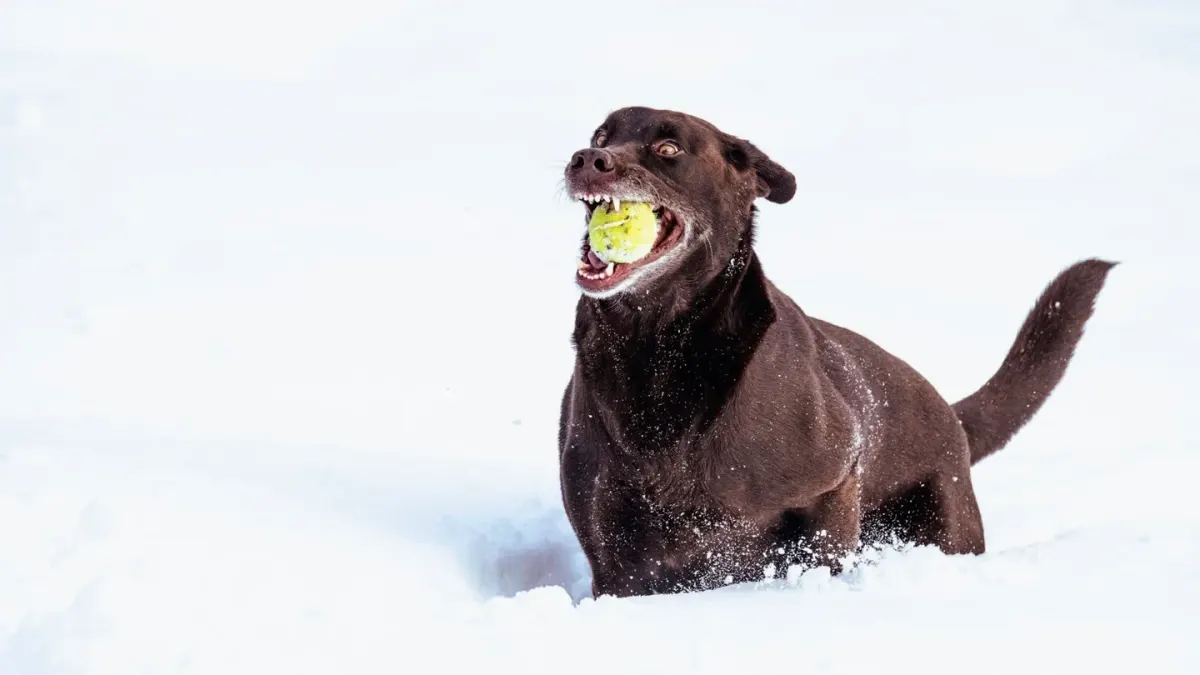
The morning routine has not changed, but the recovery has. Your Belgian Malinois still launches for the ball at dawn and then takes an extra hour to loosen up afterward. That gap between drive and tissue tolerance is the whole story of aging in this breed.
My expectation-first counsel is simple: plan a deliberate step-down in load rather than an abrupt retirement. Keep daily work, shorten the peaks, and protect body condition. A Malinois that goes from full activity to couch rest often gains weight, loses muscle, and gets more anxious, not calmer.
Your aging checklist — what to adjust first
- Trade one long hard session for two shorter moderate sessions with sniffing and training built in
- Track weight every 2 weeks and ribs, waist, and thigh muscle monthly
- Add traction, ramps, and shorter car and stair repetitions before your dog refuses them
- Schedule senior exams every 6 months with orthopedic and pain screening
- Keep the brain employed: nosework, search games, and settled place work
- Watch sleep, pacing at night, and house-soiling as early flags to call your vet
The step-down this athlete actually needs
A young Malinois can tolerate repeated sprint, jump, and bite-work loads. With age, cartilage, tendon, and muscle recover more slowly while motivation stays high. The American Kennel Club describes the Belgian Malinois as confident, smart, and work-oriented, which is why cold-turkey rest backfires.
Abrupt rest removes the outlet without removing the need. Expect vocalizing, pacing, destructive chewing, or redirected herding behavior within days to weeks. In practice, vets often see that behavior change misread as disobedience when it is under-stimulation plus stiffness.
Keep the structure of the workday. Shorten distance, lower jump height, and build in warm-up walks and cool-downs. Think in weekly load: total minutes, intensity, and at least one easier day after a harder day.
Joints tell on load before X-rays do
Slowing on stairs, wide turns, bunny-hopping at a run, or reluctance to jump into the car often reflect discomfort before owners notice a limp. Hip and elbow dysplasia and age-related osteoarthritis are the load-limiting problems to screen for in large active breeds, and the Orthopedic Foundation for Animals maintains the standard screening framework for hips and elbows.
This is where tissue tolerance matters more than any single supplement. Maintain lean muscle with controlled hill walks, cavaletti poles at elbow height or lower, and swimming with a safe entry when your vet approves it. Avoid weekend-warrior spikes — five miles on Saturday after nothing all week.
Pain control is a veterinary decision. The American Animal Hospital Association pain management guidelines emphasize multimodal assessment and regular reassessment for dogs with chronic musculoskeletal pain. If your dog lags, lies down on walks, or needs help rising, book an exam rather than pushing through.
Weight is a joint treatment
Every extra pound increases load on already sensitive joints. Older Malinois lose muscle easily when activity drops, so the scale can look stable while the body gets softer and weaker.
Weigh on the same scale at the same time of day. Adjust food to maintain a visible waist and easily felt ribs with light fat cover. Ask your vet for a target weight range and a calorie starting point after a senior exam, especially if thyroid, kidney, or dental disease changes intake.
For context on how breed energy shapes housing and daily structure, compare notes in German Shepherd vs Belgian Malinois: Which Working Dog Actually Fits Your Load? and Border Collie vs Australian Shepherd: Which Working Dog Fits Your Training Load?. High-drive dogs share the same rule: match the outlet to the dog you have now, not the dog you had at three.
The brain retires slower than the body
Malinois age well when problem-solving stays in the day. Ten minutes of scent searches, food puzzles, or obedience chains often settles an older dog more than another mile of fetch.
Watch for cognitive shifts: night restlessness, staring, getting stuck in corners, or new anxiety when left alone. Note onset, frequency, and video examples for your vet. Keep cues consistent, keep surfaces non-slip, and keep night routines predictable.
Low-impact jobs fit well here. Short tracking legs, directed retrieves on flat ground, place-stay during family dinner, and calm greeting reps preserve identity without pounding joints.
It is a smaller question than joints, but owners ask it: can this breed settle in tighter quarters as activity falls? Daily structure still decides the outcome more than square footage, as discussed in Best Dog Breeds for Apartment Living: What Actually Predicts Success.
What I prioritize, and where I concede
I prioritize preserved routine with reduced peak load, lean body condition, traction and sleep support, and twice-yearly senior screening. That combination may help support mobility, comfort, and behavior with realistic timelines measured in weeks, not days.
I concede where lower drive wins. If your life now needs a naturally calmer, less training-intensive companion, a different breed profile may fit better than reshaping a senior Malinois. See Best Low-Maintenance Dog Breeds for Busy People for that tradeoff.
Where does structured work stop winning? When pain, fatigue, or anxiety persist despite lighter loads, more rest days, and veterinary care. That is not failure. That is the signal to shift from athlete maintenance to comfort care.
What would a good next month look like for your dog — same job, smaller shifts?
Frequently asked questions
At what age is a Belgian Malinois considered senior?
Many vets use around 7 to 8 years for large active breeds as a senior threshold, but function matters more than age. Slower recovery, stiffness after rest, and reduced jump tolerance should trigger a senior exam and load review.
How much exercise does an aging Belgian Malinois need?
Keep daily activity but lower peak intensity. Two moderate walks plus short training and sniffing sessions often works better than one hard run. Ask your vet or sports-medicine clinician to set minutes and intensity for your dog.
Why is my older Malinois gaining weight?
Activity usually drops faster than appetite. Muscle loss also lowers calorie needs. Track weight every 2 weeks, measure food, and ask your vet for a target range and feeding plan.
Sources
- Belgian Malinois Dog Breed Information — American Kennel Club
- Hip Dysplasia — Orthopedic Foundation for Animals
- 2022 AAHA Pain Management Guidelines for Dogs and Cats — American Animal Hospital Association