On this page
- The training-room verdict: retire it early
- 1. Fit no longer holds two fingers
- 2. Fabric, stitching, or edge tells on load
- 3. Hardware wobbles, sticks, or rusts
- 4. Skin and coat show tissue intolerance
- 5. Smell, stiffness, or dye means the liner failed
- 6. Life stage changed the math
- 7. Tags fade or the backup plan is missing
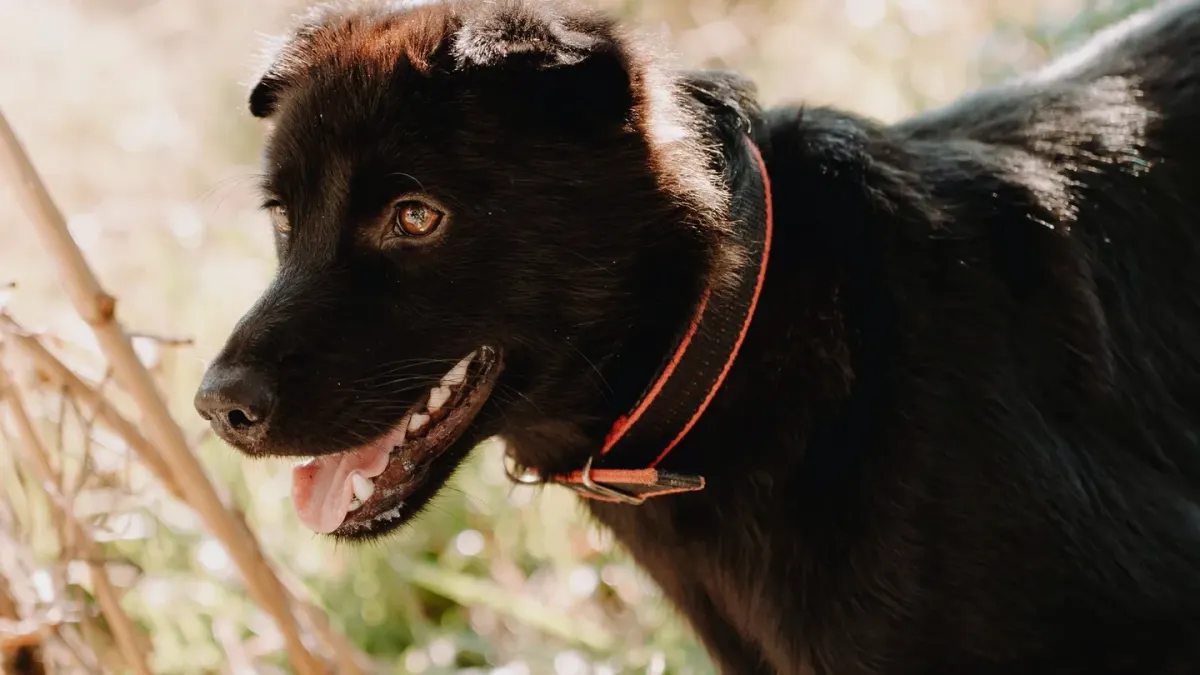
At 6 a.m. on a track in Albuquerque, Lee clips the leash to Jett, his 10-year-old intact male Greyhound, and notices the nylon edge has gone shiny, the D-ring leans sideways, and pale hair is missing in a neat band under the strap.
The training-room verdict: retire it early
For a working dog, a collar is load-bearing gear. Replace it when fit, fabric, or hardware no longer holds steady load without rubbing tissue.
Do this now: take the collar off, lay it flat, and run this 60-second check. Slide two fingers flat under the band at the throat. Look for fraying, glazing, cracks, stretched holes, rust, or a buckle that slips. Smell the liner. If odor persists after washing, retire it.
A coat supplement may help support skin recovery in a hard-working dog, but weigh what a supplement can realistically do for diet, mobility, and recovery — no fatty acid or powder rebuilds a sawed edge or a loose buckle.
1. Fit no longer holds two fingers
Check fit every two weeks in season, monthly off-season. Weigh the dog monthly if training volume changes.
Loosen or tighten so two fingers lie flat without forcing. In long-necked, heavy-coated, or growing dogs, add a second check after a run when the coat is damp and compressed. If you are between holes, or the tail end sticks out more than 2 inches, size up or down.
Vets often see neck rubbing mistaken for allergy. In practice, a collar that migrates forward over the larynx or spins freely usually means the band stretched or the dog lost muscle.
2. Fabric, stitching, or edge tells on load
Nylon glazes and thins where the leash pulls. Leather cracks across the grain near holes. Biothane nicks and then splits. Webbing that curls, pills, or feels sharp will abrade coat before it breaks skin.
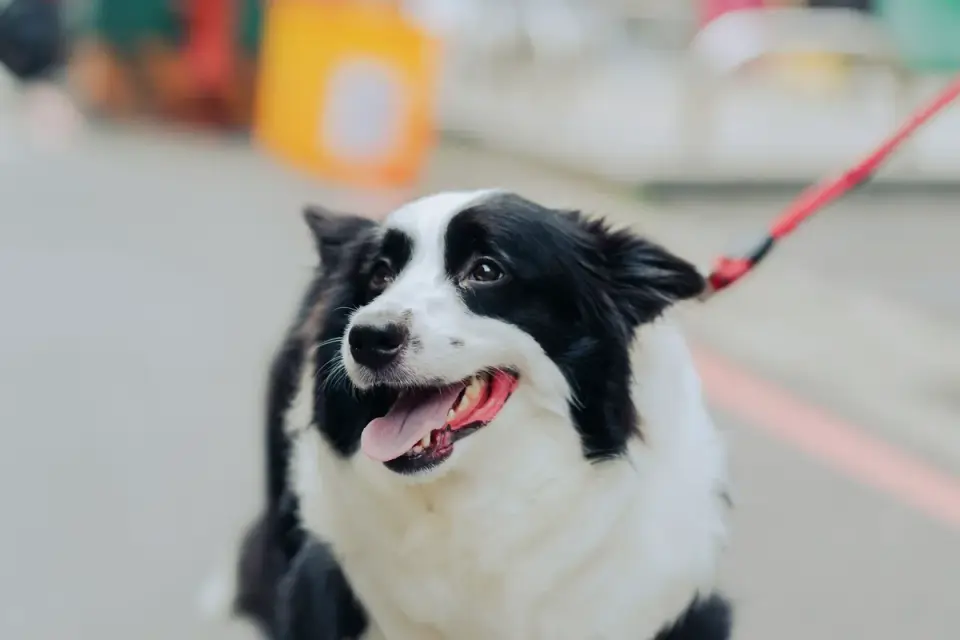
Pinch the band and bend it. If you see white fibers, lifted stitches, a folded edge, or padding that stays compressed, retire it. Trimming loose threads does not restore tensile strength.
For load context, the same rule that picks front-clip versus back-clip control applies here: steady pulling concentrates force in a small contact patch.
3. Hardware wobbles, sticks, or rusts
Test every buckle, martingale loop, and D-ring under hand tension. The side-release should click cleanly. The D-ring should sit centered and not rotate more than a quarter turn. The tag ring should close fully.
Replace immediately for a bent D-ring, a buckle that pops with thumb pressure, flaking chrome, or rust bleed onto fabric. Rinse hardware after swim or sweat sessions and dry flat.
The American Veterinary Medical Association notes collars and tags remain a first line of identification, which only works if the ring holding them holds.
4. Skin and coat show tissue intolerance
Part the hair under the collar line. Look for thinning, broken hairs, redness that fades in more than 30 minutes, flaking, or a sour smell.
Wash the collar, dry the neck fully, and rest the skin for 24 hours with a flat harness for walks. If marks persist, change material or width rather than adding a supplement and hoping. A wider flat band spreads pressure; a round rolled collar suits long coats but concentrates pull.
If you carry tags on a harness for a puller, keep the logic from our backpack load discussion — move load off irritated tissue until tolerance returns.
5. Smell, stiffness, or dye means the liner failed
Neoprene and padded liners trap sweat, pond water, and field dust. Wash in warm water with mild soap, rinse well, and air-dry. If stiffness, cracking, dye transfer, or odor remains after two washes, the liner is done.
This matters more than it looks. A stiff liner no longer conforms, so peak pressure rises on the trachea and skin.
6. Life stage changed the math
Puppies outgrow width and length in weeks. Seniors like Jett lose neck muscle and gain loose skin, so an old favorite suddenly slides. Post-season detraining, weight cuts for competition, or a thick winter coat all change fit.
The American Kennel Club recommends rechecking collar fit as dogs grow and coats change, with room for two fingers but no slipping over the head — remeasure the neck with a tape before you reorder.
Jose in Lakewood learned this with Dandy, his 5-year-old neutered male Cocker Spaniel, when 1.5 pounds of winter weight meant the everyday collar rode tight behind the ears after a 3-mile hike.
7. Tags fade or the backup plan is missing
Hold the ID tag at arm’s length. If you cannot read the phone number, replace the tag, not just the collar. Keep a flat embroidered backup collar for travel and a breakaway or naked-crate rule at home per your trainer’s plan.
A collar that survives is still retired if it cannot keep identification legible under mud, rain, and coat oil.
Retire on schedule: everyday nylon every 9 to 12 months for daily runners, leather conditioned monthly and replaced at first cracking, field collars inspected weekly in hunt season.
Frequently asked questions
How tight should a dog collar be?
Tight enough that it will not slip over the head, loose enough to slide two fingers flat underneath at the throat. Recheck after exercise, baths, and coat changes.
How often should I replace a dog collar?
Inspect monthly and expect 9 to 12 months for daily-use nylon on active dogs. Replace sooner for fraying, stretched holes, hardware play, persistent odor, or coat and skin marks.
Can I just wash a smelly collar instead of replacing it?
Wash twice with mild soap and air-dry. If stiffness, dye transfer, or odor remains, replace it — the liner has broken down and will rub.
Sources
- Pet Identification, Collars, Tags and Microchips — American Veterinary Medical Association