On this page
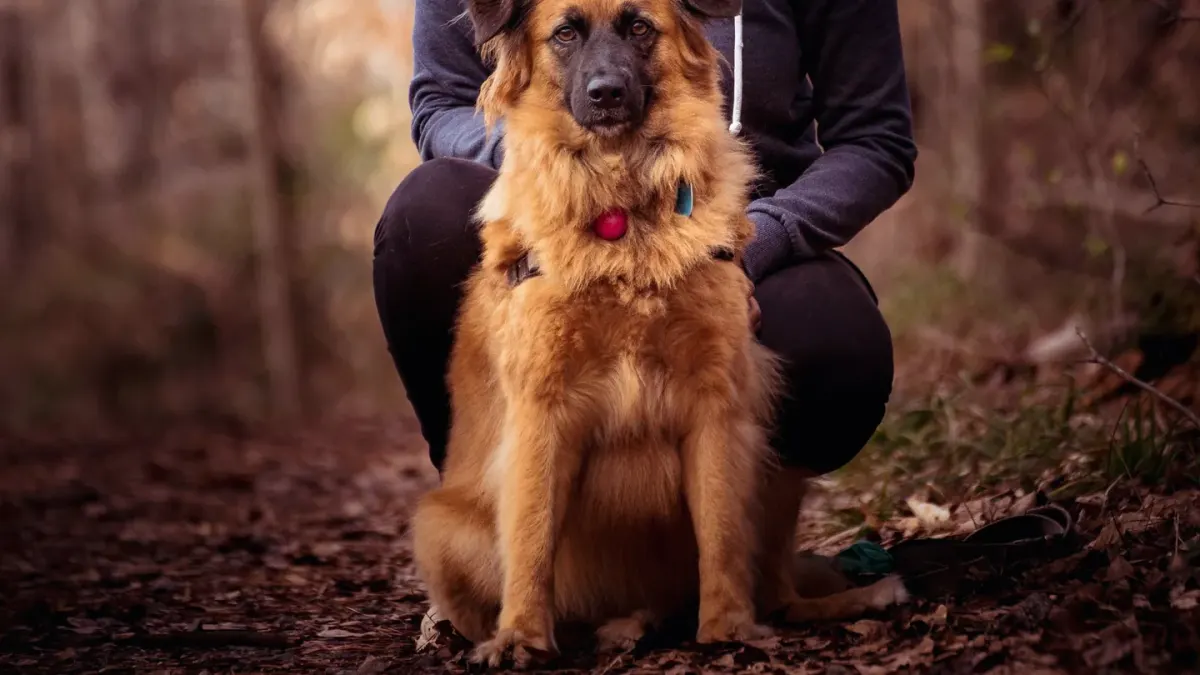
Cody knew spring had arrived when Kooper, his 5-year-old intact male Bernese Mountain Dog in El Monte, California, left a full outline of dark undercoat on the truck seat after a 20-minute drive to the trailhead. Brushing once a week had worked all winter. It stopped working in one week in April.
For most double-coated and seasonal-shedding dogs, that timing is normal. Expect the heaviest shed in spring as the dense winter undercoat releases, then a second peak in fall as the lighter summer coat turns over for winter growth. Build your grooming load around those two windows instead of waiting until the house and vehicle tell you it started.
Single short paragraph verdict: Plan for daily to every-other-day brushing for 2 to 3 weeks each spring and fall if you live with a heavy shedder.
When does the big shed hit?
Day length drives the cycle more than one warm weekend. As photoperiod shifts in spring and again in fall, follicles move large numbers of hairs from growth into rest and release at once. Temperature, indoor heating, nutrition, and overall health shape how much releases, but the calendar sets the pattern.
Cornell University College of Veterinary Medicine notes that seasonal shedding is most obvious in spring and fall, with double-coated breeds dropping undercoat heavily and year-round shedders still peaking at those transitions. That matches what vets often see in practice: owners report tumbleweeds in April and October even when routine care has not changed.
Indoor dogs may shed a steadier background amount because artificial light blurs the signal. They still tend to surge around the same seasons. Track your own dog for one year and you will have a usable baseline.
Which coats drop the most hair?
Start with coat type, not breed hype. Dense double coats built for cold work — Huskies, Malamutes, Bernese Mountain Dogs, German Shepherds, Labradors, Catahoulas with heavy undercoat — release the most visible volume. Long single coats mat more than they shed. Tight curly coats hold hair until brushing removes it.
Low-shed does not mean no-shed. Learn the difference before you choose tools in our explainer on Do Goldendoodles Shed? What the Coat Genetics Actually Say, then compare workload across types in Best Low-Maintenance Dog Breeds for Busy People and Best Dog Breeds for Apartment Living: What Actually Predicts Success.
Keep expectations preventive: structure supports function here. Undercoat insulates and protects skin. Removing loose dead hair on schedule may help support airflow to skin and reduce mats. Stripping healthy live coat to chase zero hair backfires.
How do you build a seasonal grooming plan?
Work in short sessions. Aim for load tolerance, not marathon brushing.
Brush to the skin without scraping it. Part the hair in sections on heavy-coated dogs. Lift, brush out loose undercoat, then move to the next section. Follow with a comb check: if the comb snags, there is still loose pack underneath. Keep sessions to 10 to 15 minutes, then rest. Reward calm behavior and stop before skin reddens.
Bathe sparingly during peak shed. Use lukewarm water, a dog-formulated shampoo, full rinse, and complete drying. Brush before the bath to remove loose hair, then brush again once fully dry. Never shave a double coat to reduce shedding. The guard hairs regulate temperature and sun protection, and clipping changes regrowth texture.
Manage the environment on the same schedule. Vacuum vehicle seats and crates weekly during peak weeks. Wash bedding on hot and dry fully. Check high-friction zones — collar line, armpits, behind ears, rear feathering — every 2 to 3 days for early mats. Log brushing dates and volume for two cycles. A simple note on your phone beats memory.
Feed and condition for recovery. Working dogs under training load need consistent complete nutrition, fresh water, parasite prevention, and sleep. Coat reflects that whole picture over 4 to 6 weeks, not overnight.
When is shedding not seasonal?
Call your veterinarian promptly for patchy loss, bald spots, sores, odor, greasy or scaly skin, intense itch, or shedding paired with lethargy, weight change, or altered thirst. Merck Veterinary Manual lists parasites, allergies, infections, stress, and hormonal conditions among medical causes of abnormal shedding, and those dogs need diagnosis rather than more brushing.
Vets often see owners wait through one extra shed cycle when the sign was actually medical. A useful rule: symmetric seasonal blanket shed across the trunk fits the calendar. Focal, asymmetric, or inflamed loss does not. Bring photos, diet and prevention history, and a timeline of when the change started.
My position is direct: treat spring and fall as training blocks for coat care, with planned frequency, the right tools for your coat type, and realistic timelines for improvement. Where this advice is the wrong call is the itchy, sore, or patchy dog. More brushing will not fix infection or endocrine disease. Pause the plan and get an exam instead.
Frequently asked questions
When do dogs shed the most?
Most seasonal shedders peak in spring when winter undercoat releases and again in fall during coat turnover. Indoor dogs may shed year-round but still surge at those transitions.
How long does seasonal shedding last?
Expect 2 to 3 weeks of heavy volume for most double-coated dogs, with lighter background shedding before and after. Log dates for one year to predict your dog's window.
Does shaving reduce shedding?
No. Shaving a double coat does not stop follicle cycling and can impair temperature regulation and coat texture. Remove loose dead hair by brushing instead.
Sources
- Hair Loss (Alopecia) in Dogs — Merck Veterinary Manual