On this page
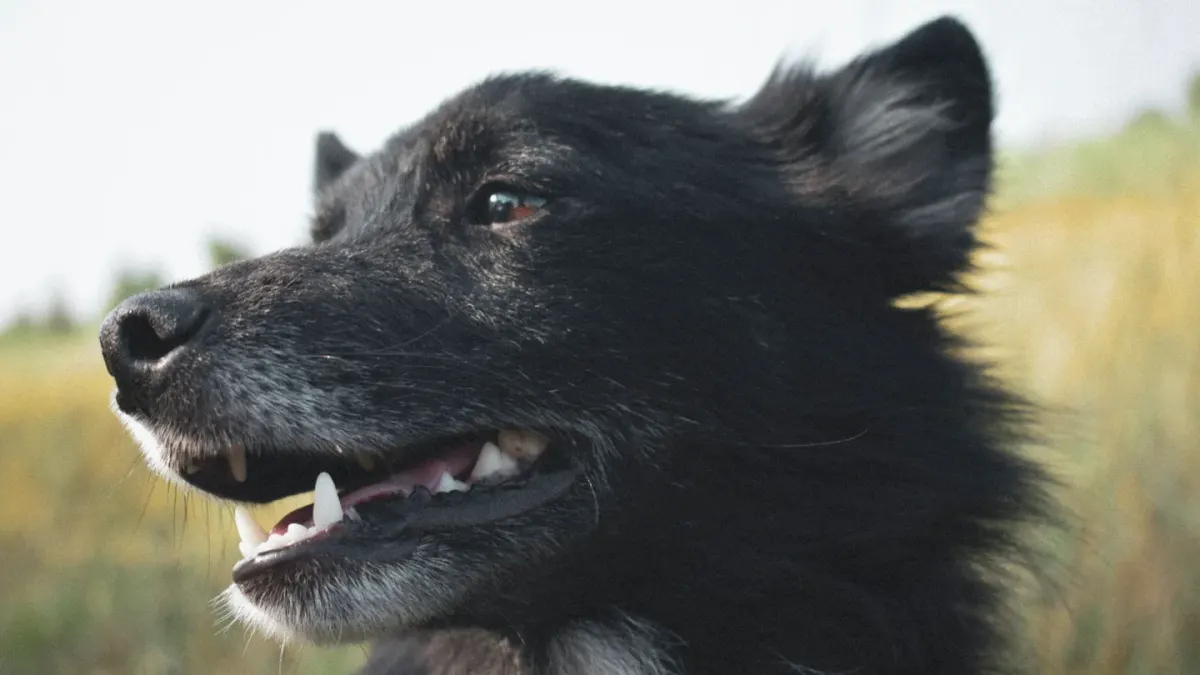
Morning fog hangs over the ball field in Cape Coral, Florida, and Beignet, a 12-year-old intact female Brittany, still wants her three-block loop. Her owner Erin says the change was not dramatic — just a longer lie-down after fetch, about 20 extra minutes before Beignet asked for dinner. That kind of note is exactly what large aging cohorts are built to catch.
My verdict is direct: owner-reported function beats owner-reported diagnosis for tracking aging in big dogs. A TCVM pattern of Kidney Jing decline with Qi deficiency plus a Western read of reduced load tolerance and slower recovery tells the story earlier than a label does. Supplements may help support normal cellular function, but they do not replace load tracking.
Checklist: what to log if you want your notes to matter
- Weekly load: minutes of hard exercise, distance, surface, and rest days
- Recovery window: time to normal breathing, stiffness the next morning, skipped meals
- Function, not feeling: stairs climbed, speed to stand, play bouts per week
- Body condition and weight monthly, with photos from the same angle
- Vet-verified events only: diagnoses, drugs, dental work, heat cycles
- Diet and chews as fed amounts, not brand promises
The starting line: why projects ask owners first
No lab can follow 50,000 dogs home. The University of Washington-led Dog Aging Project does it by pairing annual owner surveys with veterinary records, activity data, and biosamples from a subset. Owners report environment, diet, exercise, and health history; researchers then test which patterns predict frailty, cognitive change, and lifespan.
That design is deliberate. In performance terms, tissue tolerance fails before imaging changes. An owner who notes that a dog now needs help into the truck notices load intolerance in real time.
The same logic drives the Golden Retriever Lifetime Study run by the Morris Animal Foundation, which follows more than 3,000 Goldens from puppyhood with yearly owner and veterinarian questionnaires plus samples. Cancer, weight trajectory, activity, and reproductive history get tracked together.
Data-minded does not mean cold.
Load, tolerance, recovery: what owner cohorts keep showing
Three signals repeat across cohorts.
First, weight matters more than owners expect. Dogs that stay lean through midlife keep mobility longer. In TCVM terms, excess Damp taxes Spleen Qi; in Western terms, every extra pound raises joint load and shortens the recovery window.
Second, consistency beats intensity. Dogs with steady moderate activity hold function better than weekend warriors with the same weekly minutes. Ligament, tendon, and cartilage adapt to graded load and detrain fast.
Third, early slowing is subtle. Owners log fewer play invitations, slower stairs, and longer naps before they log lameness. That maps to what neurologists describe in Dog Hind Leg Weakness: A Neurologist’s Triage Checklist for What’s Actually Going On — strength and proprioception fade as a pattern, not a single event.
Vets often see the same arc in senior sporting dogs: the drive stays high while recovery stretches.
Where I land, and where owner data stops winning
I land on function-first tracking plus food therapy and condition-appropriate support, with acupuncture and Chinese herbs considered by pattern when a trained veterinarian recommends them. That combination may help support mobility and help maintain everyday vitality without promising reversal.
The counterargument deserves plain weight. Owner surveys carry recall bias, breed bias, and healthy-owner bias. People who enroll stay engaged, weigh food more carefully, and visit the vet sooner.
Owner data stops winning at diagnosis.
It cannot sort cruciate rupture from degenerative myelopathy from hip osteoarthritis by questionnaire alone. It also cannot set training volume. That call belongs to the attending veterinarian or canine sports-medicine specialist, not to an article.
For energy fade specifically, pair your log with How to Help a Senior Dog Regain Lost Energy Safely and a vet exam before changing food or workload.
How to make your own log research-grade
Keep it boring. Same scale, same time of day, same observer.
Log standing speed on a 1-3 scale, stairs without stopping, and minutes until the dog settles after hard work. Note heat, humidity, and surface — Florida sand and Ohio ice load the same dog differently. Blondie, a 10-year-old spayed female Cairn Terrier from Akron, Ohio, showed this well when her owner Kelsey tracked that a half-mile sidewalk walk took 22 minutes in January versus 16 in May; the gap prompted a vet check, not a supplement swap.
Bring numbers, not conclusions, to the visit. Weight trend over six months, resting respiratory rate, and a two-week activity diary help a clinician separate normal aging from disease faster than any ingredient list.
For breed context on how long that arc usually runs, see What a Realistic Healthy Lifespan Looks Like for Your Dog’s Breed.
Owner notes will never replace bloodwork or gait analysis. They tell researchers — and your vet — where to look first.
Sources
- The Dog Aging Project — University of Washington
- Golden Retriever Lifetime Study — Morris Animal Foundation