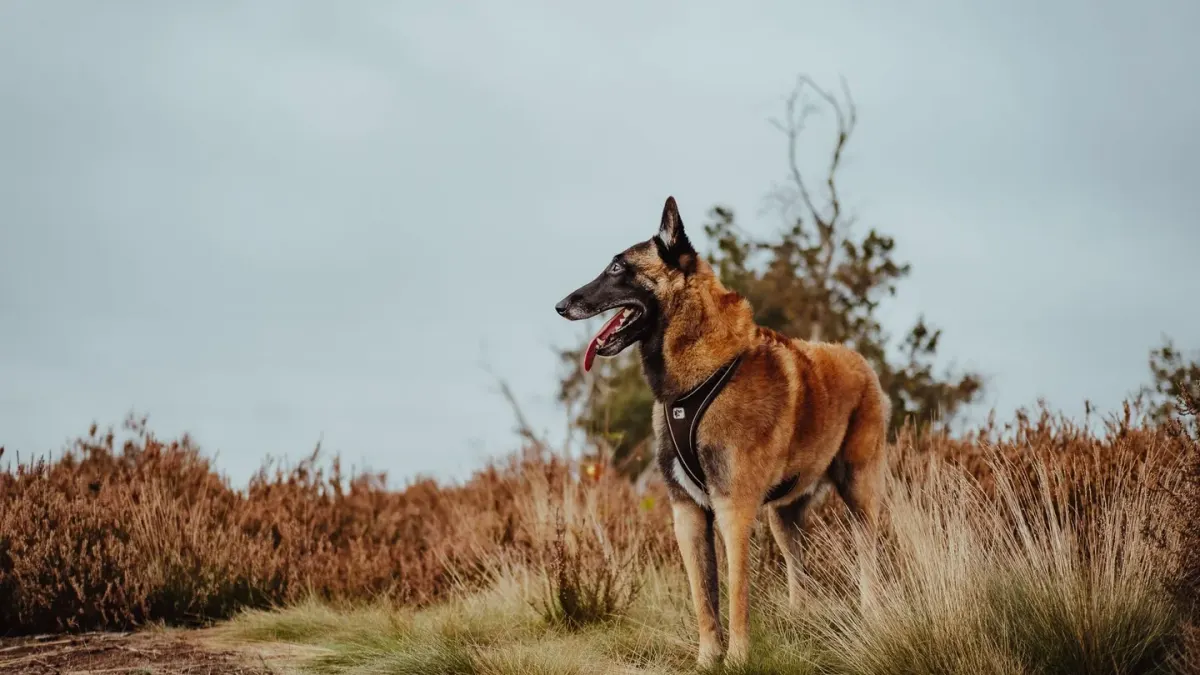
Morning trailhead, 6 a.m.: a wire-coated head locks onto a rustle in the brush, body vibrating before the owner has unclipped the leash. That freeze-point-pounce sequence is the terrier signature, and for an active home it is either perfect motivation or a daily management job.
My take for active owners is direct: choose by original work, not by size or cuteness. Earth-working types need digging and short-burst chasing, bull-and-terrier types need structured strength work and recovery, and larger working terriers need endurance with clear off-switch training. When the outlet fits, tissue tolerance and behavior both hold up better. When it does not, no amount of weekend hiking fixes the week.
Quick match checklist for active homes
- What was the job? Below-ground hunters, bull-type athletes, or farm all-rounders need different outlets.
- What is the load profile? Sprint-and-wrestle bodies recover differently than trot-all-day bodies.
- How much vocal, chase, and dig drive can you live with? Expectation first prevents rehoming later.
- What coat and joint maintenance fits your week? Wire stripping, skin checks, and conditioning baselines matter.
- What training structure will you keep for 10+ years? Terriers keep score when rules drift.
The American Kennel Club groups terriers by this earth-going and farm-work history, which is still the best predictor of what an active pet will want to rehearse in your yard.
Small earth workers that play like sprinters
Jack Russell-type terriers, Russell Terriers, Parson Russells, Cairn Terriers, and West Highland White Terriers were selected to find, bark at, and bolt small quarry. That means high repetition, high voice, fast recovery, and a strong opinion about squirrels.
For runners and agility homes, this group offers huge engine per pound. VCA Hospitals describes the Jack Russell-type dog as athletic, vocal, and best suited to owners who can provide consistent training and daily vigorous outlets. In practice, that translates to fetch intervals, flirt-pole sets with rest breaks, scent games, and a legal place to dig like a sandpit.
Preventive lens: set a baseline early. Note resting breathing, normal gait after play, nail and pad condition, and dental crowding in small mouths. Small terriers load joints with jumping more than mileage, so manage jump height, slippery floors, and repetitive ball-chasing volume. Keep sessions short and frequent rather than one exhausting weekend blast.
Bull-and-terrier athletes that need structured strength
American Staffordshire Terriers, Staffordshire Bull Terriers, and Bull Terriers bring muscle, confidence, and people-focus. They often love weight-pull foundations, obedience, rally, and controlled tug as skill work, not just free-for-all wrestling.
They can be wonderful active companions when training load is planned. Keep it preventive: warm-up walks, skill blocks, then cool-down sniff walks, with recovery days built in. Watch for skin irritation in short coats, monitor body condition by ribs and waist rather than scale weight alone, and keep nails short to protect toe loading during turns.
Expect dog-selectivity in some individuals as they mature. That does not rule out an active life, but it changes logistics: choose wider trails, practice neutral passing, and build a rock-solid recall and settle on mat before you need them.
Mid-size and large farm terriers built for all-day trot
Airedales, Irish Terriers, Soft Coated Wheaten Terriers, and Standard Schnauzer-type farm dogs were generalists: guard, hunt, and accompany. Many settle better on long hikes than the earth-workers, though they still need a job for the nose and brain.
This is where active families often find the sweet spot. An Airedale who gets a 45-minute hike plus 10 minutes of search games is usually calmer than a smaller terrier who only got a leash walk around the block. The tradeoff is coat and size: furnishings mat, beards trap moisture, and a 50- to 70-pound dog pulls harder when aroused.
Vets often see shoulder and carpal soreness in these dogs after sudden mileage jumps. Hold a steady weekly baseline and change only one variable at a time.
How to read drive before you commit
Behavior predicts load tolerance as much as muscle does. The Merck Veterinary Manual frames problem behaviors as normal behaviors expressed without an appropriate outlet, which fits terriers perfectly. Barking, chasing, digging, and grabbing are not flaws; they are the work looking for a place to happen.
Ask the rescue or breeder for specifics you can act on:
Questions that reveal the real dog
- How many minutes of sniffing, chasing, or tugging settles this dog for two hours?
- What triggers loss of recall: squirrels, bikes, other dogs?
- Where does this dog dig or chew when understimulated?
- How does this dog recover after hard play: panting duration, next-day stiffness, appetite?
If you live in an apartment, that last question matters as much as size. A calm Bull Terrier type with a training plan may succeed where a vocal earth-worker struggles, even though the latter is smaller. For more on small-body tradeoffs, compare Yorkie vs Maltese: Which Small-Breed Body Actually Holds Up Better? and Best Dog Breeds for Apartment Living: What Actually Predicts Success.
Building the weekly outlet that keeps joints and behavior sound
Think in tissue terms. Sprint, jump, and wrestle loads stress tendons and growth plates differently than steady trotting. Young terriers especially need varied surfaces, limited repetitive jumping, and protected rest while growth plates close — timing your veterinarian can confirm on exam and radiographs when indicated.
A workable template for most healthy adult terriers:
- Daily decompression sniff walk, 20 to 30 minutes on a long line where safe
- Three to four skill days: recall, settle, loose-leash segments, plus nosework or agility foundations
- Two conditioning days: hills, fetch intervals, or hiking, scaled to the individual dog
- One true rest day with chewing, licking, and digging-box enrichment
Keep timelines realistic. A new rescue often needs three to six weeks to show true energy level, and behavior support may help maintain gains over months, not days.
That structure also helps multi-dog homes. Owners weighing herding energy against terrier energy can compare notes in Border Collie vs Australian Shepherd: Which Working Dog Fits Your Training Load?.
Which type fits which active home?
Trail and camping families: mid-size farm terriers and larger Airedale-types often match best if you can handle coat care and leash strength.
Runners and agility competitors: Russell-types and Parson-types offer speed and stamina, with the caveat of chase and voice.
Strength-sport and obedience homes: bull-and-terrier types thrive with clear rules, progressive conditioning, and social management.
Busy but active households: consider whether a lower-maintenance companion fits better before committing to terrier intensity. See Best Low-Maintenance Dog Breeds for Busy People: What Actually Predicts Success.
Terriers reward owners who plan like coaches.
Your next practical step is simple: write down the outlet you will provide on a tired Tuesday in February, then pick the terrier type whose original work fits that list. Coat fades from memory; drive does not.
Frequently asked questions
Are terriers good dogs for first-time owners who are very active?
Some can be, especially people-focused bull-types with training support, but most earth-working terriers are a lot of dog per pound. Expect daily training, chase management, and a digging outlet for the life of the dog.
How much exercise does a terrier need each day?
Most healthy adult terriers do best with 45 to 90 minutes of mixed activity plus brain work, split across the day. Build mileage gradually and ask your veterinarian to set limits for puppies, seniors, or dogs with joint disease.
Do terriers get along with other dogs and cats?
It depends on type, socialization, and individual history. Many terriers have strong chase drive toward small animals, and some bull-types become dog-selective with maturity. Supervise, train recall and settle early, and manage the environment.
Sources
- Terrier Group Overview — American Kennel Club
- Jack Russell Terrier Breed Overview — VCA Hospitals