On this page
You’ll know your dog’s harness fits right when movement stays free and pressure stays off soft tissue.
A 3-year-old 48-pound pit mix came in for vaccines last spring, harness still on from the car ride, tail thumping against the exam table. Her owner said walks had gotten shorter over the past two weeks, not because of energy but because of rubbing. Under the front strap I could see a clean, hair-thin line of broken coat behind both elbows, and she shortened her stride when I lifted the chest piece to watch the shoulder. We loosened one adjustment, shifted the chest ring down a finger-width, and rechecked her trot down the hallway. That 14-day history of chafing told us more than any size chart, and it set the plan: fit for tissue tolerance, not just for staying on.
The verdict from practice: fit protects stride and skin
A harness is a load interface. It decides where leash force goes across the sternum, ribs, and shoulder muscles, and how much skin and coat have to tolerate with every pull.
My position from day-to-day practice is simple: prioritize free shoulder motion and even pressure over a snug, no-slip feel. If the harness restricts the scapula, presses the trachea, or saws at the axilla, recovery between walks gets harder even if mileage stays the same. I would change that view if controlled gait data showed dogs move symmetrically with restricted shoulder straps, but current fit guidance points the other way, toward clearance and distribution.
That means I accept a harness that can shift a half-inch but never one that migrates into the throat or elbows.
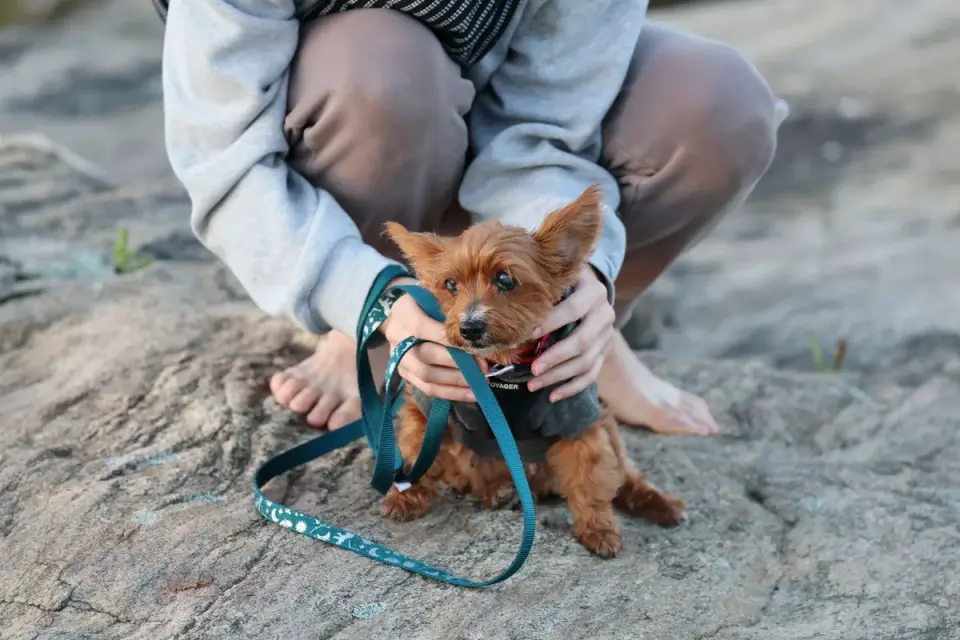
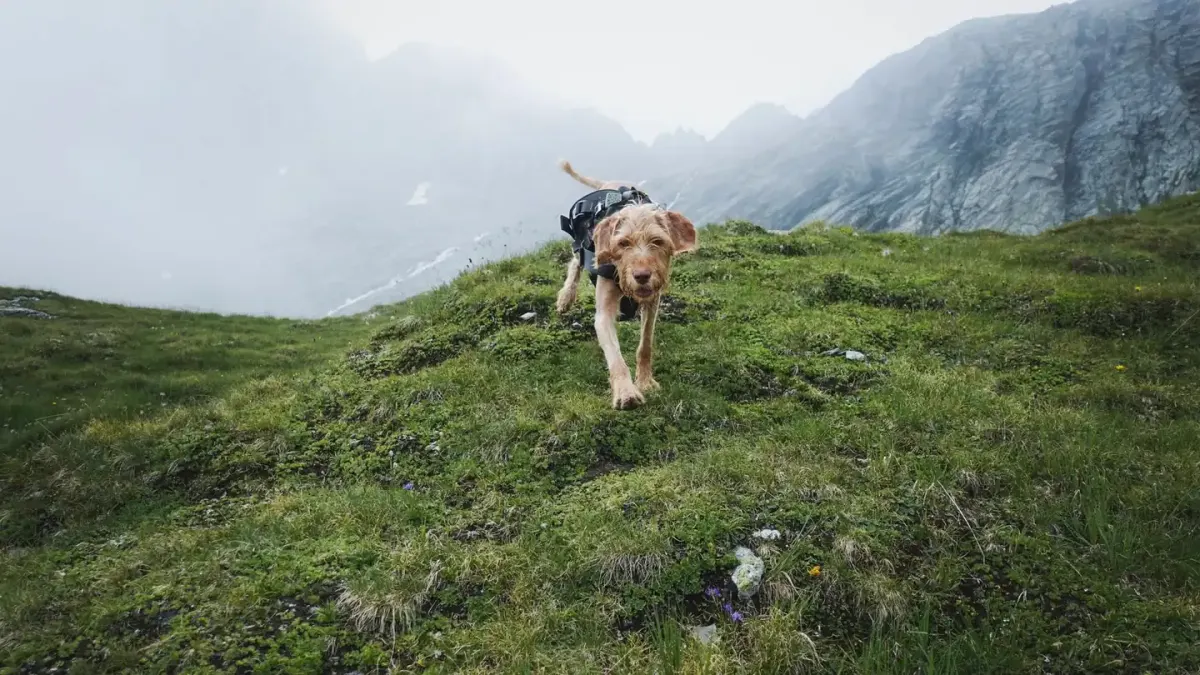
What right looks like versus what almost-right looks like
Clearance in front, contact on bone
In a Y-front, the center strap should sit on the sternum, not in the soft groove above it. In an H-style or vest, the neck opening should encircle the base of the neck without pressing the windpipe when the dog looks up for a treat. You should slide two flat fingers under every strap without lifting the webbing away from the body.
Freedom behind the elbow
Watch from the side at a walk. The vertical strap should sit at least two finger-widths behind the elbow crease, leaving the foreleg to swing forward. If the edge disappears into the armpit, expect friction alopecia and a choppy stride.
Even, quiet contact
Right looks boring. No twisting, no gaping at the back, no single pressure line. Almost-right looks secure in the living room and then fails under load.
The right setup spreads force. The almost-right setup concentrates it.
Five signs the fit is working against the dog
1. Chafing, bald lines, or sores behind the legs
Friction shows first where skin is thin. Look for pink skin, broken hairs, or a raised welt after walks, especially in short-coated dogs. Home care and prevention matter here: rinse grit after sandy outings, dry the axillae, and recheck after coat changes. Guidance like Ruffwear on harness placement supports keeping straps off soft folds rather than cinching tighter.
2. Coughing, gagging, or neck pressing
A front strap that rides high can load the trachea when the dog hits the end of the leash. If your dog coughs only in harness and not on a flat collar check, suspect neck pressure, not attitude.
3. Shortened stride or elbow flare
Shoulder restriction is subtle. The dog may paddle the elbows out, skip the normal reach, or refuse to trot. Compare with off-leash movement in a safe area; loss of reach in harness is a fit clue. For more on how attachment point changes shoulder load, see Front-Clip vs Back-Clip Dog Harness: What the Biomechanics Actually Say.
4. Escape attempts or freezing
Backing out is not always a training problem. A loose shoulder opening plus a startle can equal a slip. Freezing can mean brachial pressure. Both deserve a refit before a behavior plan.
5. Twisting, riding up, or heavy panting that resolves off-harness
Rotation under load means the shape does not match the ribcage. Dogs with deep, narrow chests and dogs with barrel chests often need different cuts, and Kurgo emphasizes measuring chest girth and neck rather than going by weight alone for that reason.
Over six walks last fall, a 5-year-old 22-pound French bulldog mix taught his owner the failed version of snugger-is-safer. The vest looked tidy indoors, so she tightened the chest another half-inch to stop a slight spin. By walk four he was lagging at curbs, by walk six he had matching pink rubs behind both elbows and started sitting when the harness appeared. Loosening did not fix the cut; the armholes were simply forward on a wide, low chest. Switching to a Y-front with a lower sternum plate ended the spin without extra tightness, and the rubs grew back over the next three weeks. Tightness had hidden a shape mismatch.
The two-finger check, done under load
Static fitting lies. Dogs stand hollow in exam rooms and then expand, pant, and pull outside.
Measure first with a soft tape: widest ribcage behind the elbows and base of neck, then choose size by the maker chart, not by breed label. Clip in, settle the coat flat, and run two fingers under neck, chest, and girth straps. Then load it. Walk 20 feet, let the dog pull gently toward a sniff, and recheck. Straps that were perfect standing often creep a full inch toward the elbows.
Re-test sit to stand. The chest piece should stay on sternum when the head drops to sniff. If it slides into the throat, the neck is too loose or the style is too short for that torso.
Where the preventive evidence is thin, I say so: there is no universal finger number proven across all coats and builds, and dense undercoat compresses differently than a single coat. Use fingers as a starting support for circulation and comfort, then confirm with movement and skin.
When the usual advice has to bend
Not every dog fits the standard diagram. A 9-month-old 71-pound adolescent Great Dane mix arrived for a nail trim wearing an adult large adjusted all the way down, and his owner worried he was between sizes every eight weeks. Around the clinic loop we watched the back strap tilt and the neck gape, even though the girth measured within range on paper. For the next 10 weeks of growth we kept him in a highly adjustable Y-front with three adjustment points, checked weekly, rather than buying the neater vest he would outgrow. Once his chest depth caught up at just past 11 months, the vest shape finally sat level. Growth, amputation, obesity recovery, and post-surgical body changes all bend the rules the same way: fit the skeleton in front of you, then revisit often.
Dogs that carry weight need the same logic. If you use a pack, fit the harness first, then add load separately; see Should Your Dog Carry Its Own Backpack?.
Foam and fleece can help sensitive skin, but padding does not correct a strap that crosses the shoulder joint. Change shape before adding cushion. And if limping, swelling, breathing difficulty, or non-healing sores appear, have your veterinarian examine the dog rather than iterating at home; organizations such as American Veterinary Medical Association remind owners that equipment should never cause pain or injury, which is a useful stop rule for home fitting.
I keep returning to load and recovery because skin and stride tell on each other. Give the shoulders room, keep force on bone, and let comfort show up as easy walks.
Frequently asked questions
How tight should a dog harness be?
Snug enough to stay on sternum without shifting into throat or elbows, with two flat fingers under each strap, then rechecked while walking on leash.
How do I know if the harness rubs behind my dog's legs?
Look for broken hairs, pink skin, or raised lines in the armpit after walks, plus lagging, sitting when harnessed, or licking the area.
Should a harness restrict shoulder movement?
No. The foreleg should reach forward freely at a walk and trot; elbow flare or shortened stride suggests the strap crosses the shoulder.
Sources
- Dog Harness Fit Guide — Ruffwear
- Dog Harness Sizing Guide — Kurgo
- Pet Owner Resources — American Veterinary Medical Association