On this page
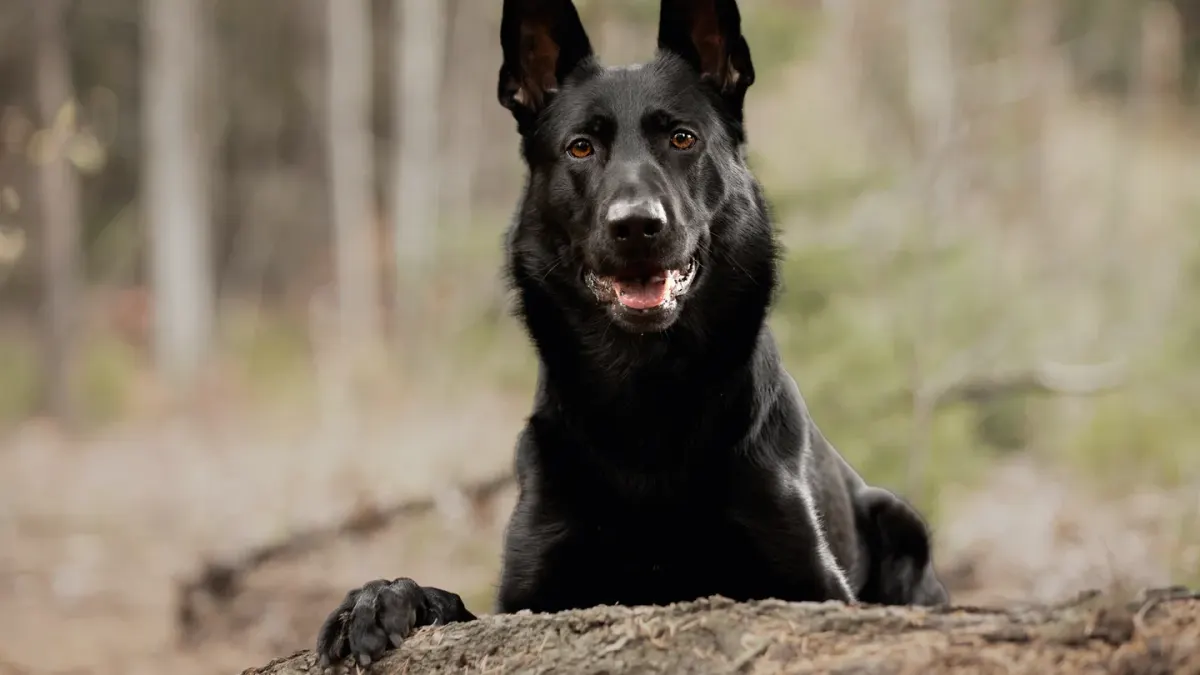
Two neighbors at the park both have big, black-and-tan dogs, and both swear their breed is the easy one to live with. One walks a thick 95-pound Rottweiler who leans into the leash and then naps for three hours. The other jogs with a 75-pound Doberman Pinscher who watches every squirrel like it is a work assignment. They look similar at a glance, but the daily load could not be more different.
Here is how I counsel owners choosing between them: pick the Rottweiler if your home can handle more mass, more guarding instinct, and a lower daily mileage requirement. Pick the Doberman if you can offer more aerobic work, more mental reps, and closer attention to cardiac screening. Both are loyal, trainable protection breeds, but they stress a household in different places.
The Saturday-Morning Test
Picture a typical Saturday. The Rottweiler wants a 30-minute walk, some obedience reps, a chew, and then proximity to you. The Doberman wants that walk plus a second session — fetch, nosework, a training class — and still checks in for more.
That difference comes down to build. The Rottweiler Dog Breed Information describes a 80- to 135-pound working dog bred to drive cattle and pull carts, powerful and steady rather than frantic. The Doberman Pinscher Dog Breed Information describes a 60- to 100-pound dog bred for personal protection and trotting alongside, elegant and fast with much less body mass to carry.
Mass matters for joints. More weight means more load per step, especially on shoulders, elbows, and cruciate ligaments, and less margin for excess body condition or slippery floors. Less weight means higher speed and tighter turns, which shifts the risk toward repetitive sprint load and poor recovery between bouts.
Neither breed should be asked to do long, pounding runs while still growing, and your veterinarian should set the conditioning plan. What you can do now is match the adult workload to your life.
My Verdict for Most Homes
For a calm, contained home with a yard and a predictable schedule, I lean Rottweiler. For an active owner who trains daily and wants a running and sport partner, I lean Doberman.
Vets often see Rottweilers struggle when socialization stays narrow in the first year. They may support a stable household well, but unfamiliar visitors, tight hallways, and off-leash greetings raise their arousal fast. Dobermans struggle more with under-employment. Miss two days of training and the pacing, whining, and counter-surfing tell the story.
If apartment life is part of the question, read Best Dog Breeds for Apartment Living: What Actually Predicts Success before you fall for either breed. Both can live in smaller spaces with enough work, but neither is low-maintenance in the way described in Best Low-Maintenance Dog Breeds for Busy People.
Expectation first: neither breed matures into calm on its own at 12 months.
Temperament and Training Load
Both breeds bond hard and guard naturally, which means early, reward-based socialization is preventive care, not optional.
Rottweilers tend to be confident, territorial, and physically persistent. They learn quickly but test boundaries with body weight. Loose-leash skills, settle on a mat, and polite greeting behavior need hundreds of low-stress reps before adolescence.
Dobermans tend to be sensitive, Velcro-like, and quick to read handler tone. They often learn new cues in fewer reps but can become anxious or reactive if training relies on intimidation or long isolation. This is the same reason working-dog comparisons like Border Collie vs Australian Shepherd: Which Working Dog Fits Your Training Load? emphasize daily mental work over physical exhaustion alone.
Plan on a full puppy class plus a second-level manners or sport foundations class for either breed, and keep guarding behavior under the guidance of a qualified trainer.
Health Baselines to Budget For
Both breeds are large enough that joint screening and weight control shape their lifespan. Hip and elbow evaluations, cruciate health, and maintaining a lean body condition score matter more than any supplement choice. The Orthopedic Foundation for Animals maintains the public databases veterinarians use to track hip, elbow, and cardiac results, and asking a breeder for those records is a basic step covered in more detail in How to Research a Dog Breed Before You Adopt.
At a breed level, Rottweilers carry notable risk for hip and elbow dysplasia, cruciate injury, and certain cancers including osteosarcoma. Dobermans carry notable risk for dilated cardiomyopathy alongside cervical vertebral instability, von Willebrand disease, and gastric dilatation-volvulus. That cardiac difference changes the preventive baseline: many veterinarians recommend annual auscultation plus Holter monitoring and echocardiography as recommended for Dobermans, starting early in adulthood.
No baseline guarantees an outcome. It does tell you what to budget — orthopedic imaging and weight management on one side, cardiac screening on the other — and what questions to bring to your first wellness visit.
Which Breed Suits Your Home?
Choose the Rottweiler if you want a heavier, steadier guardian, have space for a 100-pound dog to move safely, and will invest heavily in socialization and leash skills in year one.
Choose the Doberman if you want a lighter, faster partner, can train and exercise most days without fail, and will commit to ongoing cardiac follow-up.
Both need structure, both need work, and both do best with owners who enjoy training as part of daily life. Match the dog’s load to the life you already live, not the life you hope to start.
Frequently asked questions
Are Rottweilers calmer than Dobermans in the house?
Often yes once mature, because Rottweilers were selected for steady power rather than sustained trotting speed. Individual lines vary, and both need training and daily work to settle indoors.
Which breed needs more exercise?
The Doberman usually needs more daily aerobic work and mental training. A Rottweiler still needs walks and obedience reps, but typically recovers well with less mileage.
Which is better for first-time owners?
Neither is ideal for a first-time owner who wants a low-training dog. A Doberman may be easier to handle physically but harder to keep mentally satisfied; a Rottweiler may be steadier mentally but harder to manage physically without leash skills.
Sources
- Rottweiler Dog Breed Information — Rottweiler Dog Breed Information
- Doberman Pinscher Dog Breed Information — Doberman Pinscher Dog Breed Information
- Orthopedic Foundation for Animals — Orthopedic Foundation for Animals