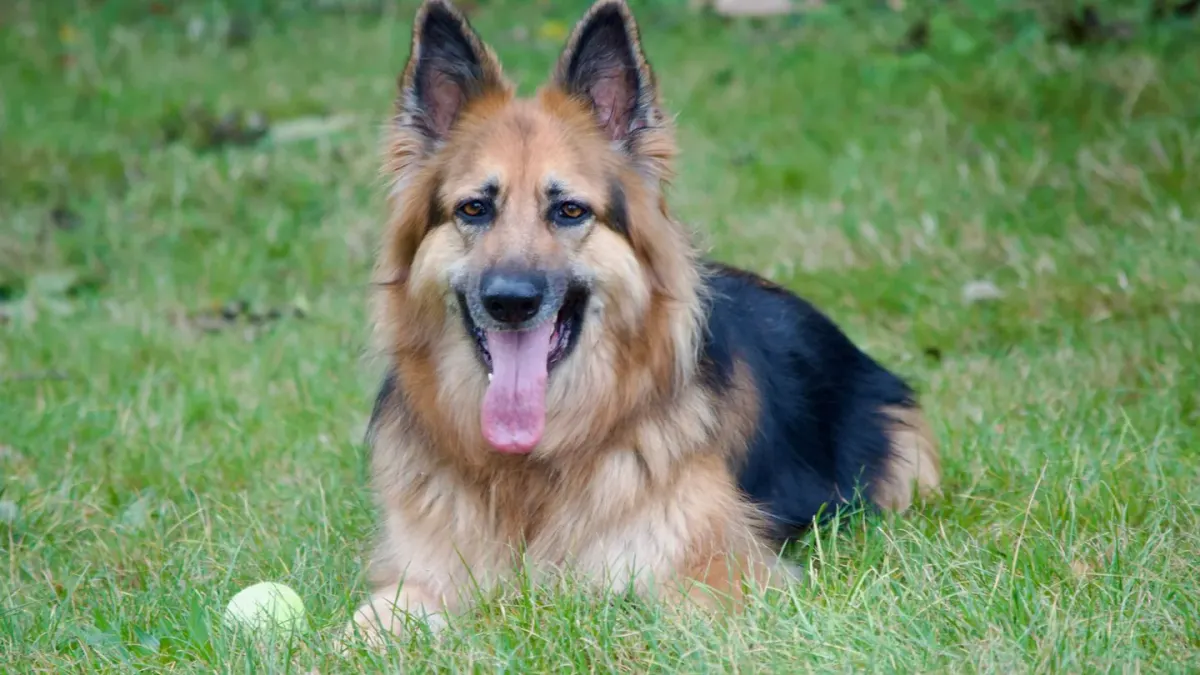
A red merle Aussie spins off the agility A-frame at 7 a.m., eyes locked, already asking for the next rep while you are still catching your breath.
That is the verdict in one picture: choose the workload first and the color second. If you can offer structured work, training, and recovery every day, a red Australian Shepherd can be a brilliant partner. If you want a calm red-coated companion, keep looking.
What red really means under the coat
Red in this breed is not a separate breed or a rare variant. The American Kennel Club describes the Australian Shepherd as a medium-sized herding dog with recognized colors including black, blue merle, red, and red merle, often with tan and white markings.
Think of red as eumelanin turned brown instead of black. Red merle adds the merle patterning gene that dilutes patches to lighter buff and brown. Coat length, shedding, and grooming needs do not meaningfully change between red and black dogs.
You will still brush a medium-length double coat weekly, expect heavier seasonal shedding, and plan for mats behind the ears and britches. Color predicts compliments on walks, not behavior.

The daily load you are actually signing up for
Aussies were selected to gather, drive, and problem-solve for hours. That shows up as stamina, motion sensitivity, and a need to use their brain.
For most pet homes, expect at least an hour of purposeful activity plus several short training sessions worked into the day. Vets often see adolescent Aussies unravel when exercise is only weekend fetch with little structure during the week.
Frame it like conditioning. Hard days need easy days, warm-ups before sprint work, and real rest for tissue tolerance. Talk with your veterinarian or a canine sports-medicine specialist before you raise running mileage, jump height, or agility frequency.
One short truth carries a lot of weight here.
Consistency beats intensity.
Training, herding instinct, and house manners
That stare, crouch, and chase is herding behavior looking for a job. Without direction, it lands on kids, bikes, squirrels, and the vacuum.
Start baseline obedience early, reward disengagement from motion, and give the drive a legal outlet like herding lessons, rally, nose work, or structured fetch with rules. Many owners find that comparison helpful when reading about Border Collie vs Australian Shepherd: Which Working Dog Fits Your Training Load?, because both breeds need a daily thinking job, not just steps.
Prevention matters here. Teach settle on a mat, crate rest on cue, and low-stress handling for nails and ears from puppyhood. You are building recovery skills, not just tricks.
Health screening and the drug-sensitivity check
No color line escapes the breed health picture. The Orthopedic Foundation for Animals notes that hip dysplasia remains a concern in medium and large active breeds, which is why load management and keeping a lean body condition may help support joint comfort over a working life.
Eye checks matter too. The Australian Shepherd Club of America maintains the breed standard and emphasizes health testing, including eye exams, hip and elbow screening, and genetic testing where indicated.
Ask your veterinarian about MDR1 testing before you assume drug protocols. The UC Davis Veterinary Genetics Laboratory offers testing for the multidrug resistance mutation reported in herding breeds, which can affect how dogs handle certain antiparasitic and anesthetic drugs.
That single cheek swab can shape safer prescribing for years.
Can an apartment or busy home make it work?
It can, but be honest about hours, noise, and space. Our look at Best Dog Breeds for Apartment Living: What Actually Predicts Success and Best Low-Maintenance Dog Breeds for Busy People makes the same point: routine and enrichment predict success more than square footage.
If you work long days away from home, plan for a midday break, a training block in the evening, and mental work like scatter feeding or puzzle toys. If barking, nipping heels, or shadowing every step would strain your household, an Aussie will amplify that strain.
A skeptical friend might ask: can I just get a calmer red Aussie? Color does not code for calm. Lines bred for show or companion homes may be steadier than lines bred for ranch or trial work, but every Aussie still needs work. Meet the parents, ask how the breeder matches drive to homes, and budget for classes in the first year.
You will love the red coat. You will live with the drive.
Frequently asked questions
Is a red Australian Shepherd rare?
No. Red and red merle are standard recognized colors. Price or rarity claims usually reflect marketing, not genetics or health.
Do red Aussies shed less?
No. All Aussie colors share a medium double coat with year-round shedding and heavier seasonal blows. Weekly brushing and routine undercoat care apply either way.
How much exercise does an Aussie need daily?
Most need an hour or more of active work plus training and mental enrichment. Your veterinarian can help you set a level that fits age, joints, and conditioning.
Sources
- Australian Shepherd — American Kennel Club
- Hip Dysplasia — Orthopedic Foundation for Animals
- Australian Shepherd Club of America — Australian Shepherd Club of America