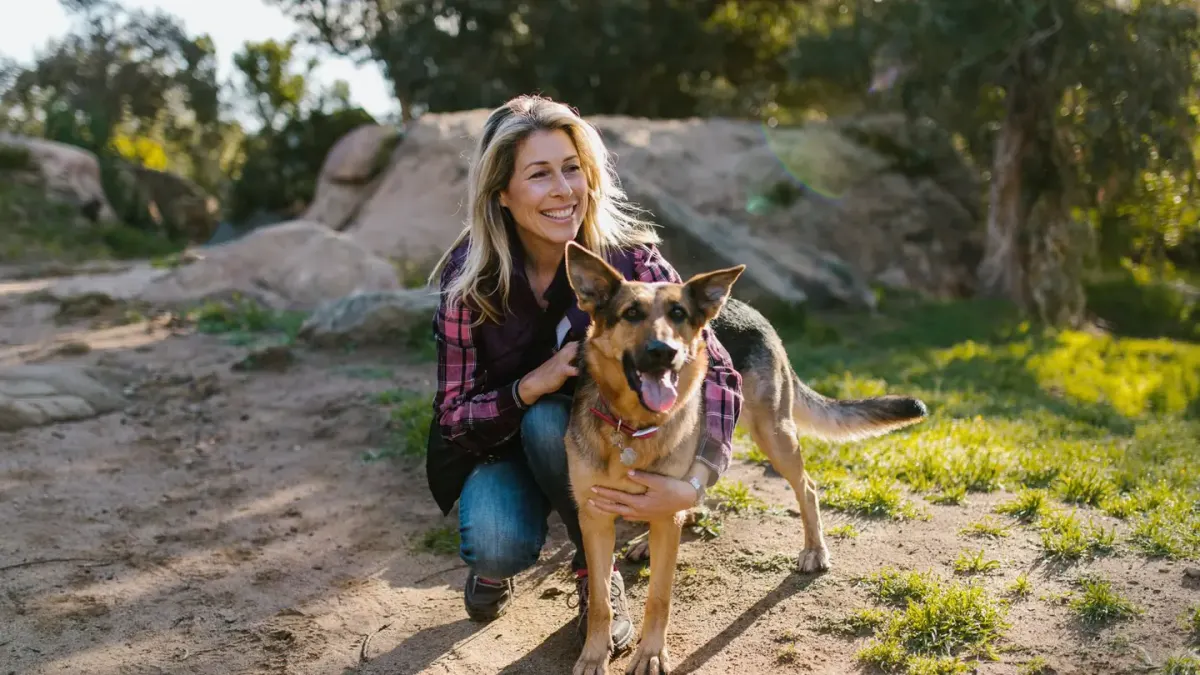
Morning session runs long, the water bowl is half empty, and an agility handler wonders if the leftover breakfast pot can help a hard-working dog refuel. Plain cooked oatmeal can fit that moment, in a small amount, for the right dog.
The short answer for load-carrying athletes: oatmeal adds digestible energy and soluble fiber, but it does not build or protect joint tissue, and it does not replace balanced protein and fat.
Checklist first — use oatmeal only if every box stays checked:
- Plain only: cooked in water, no sugar, xylitol, raisins, chocolate, butter, or seasoned instant packets
- Small topper dose: 1–2 tablespoons for a small dog, up to 1/4 cup for a large active dog, a few days per week at most
- Weight and stool stay steady: no soft stool, gas, itching, or upward weight trend over 2 weeks
- Base diet stays complete: oatmeal stays under 10% of daily calories on top of an AAFCO-balanced food
- Vet clears exceptions: puppies in growth, underweight seniors, diabetic dogs, kidney disease, or grain allergy history
That last point matters because expectation comes first in preventive care. Oatment supports fueling and recovery windows. It does not change tissue tolerance.
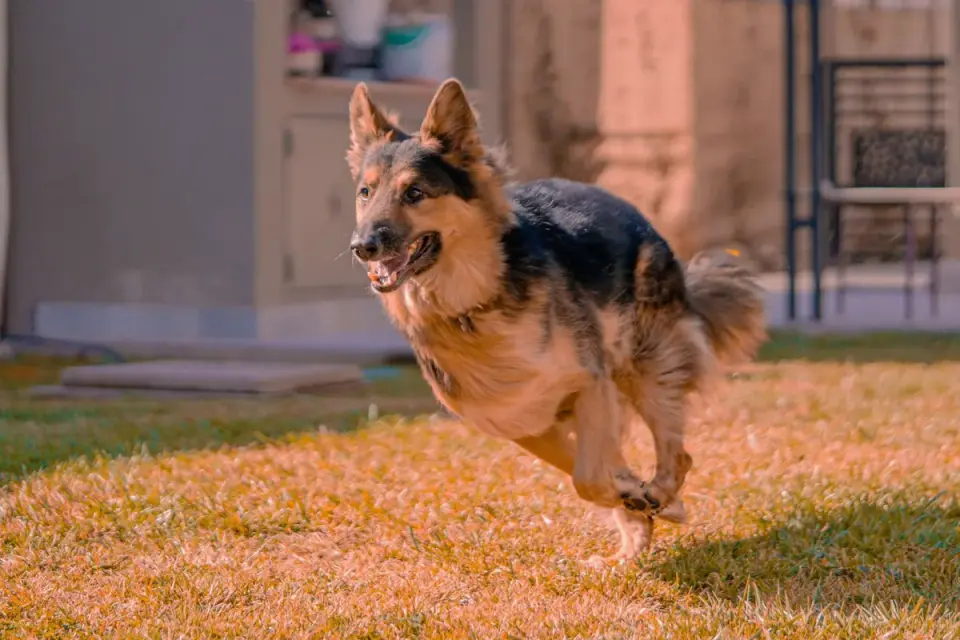
When oatmeal helps an active dog refuel
Oatmeal is mostly starch with some soluble fiber, small amounts of protein, B vitamins, and minerals. For a dog that trains, hunts, pulls, or competes, that profile means quick, digestible energy after work, plus a little bulk that may help support normal stool form.
General feeding guidance from VCA Hospitals keeps the frame clear: treats and toppers together should stay a small share of daily intake so the balanced base diet still delivers essential amino acids, fatty acids, calcium, and phosphorus. Oatmeal fits inside that treat allowance, not beside it.
The Merck Veterinary Manual describes why that base matters: dogs need complete protein for muscle repair and appropriate fat for sustained work, with carbohydrates as an optional energy source rather than a requirement. Plain oats do not supply the protein density a sprinting Border Collie vs Australian Shepherd needs for repeat efforts.
Fiber helps explain the appeal. Oat beta-glucan is a soluble fiber, and fiber guidance summarized by the National Institutes of Health Office of Dietary Supplements notes that soluble fiber holds water and adds bulk. In dogs, owners often see that as firmer morning stool after a heavy training weekend, not as joint protection.
Keep portions honest.
Where oatmeal stops winning
Weight is a joint treatment. Extra carbohydrates raise daily calories fast, and added load shortens comfortable working life more than any single topper extends it. A dog already at the top of body condition score should not get regular oatmeal simply because it sounds wholesome.
Gluten and grain confusion also needs a reset. Oats are naturally low in gluten but are often processed near wheat, and true grain allergy is uncommon compared with environmental allergy. Itchy ears after oatmeal deserve a preventive visit with a diet history, not a long elimination guess at home.
Toppings decide safety. The U.S. Food and Drug Administration lists xylitol, chocolate, grapes and raisins, and other human foods as hazards for pets. That rules out flavored instant packets, sugar-free sweeteners, raisin oatmeal, chocolate chips, and buttery brown-sugar bowls. Cook with water, cool to lukewarm, and serve plain.
Vets often see the same pattern in active households: Munson, a 3-year-old neutered male Staffordshire Bull Terrier mix from Bakersfield, started getting a half-cup of leftover sweetened oatmeal most mornings, and owner Shirley noticed looser evening stool and a 2-pound gain over three weeks. Plain water-cooked oats in tablespoon amounts, tracked against training days, kept the ritual without the drift.
Dogs that need a simpler daily routine, such as many owners choosing among Best Low-Maintenance Dog Breeds for Busy People, usually do better with measured kibble and training treats than with extra cooking projects.
How to serve it without upsetting recovery
Cook plain rolled oats in water until soft, skip milk, salt, oil, and spices, and let the bowl cool fully. Start with one small topper after a normal training day, then watch stool, appetite, itch, and energy for 48 hours before repeating.
Do not use raw dry oats, large volumes, or overnight jars with sweeteners and fruit. Raw oats swell and can irritate the gut, and large fiber jumps often backfire into gas and urgency right before work.
Dogs with diabetes, chronic kidney disease, pancreatitis history, wheat allergy, or puppies needing precise calcium and phosphorus for growth should get individual clearance first. For those dogs, steady fuel beats experimentation.
Oatmeal will not rebuild cartilage or extend a recovery window on its own. Load management, body weight, rest, and a complete diet do that work.
For related context, read Best Dog Breeds for Apartment Living: What Actually Predicts Success.
Frequently asked questions
How much oatmeal can I give my dog?
Keep it as a small topper under 10% of daily calories — often 1–2 tablespoons for small dogs and up to 1/4 cup for large active dogs, a few days per week, then adjust by stool and weight.
Is instant oatmeal safe for dogs?
Plain instant oats cooked in water can be acceptable in small amounts, but most flavored packets add sugar, salt, xylitol, raisins, or chocolate, which are unsafe or unsuitable.
Can oatmeal help with itchy skin or joints?
No. Oatmeal baths differ from oatmeal food, and eating oats does not treat allergy or rebuild joint tissue. Persistent itch, stiffness, or lameness needs a veterinary exam.
Sources
- Nutrition - General Feeding Guidelines for Dogs — VCA Hospitals
- Potentially Dangerous Items for Your Pet — U.S. Food and Drug Administration