On this page
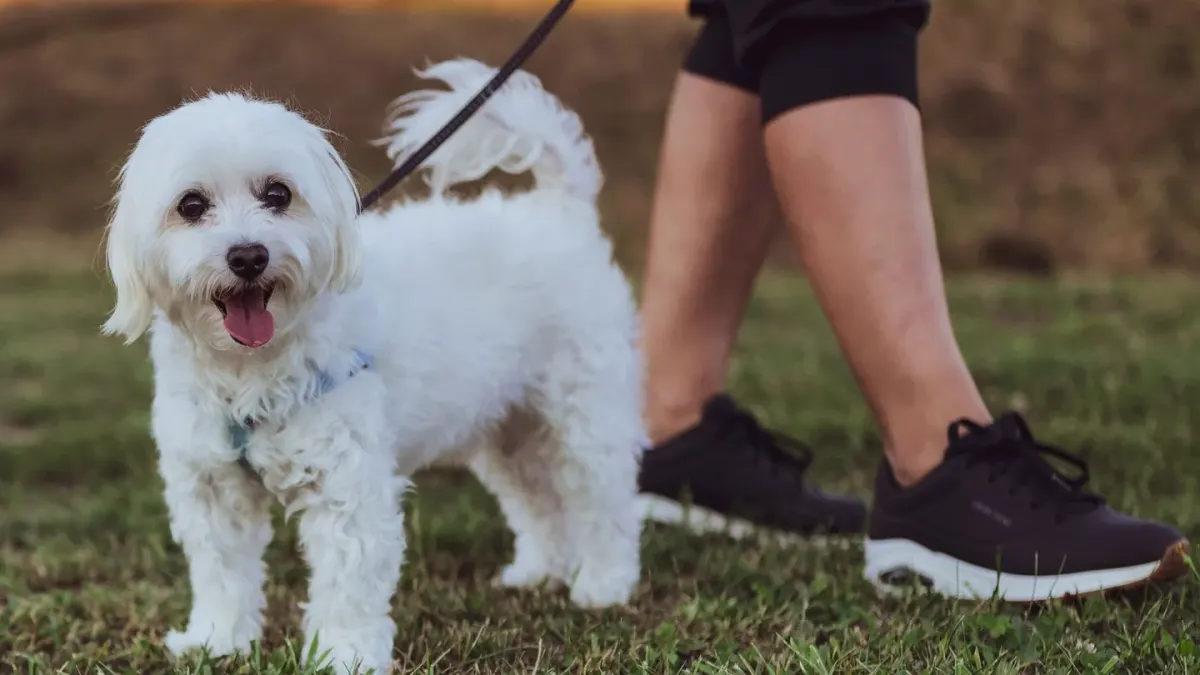
Morning walk in Tempe, Arizona, and Monica can feel every lunge travel straight up the leash to Joanie, her 6-year-old spayed female Pembroke Welsh Corgi mix. Joanie coughs once at the end of a 20-foot retractable line, then pulls harder, and Monica wonders if the collar itself is part of the problem. That question is the right starting point: a humane collar is defined by how it works and how well you use it, so the best choice is the one that lets you communicate without pain or fear.
For active dogs, think in load terms. The neck carries the trachea, esophagus, thyroid, lymph nodes, and major vessels in a small area with little tissue tolerance for repeated pressure. A humane setup keeps peak load low, spreads contact, and supports learning that may help maintain calm leash behavior over time.
The humane-collar checklist — what to look for first:
- Wide, flat contact that spreads load instead of a thin edge
- No pain, choke, pinch, or shock mechanism
- Two-finger fit you recheck, with room for panting and head movement
- Secure closure and a separate ID tag that will not tighten the collar
- Handler plan that rewards position instead of correcting with leash pops
- Willingness to switch to a harness when pulling, coughing, or neck disease is present
The 5-point check that keeps neck load low
Flat buckle collars, rolled leather collars, wide martingale-style collars with limited closure, breakaway collars for ID, and head halters used as guides all can qualify when they meet the checklist. Vets often see irritation where a narrow nylon edge sits over the same spot every day, especially in short-necked dogs like Joanie.
In practice, width and padding matter more than marketing language. A 1- to 1.5-inch flat strap spreads force across more skin than a thin cord, and smooth edges may help maintain healthy skin during long walks. Check fit with two fingers flat under the strap, then watch the dog pant, sniff, swallow, and shake. If the collar rides up behind the ears or traps a cough, loosen, reposition, or change tools.
The American Veterinary Society of Animal Behavior emphasizes training and handling that avoids fear and pain, which is the clearest public standard for what counts as humane. That principle applies to collars too: communication should not depend on discomfort.
Why the neck sets the limit for active dogs
Dogs that run, hunt, pull, or compete already load the neck during sudden stops, turns, and scent lunges. Add a collar that tightens with pull and peak pressure rises fast.
In day-to-day practice, the warning signs are consistent: coughing on leash, gagging when lunging, pawing at the collar, reluctance to walk, or hoarseness after a hard outing. Those signs do not diagnose tracheal collapse or laryngeal disease, but they mean the current setup exceeds tissue tolerance. Talk with your veterinarian before the next hard session, and consider whether a Front-Clip vs Back-Clip Dog Harness: What the Biomechanics Actually Say would manage load better for that dog on that day.
Pressure is not the whole story.
What still counts as humane, and what does not
Humane means no intentional pain, fear, or airway restriction to stop pulling. Flat and rolled collars for ID and light guidance qualify. A wide martingale that stops at a fixed, loose diameter can qualify for narrow-headed dogs that slip flat collars, as long as it cannot choke.
Choke chains, prong collars, and shock collars do not meet that definition, even in experienced hands. The American Veterinary Medical Association encourages positive, reward-based training approaches for pet owners, and prevention supports that direction. A tool that must cause discomfort to work is not a communication tool.
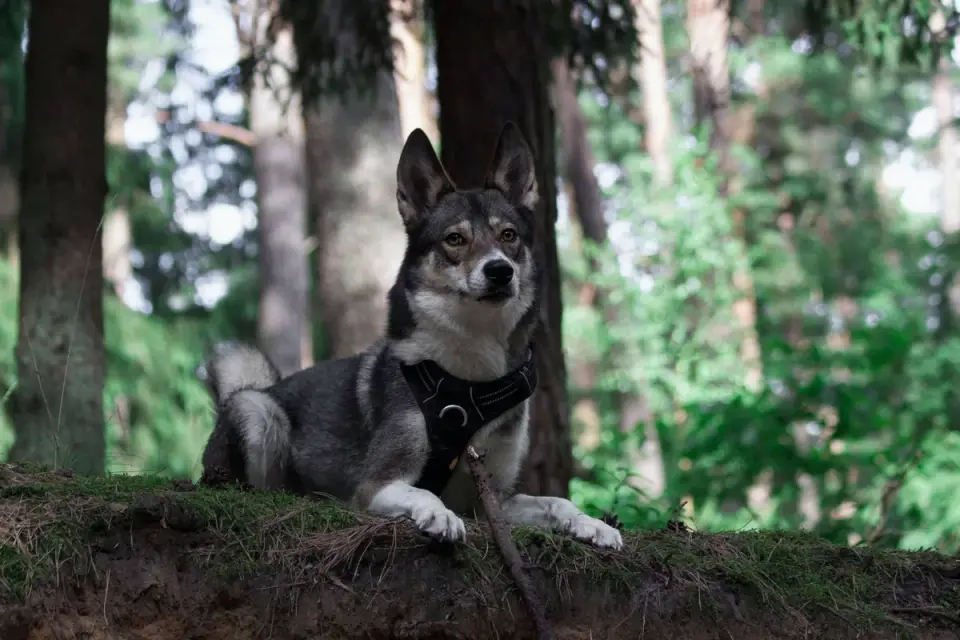
Head halters sit in the middle. They do not cause pain when fitted and introduced well, but they steer the head and need conditioning. Keep the leash loose, pair wear with treats, and never jerk or tie out on one. For dogs that panic with face handling, skip this option and use a well-fitted body harness instead.
Julie learned the same lesson with Dixie, her 4-year-old spayed female German Shorthaired Pointer mix in Naperville, Illinois. Dixie pulled hardest in the first half-mile, then settled after about 10 minutes of sniff-and-reward intervals. Julie kept a flat collar for tags and moved guidance to a front-clip harness, which let her reinforce position without loading the throat.
Fit and handling that keep pressure humane
Good handling matters as much as good gear. Fear Free, LLC promotes handling that lowers fear and stress during routine care, and leash handling benefits from the same mindset: slow approaches, predictable cues, and short, rewarded reps.
Use this routine:
- Clip the leash to the collar or harness, then stand still until the leash softens before moving.
- Reward two to three steps at your side, then release to sniff as the payoff.
- Stop or change direction when the leash tightens; resume when the dog checks back.
- Keep sessions short — five minutes of clean reps beats a mile of dragging.
- Remove collars for crate time and rough play, and recheck fit monthly. A How to Size a Crate for Your Dog routine is a good reminder to separate walking gear from resting gear.
Be honest where the preventive evidence is thin. No collar trains a dog by itself, and switching tools without changing reinforcement rarely holds. If pulling persists, if the dog coughs, gags, or goes hoarse, or if you are considering an aversive tool because walks feel unsafe, ask your veterinarian for a referral to a reward-based trainer or sports-medicine specialist. For dogs that also carry weight on trail, the same load logic in Should Your Dog Carry Its Own Backpack? can help you weigh added load against fitness.
Choose the setup that lets the neck stay quiet and the dog stay willing.
Frequently asked questions
What is the most humane collar for everyday walks?
A wide, flat buckle or rolled collar with a two-finger fit works for calm walkers and holds ID well. If your dog pulls, coughs, or lunges, a well-fitted harness usually manages neck load better than any collar.
Are martingale collars humane?
A martingale with a fixed stopping point can be humane for dogs that slip flat collars if it stays loose and never chokes. Avoid any version that continues to tighten, and switch to a harness if pulling persists.
When should I skip a collar for guidance?
Skip collar guidance if your dog coughs, gags, paws at the neck, resists walks, or has known tracheal, laryngeal, eye, or neck disease. Use a flat collar for ID and a harness for leash attachment until your veterinarian advises otherwise.
Sources
- Position Statements — American Veterinary Society of Animal Behavior
- Pet Owner Resources — American Veterinary Medical Association
- Home — Fear Free, LLC