On this page
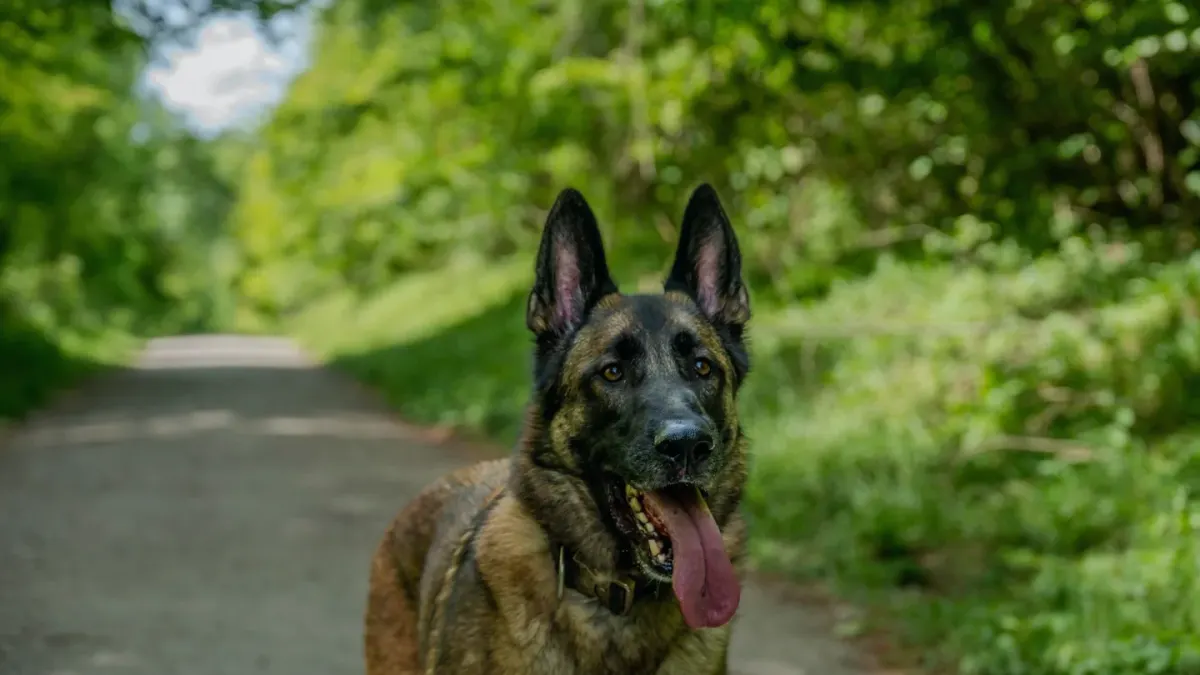
A dry October trailhead, a shake after the run, and a cloud of undercoat lifts off a double-coated dog and settles over the truck seat, the leash, and your leggings. For owners of dogs that train, hunt, or compete, that moment feels like a problem to solve.
It is not solvable in the way products promise. Shedding is normal turnover of hair follicles, and my recommendation is expectation first: feed a complete and balanced diet, brush on a routine that matches the coat, and keep parasite prevention and skin checks current to may help support normal skin and coat. Anyone selling an end to shedding is overselling.
Why active coats shed on schedule
Hair grows in phases — growth, regression, rest, then release — and daylight, temperature, breed genetics, and hormones set the pace. As VCA Hospitals notes, most dogs shed year-round with heavier seasonal turnover in spring and fall, especially double-coated breeds built for outdoor work.
Activity does not create the cycle, but it makes it visible. Field time, wind, friction from a harness, and rolling after work all free the hairs already in the resting phase. Vets often see concern spike when a young sporting dog blows coat for the first time, or when an older athlete’s coat looks thinner after a hard season. The baseline question is always the same: is this expected turnover, or is the skin itself irritated, inflamed, or infected?
You cannot brush your way out of biology.
The three levers that lower loose hair
For load-minded owners, think of coat care like recovery science. You support tissue tolerance — here, skin barrier and follicle — with steady inputs, not a single fix.
1. Fuel the skin from the bowl
Skin is metabolically expensive. A diet formulated to meet AAFCO profiles for the dog’s life stage provides the protein, zinc, vitamin A, and essential fatty acids needed for normal keratinization and barrier function. When intake falls short, coat quality is often an early signal.
Omega-3s get the most attention. The National Institutes of Health Office of Dietary Supplements describes EPA and DHA as structural fats involved in cell membranes and inflammatory pathways, which is why veterinary nutritionists study them for skin support. Evidence in dogs suggests fish-oil supplementation may help support skin hydration and coat quality in some dogs, but doses vary by product concentration and body weight, and excess fat can upset the gut. Ask your veterinarian what total EPA plus DHA makes sense for your dog rather than pouring from the human bottle.
What would change my mind is a large, long-term trial in active breeds showing one nutrient stops seasonal shedding. Current evidence does not show that. It shows support for normal structure, not control of the cycle.
2. Brush with the growth cycle, not against it
Regular removal of dead hair is the most reliable way to see less hair on the floor. The American Kennel Club outlines coat-type basics that still guide my counseling: slicker brushes and undercoat rakes for dense double coats, bristle or rubber curry for short coats, and wide-tooth combs for long, silky coats prone to mats.
For active dogs, frequency matters more than force. Two to three short sessions per week during heavy shed season, plus a check for burrs, foxtails, and mats behind the ears and in the armpits after fieldwork, keeps airflow to the skin and lets you feel lumps, hot spots, or flea dirt early. Bathe only as needed with a dog-formulated shampoo, rinse fully, and dry completely — trapped moisture under dense coat irritates skin faster than dirt does. Coat genetics set the ceiling here; a low-shedding cross is not low-maintenance by default, as explained in Do Goldendoodles Shed? What the Coat Genetics Actually Say.
3. Rule out parasites and irritation first
Itchy shedding is different from clean shedding. Fleas, sarcoptic mange, bacterial or yeast overgrowth, and allergies increase licking, chewing, and secondary hair loss, and hard-working dogs pick up ticks and contact irritants at higher rates. Year-round prevention as directed by your veterinarian, plus prompt exams for bald patches, crusts, odor, or broken hairs, protects both skin and training consistency.
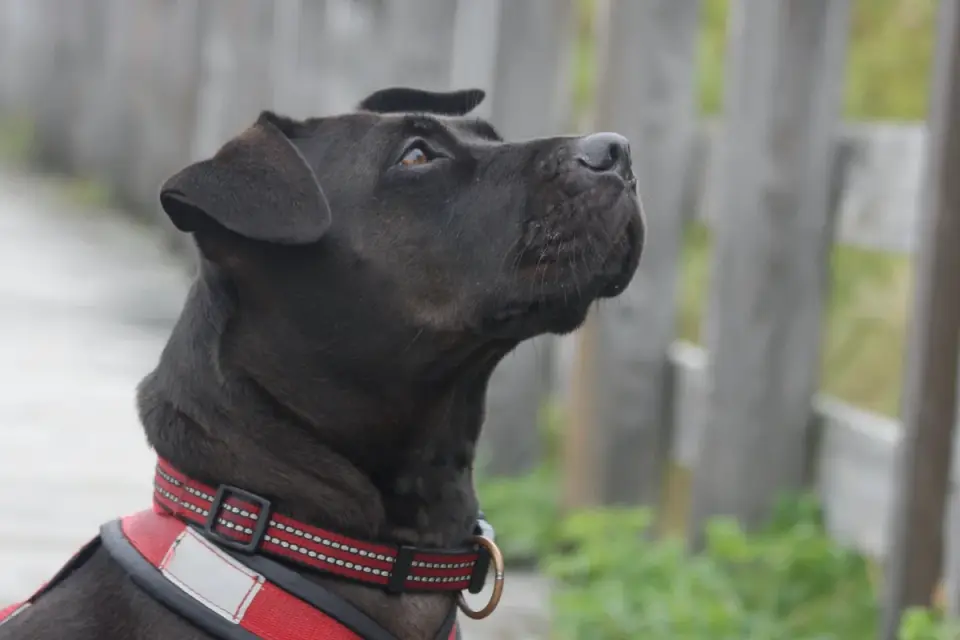
Breed workload shapes where to look. High-drive herders that cover miles daily, compared in Border Collie vs Australian Shepherd: Which Working Dog Fits Your Training Load?, often show harness rub along the chest and flanks that owners mistake for systemic loss. A well-fitted harness and rotation of rest days, decided with your vet or sports-medicine clinician, may help support skin comfort without changing the diagnosis.
When shedding stops being normal
Call your veterinarian promptly for sudden bald spots, symmetrical thinning, intense itch, redness, scaling, odor, or shedding paired with lethargy, weight change, or appetite change. Those patterns point beyond seasonal turnover toward thyroid disease, Cushing’s disease, infection, or other medical causes that need testing, not a supplement. Bring a timeline: when the increase started, diet or prevention changes in the last eight weeks, and photos in the same light every two weeks.
Coat expectations should also fit lifestyle. Owners weighing apartment routines can find useful context in Best Dog Breeds for Apartment Living: What Actually Predicts Success, because energy budget and grooming tolerance predict satisfaction better than size alone.
What I would not buy
I do not recommend deshedding injections, high-dose oil drenches, or tools that cut live coat to the skin. Stripping the undercoat damages insulation and invites sunburn and matting, and megadose fats risk diarrhea and weight gain in an athlete that needs precise fueling. Keep it preventive: steady nutrition, low-stress handling for grooming, and realistic timelines of four to six weeks to judge any diet or routine change.
Could a future tool or nutrient truly stop shedding without harming thermoregulation? What active home would trade that protection for fewer sweepings?
Frequently asked questions
How do I stop my active dog from shedding completely?
You cannot. Shedding is normal follicle turnover. Consistent nutrition, routine brushing matched to coat type, and parasite prevention reduce loose hair and support normal coat quality.
Do omega-3s stop shedding in dogs?
No. Fish-oil EPA and DHA may help support normal skin hydration and coat quality in some dogs, but they do not turn off seasonal shedding. Ask your veterinarian for an appropriate total dose for your dog's weight.
When should I worry about shedding?
Schedule a vet exam for bald patches, crusts, odor, intense itch, symmetrical thinning, or shedding with lethargy, appetite change, or weight change.
Sources
- Omega-3 Fatty Acids Fact Sheet for Consumers — National Institutes of Health Office of Dietary Supplements