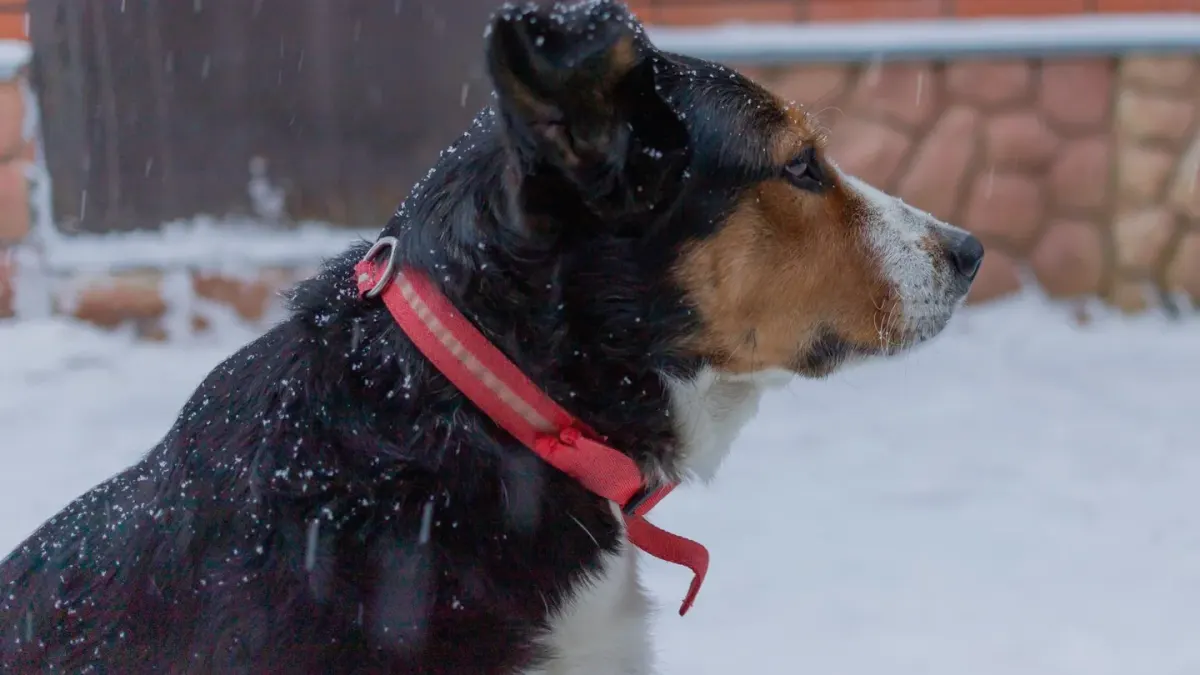
Last October on a dusty fire road outside Flagstaff, a handler unclipped the tailgate for her 4-year-old, 62-pound German Shorthaired Pointer and lifted a new saddlebag pack from the truck bed. She had a weekend search-training camp ahead, wanted the dog to carry water and a first-aid roll, and worried the straps looked low over the shoulders. We stood there adjusting chest straps while the dog spun, sat, shook, and we watched where the front edge landed. That ten-minute parking-lot check made the main decision concrete: fit for shoulder freedom first, storage second, because a pack that crowds the scapula will shorten stride long before weight becomes the problem.
Fit is load management. My position from day-to-day practice is simple: choose a Y-front harness-style pack that leaves the shoulder and last ribs clear, balance it side to side, and condition to it slowly. The strongest counterargument is that a snugger, more forward pack feels more stable to the handler. It does feel stable, but in my experience it trades handler convenience for restricted forelimb reach and heat buildup. I still land on clearance and balance over tightness, because tissue tolerance and recovery matter more than a pack that never shifts.
What a working fit supports in practice
A good fit supports normal gait, even breathing, and dry, intact skin under straps. I look for two fingers under every strap, a chest plate that sits on sternum rather than trachea, and panniers that ride over ribcage, not dangling behind the last rib. The American Kennel Club notes similar clearance and conditioning principles for hiking dogs, and that guidance lines up with what I see in active patients.
Fit is the point here, not features.
If you want the broader should-they-carry question first, read Should Your Dog Carry Its Own Backpack? before you buy, then come back to measurements.
How I measure and fit, step by step
Measure chest girth right behind the elbows, neck base where a collar sits, and back length from withers to just before the hips. Compare all three to the maker chart and fit to the chest first. Clip placement shapes movement too, which is why I often reference Front-Clip vs Back-Clip Dog Harness: What the Biomechanics Actually Say when handlers ask why the dog moves differently under load.
Set the empty pack on a standing dog. Center the bridge, fasten the chest strap, then belly straps from front to back. Check shoulder clearance at a walk and trot. Load panniers evenly with soft, dense items close to the body, then recheck. The Merck Veterinary Manual reminds owners to build exercise gradually and watch for fatigue, and packs deserve that same graded approach.
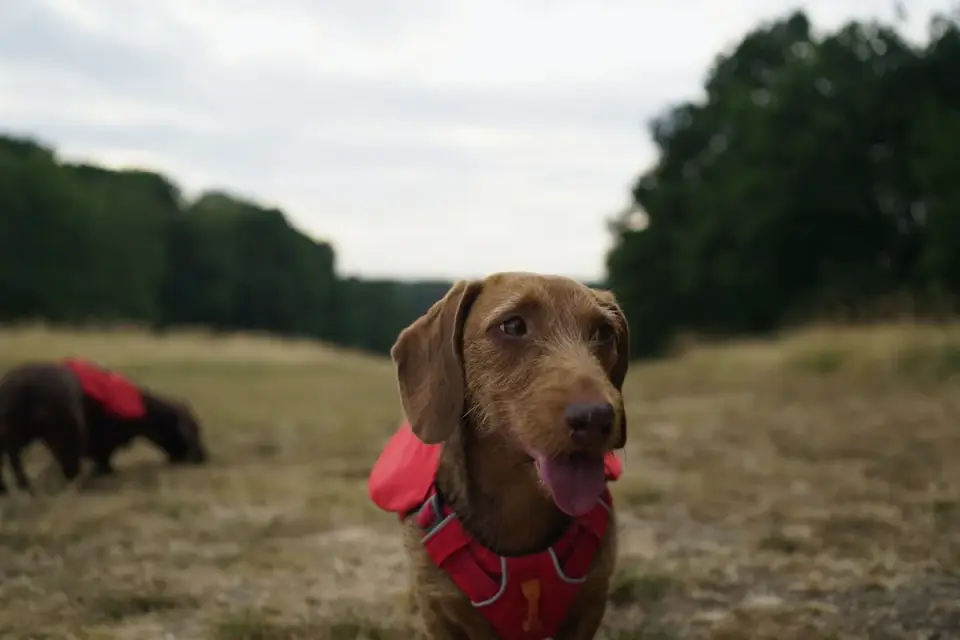
Three weeks in is where most handlers see the payoff. Start with empty-pack walks around the block, then add small, symmetric weight and short trail time, checking for rubs after every outing. I keep early sessions easy and look for steady panting, eager pull, and no lagging behind.
That handler in Flagstaff learned the tradeoff the hard way the next spring. She had tightened everything for a scree traverse with her now 5-year-old, 64-pound pointer, thinking less shift meant safer climbing. By mile six the dog shortened its front stride, shook repeatedly at rest stops, and developed a pink rub behind the left elbow where the loaded pannier had crept forward. We stripped the pack, redistributed weight toward the top-center, loosened the shoulder by one hole, and finished the day with an unloaded dog. The pack had not failed, the priority had: stability had been purchased with shoulder restriction.
The edge case that changes the plan
Not every working body fits the standard diagram. Last July a volunteer brought a deep-chested, 7-year-old, 48-pound Border Collie mix for trail-maintenance work who panted hard by day 10 of pack conditioning despite perfect strap tension. The issue was heat and chest shape, not attitude. Narrow ribs let the bridge rock, the belly strap slid toward the soft abdomen, and heavy coat trapped warmth under dark panniers. For context on matching breed to workload, I sent the owner to Border Collie vs Australian Shepherd: Which Working Dog Fits Your Training Load? while we refit.
We switched to a smaller-volume pack, moved to dawn sessions, carried water for the human instead, and kept the dog’s load to a light, high-riding essentials kit. Watch heat closely in any fitted pack, since VCA Hospitals describes how quickly heavy panting and thick gear can progress toward heatstroke.
Prevention lives in those rechecks. I would rather see a slightly loose pack that breathes and stays over ribs than a locked-down pack that interferes with shoulders, ribs, or recovery. Measure twice, condition slowly, and let the dog’s stride tell you when the fit truly supports the work.
Sources
- Heat Stroke in Dogs — VCA Hospitals