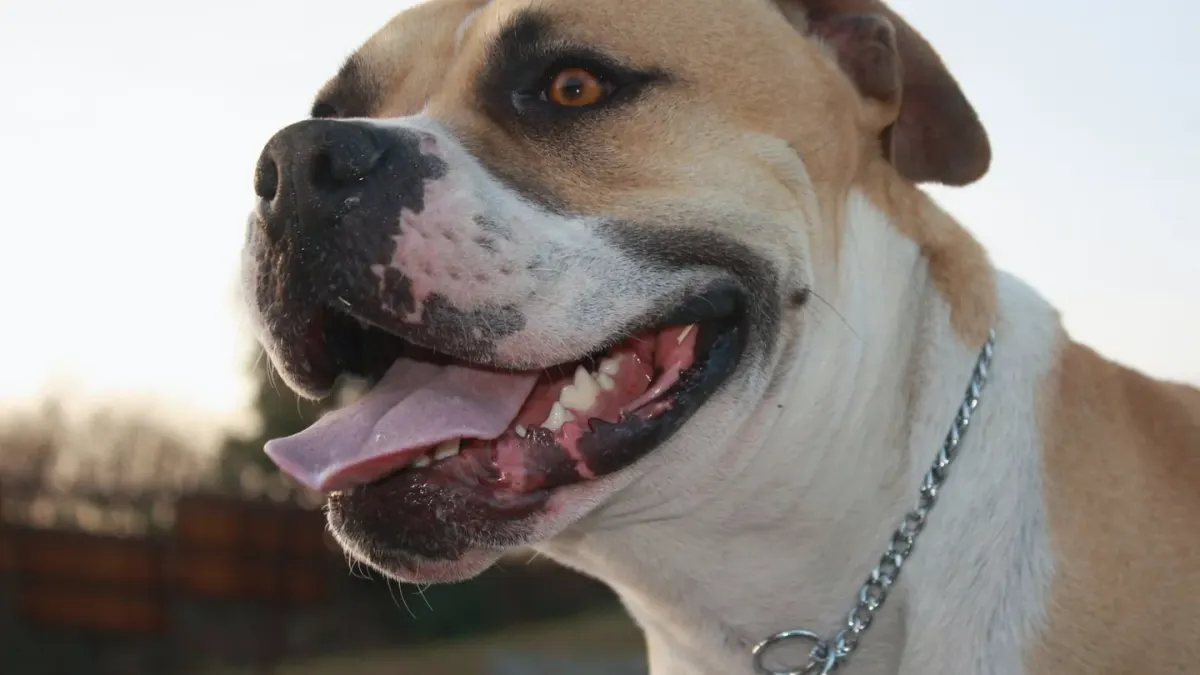
George hears it before he sees it in Arvada. Chopper, his 9-year-old neutered male mixed-breed, pauses at the bed edge, rocks back, then thumps down hard on the front legs. Three weeks of that nightly landing is enough to ask for a better plan.
Use a ramp first for most large dogs, steps second. Ramps keep the shoulder, elbow, and spine in one plane. Steps still help, but each tread is a small jump.
That is load management. A 70- to 90-pound dog absorbs multiples of body weight through the forelimbs on a jump down. Do it twice a day for years and tissue tolerance loses.
Watch the get-on and get-off for one week
Count repetitions. Note height, surface, and hesitation. Measure bed height from floor to top of mattress. Measure your dog’s shoulder height. Write both down.
Choose a ramp when the dog is heavy, stiff in the morning, recovering, or slips on treads. Choose wide, shallow steps only when space is tight and the dog still climbs confidently. Teach the chosen tool before you need it.
Ask your veterinarian about pain, neurologic signs, or sudden reluctance to jump. Guidance on canine arthritis from VCA Hospitals lists stiffness, lagging behind, and trouble rising as common owner-observed signs. Pain control and rehab planning belong with that exam, as outlined in the American Animal Hospital Association pain-management guidelines.
Fit the incline, width, and footing
Buy for your dog’s size, not for looks. Set the ramp so the walking angle stays low and steady against your exact mattress height. Pick a width that lets a large dog keep all four feet centered without hugging an edge.
Check weight limit, grip, and wobble. Demand non-slip tread, rubber feet, and side rails or a raised edge. Test it yourself with firm hand pressure. If it shifts, creaks, or tips, return it.
Place the ramp or steps where the dog naturally approaches. Anchor the base on rug, not slick wood. Keep the landing zone clear. For dogs that also ride high crate lips or truck beds, keep the same low-angle habit described in How to Size a Crate for Your Dog.

Train it like physical therapy
Lure one crossing at a time. Reward four calm feet. Keep sessions to five treats, then rest.
Start flat on the floor. Raise to a couch cushion. Move to the bed. Block the old jump-off side with a laundry basket for two weeks so the new route becomes default.
Do not carry a large dog down unless your veterinarian tells you to. Lift-and-twist hurts human backs and startles dogs.
This is where supplements fit. Steps lower peak load; nutrition and conditioning support recovery between loads. Read labels by dose in Best Joint Supplement for Dogs (2026): Loadline’s Sports-Medicine Picks, Ranked by Dose and Testing and Dog Hip and Joint Supplements: What the Research Actually Supports.
When steps are the wrong call
Skip home gear and call your veterinarian promptly for crying out, buckling, dragging toes, loss of bladder control, or refusal to bear weight.
Reconsider steps if the dog bunny-hops, sways, or must turn sharply at the top. A long ramp, a lower bed, or a floor-level orthopedic bed often works better.
Vets often see the same pattern in day-to-day practice. The owner buys narrow pet stairs, the dog jumps over them, and the landings keep happening. Widen the path, lower the angle, and reward every use.
Keep the tool clean, tight, and in place.
Frequently asked questions
Are steps or a ramp better for a large dog using a bed?
A low-angle ramp is usually better because it removes repeated small jumps and keeps load even. Use wide, shallow steps only when space prevents a ramp and the dog climbs without slipping or hesitation.
How do I get my large dog to actually use bed steps?
Train in stages with treats, start with the aid flat on the floor, then raise it gradually, and block the old jump-off path for one to two weeks until the new route is habit.
Sources
- Arthritis in Dogs — VCA Hospitals
- 2022 AAHA Pain Management Guidelines for Dogs and Cats — American Animal Hospital Association