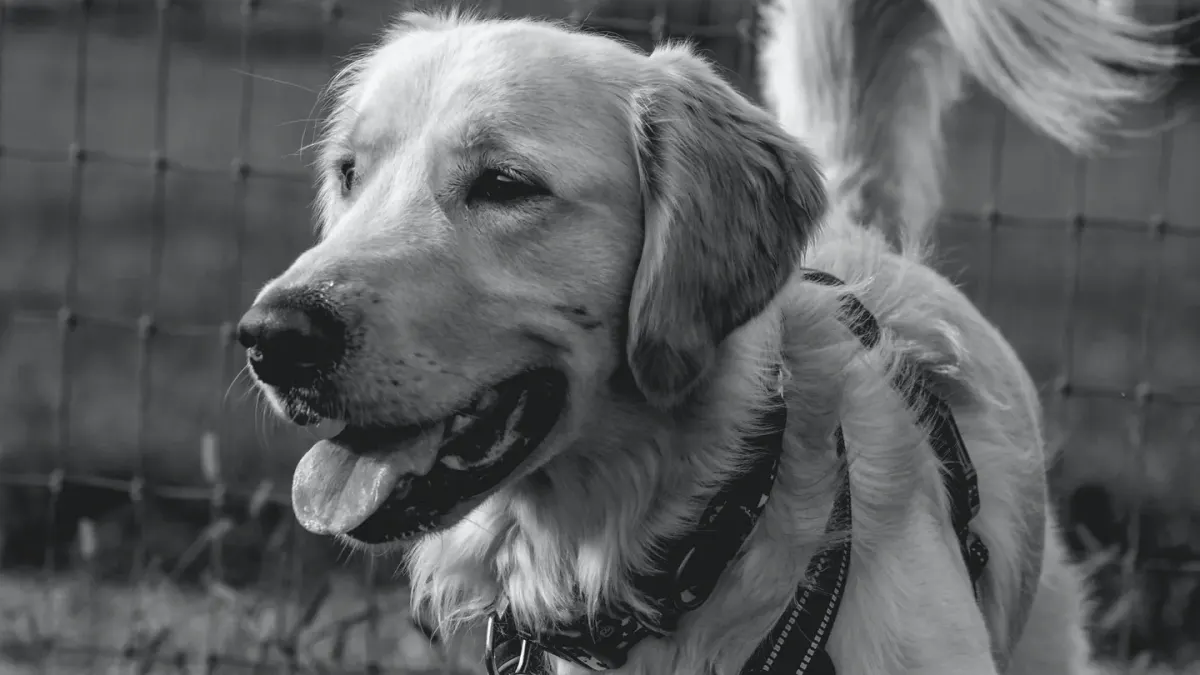
Marcia first noticed it at breakfast. Her 8-year-old herding dog still spun for the bowl like a young trial prospect, then napped hard for three hours while the food did its quiet work around the middle. Vets often see that mismatch in older Border Collies: enthusiasm holds steady while daily energy burn falls by 20% or more, and the ribs disappear under a smooth layer that was never there at age four.
The verdict is unglamorous and preventive. Feed the senior athlete in front of you, not the young dog you remember. That means a smaller portion of a complete adult or senior diet, scored on body condition every two to four weeks, with lean protein held steady to protect muscle and recovery.
The drive stays, the budget shrinks
Border Collies were selected to cover distance with repeated sprints, turns, and gathers. That history shapes load tolerance even in retirement. An older dog still wants the job, but cartilage, tendon, and muscle recover more slowly and carry less tolerance for extra weight.
Every extra pound is load on every step, jump, and lie-down-to-stand. Keeping a senior at a lean body condition score of 4-5 out of 9 may help support joint comfort and mobility over time, which matters more than any single ingredient swap.
Portion size is the lever. Start by feeding for the weight your dog should be, not the weight on the scale today, and adjust in small increments. The feeding guides in the National Academies Press nutrient profiles remain the baseline for what complete means, while calories need to come down for most seniors.
What a steady senior plate looks like
Look for a diet labeled complete and balanced for adult maintenance or senior dogs, with animal protein first and a named fat source. Protein supports the lean tissue that keeps an older athlete moving, and fat carries flavor plus essential fatty acids.
For most healthy older Border Collies, this structure works well:
A measured daily ration split into two meals, weighed rather than scooped. A protein level formulated for maintenance, not a high-performance growth formula. Moderate fat to control energy density without stripping palatability. Fiber in the mid-range to support stool quality and satiety when portions shrink. Water always available, since older dogs can be less sensitive to thirst.
The Merck Veterinary Manual outlines how energy, protein, and mineral needs shift with life stage, and it is a useful check when a label makes broad senior claims without numbers.
Smaller is kinder.
That single-sentence paragraph is the whole program for many seniors. If ribs are hard to feel after two weeks, reduce by 5-10% and recheck. If the spine and hips feel sharp, add back a little and call your veterinarian.

Joints love leanness first, extras second
Load management frames the joint conversation better than any powder or chew. Training volume, surface, rest days, and body weight set tissue stress. Nutrition sets the recovery window around that work.
Glucosamine, chondroitin, omega-3s, and similar additions may help support normal joint structure and function, but the evidence is thinner and more variable than the evidence for weight control. Keep expectations preventive: steady nutrition over months, realistic timelines, no quick fix before a weekend outing.
Owners comparing herding breeds often find the training-load contrast in Border Collie vs Australian Shepherd: Which Working Dog Fits Your Training Load? helpful for understanding why two driven dogs age differently. The same principle applies within one dog over time. The Border Collie brain still writes checks the senior body should cash in smaller amounts.
Dental comfort, drinking, and stool tell you early whether a formula suits the gut. If you are weighing a quieter household fit as activity falls, Best Low-Maintenance Dog Breeds for Busy People explains how exercise reality changes with age, and Best Dog Breeds for Apartment Living: What Actually Predicts Success is a practical read on energy budgets in smaller spaces.
When enthusiasm hides a problem
A driven older Border Collie will work through early stiffness, thirst changes, dental pain, or gut upset. Watch the recovery window rather than the work itself. Longer to rise after a nap, slower on stairs the morning after play, drinking markedly more or less, or soft stool for more than a couple days deserve a veterinary visit before you change foods again.
Long-term feeding studies support the lean approach. Dogs kept lean from adulthood lived longer and showed delayed onset of chronic conditions in the landmark restricted-feeding work summarized in the Journal of the American Veterinary Medical Association, which is why portion discipline matters more at nine than it did at three.
Bring a three-week log to that appointment: exact food and grams per day, treats and chews, walks and play minutes, weight and body condition, plus water intake and stool notes. That baseline lets your veterinarian separate a true diet intolerance from age-related load intolerance.
Feed the wise old athlete smaller, keep protein and routine steady, and let leanness do the heavy lifting for joints and recovery.
Frequently asked questions
How much should I feed my senior Border Collie?
Feed for ideal weight in grams per day, split into two meals, then adjust by 5-10% every two to four weeks to hold a lean body condition score of 4-5 out of 9.
Should I switch to a senior-labeled food?
A complete adult or senior formula can work if portions are controlled and protein supports lean muscle; use the label and your vet's exam, not age alone, to decide.
Do joint supplements replace weight control?
No. Leanness reduces daily joint load with stronger evidence; supplements may help support normal structure but do not offset extra weight.
Sources
- Nutrient Requirements of Dogs and Cats — National Academies Press
- Nutritional Requirements and Related Diseases of Small Animals — Merck Veterinary Manual
- Effects of diet restriction on life span and age-related changes in dogs — Journal of the American Veterinary Medical Association