On this page
The best long line leash for dogs gives you thirty feet of freedom without thirty feet of chaos, and you feel the difference in your shoulder by mile two. I watch for how the line loads the dog’s body and yours, not just how far it lets them roam. A good setup supports steady movement, may help maintain recall practice, and keeps tissue tolerance in the green on uneven ground.
Saturday on a sandy fire road, a four-year-old, 52-pound mixed-breed in a back-clip harness trotted in big loops while her owner practiced check-ins on a 30-foot biothane line. By week three of using the same length and same harness, the pulling at the end of the line had softened, the owner could gather line in loose coils instead of winding it around her palm, and the dog started orienting back with a single cue. The owner had worried a longer line would ruin recall, but consistent timing and a line that did not snag on sagebrush made practice possible. That is the decision in real life: enough distance to sniff and scamper, with hardware and handling that keep both ends comfortable.
The verdict from practice
I land on a flat, grippy 20- to 30-foot line attached to a well-fitted harness for most adventure walks. That length supports exploration and training without the constant stop-start load of a six-foot leash or the tangling burden of a 50-footer.
The strongest counterargument is that shorter is safer and teaches better manners. It can, especially on crowded trails. I still favor the long line for open stretches because dogs can choose a natural trot, sniff without hitting the end hard, and practice coming back from distance. Be honest where the preventive evidence is thin: we do not have controlled trials proving one leash material prevents injury, but the mechanics of sudden hits, friction burns, and falls are straightforward in day-to-day practice.
Why length changes load more than people expect
A long line changes peak force. On a short leash, every surge ends in a quick stop through neck, shoulders, and your rotator cuff. On a long line with slack, the dog can arc, decelerate, and turn without that jolt. That matters for tissue tolerance across a two-hour hike with climbs, creek crossings, and sprint-and-sniff intervals.
For most teams, 15 feet works for wooded trails with poor sightlines, 30 feet fits beaches and open meadows, and anything longer belongs to field training, not mixed-use paths. Dragging extra line adds weight, snags, and tripping risk. If you want help choosing clip position to spread that load, see Front-Clip vs Back-Clip Dog Harness: What the Biomechanics Actually Say.
I learned this the hard way with a two-year-old, 68-pound adolescent Lab who hit the end of a thin round cord at full sprint after a squirrel. Three weeks in with that setup, the owner reported rope burn across her palm, a sore shoulder from being spun, and a dog who had started bracing and pulling harder as he anticipated the snap. We switched to a wider flat line, moved the attachment from collar to harness, shortened from 50 to 30 feet for that trail, and rehearsed line management in a field first. By day 10 the owner could let slack slide through a gloved hand and step on the line instead of grabbing, and the dog stopped hitting the end at speed. The failed approach taught me that material and handling cause more problems than length alone.
What to prioritize in material and hardware
Forget miracle fabrics. Look for what you can clean, grip, and release under load. In my exam room, the lines that hold up share three traits: flat or coated webbing that does not cut hands, a light swivel snap that does not drag, and no extra loops or knots near the dog.
Biothane and coated webbing shed mud and burrs, stay grippy when wet, and do not soak up creek water. Nylon webbing is softer and cheaper but holds water and can fray. Round rope slides fast and burns. Retractable housings are a different category entirely and do not teach the same handling skills. The American Kennel Club notes similar tradeoffs around grip and tangling when working on distance cues, which matches what I see on trail.
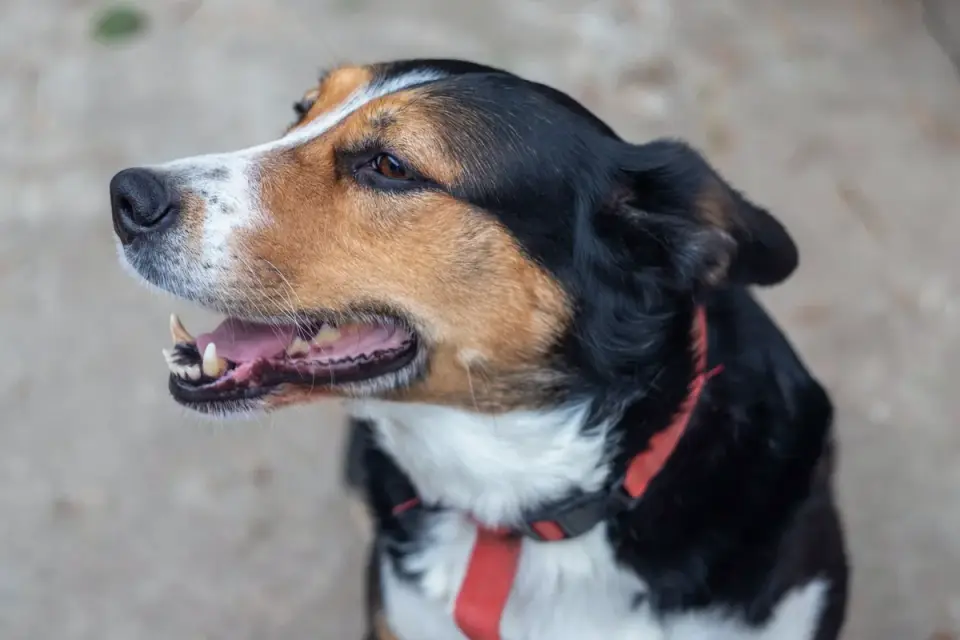
A harness attachment supports more even load distribution than a collar when a dog surges, and that choice matters more than brand. I prefer a Y-front harness with a snug, non-sliding fit, clipped at the back for a free-moving adventure line and at the front only for short training segments.
Reward-based handling matters here too. The AVSAB position on humane training supports reinforcing the behaviors you want rather than correcting with leash pops, and a long line is built for exactly that kind of practice.
The edge case that changes the plan
Last fall, an eight-year-old, 44-pound cattle-dog mix with early stiffness did worse on a 30-foot line, not better. On open ground she would trot out, then turn hard and sprint back, loading sore hind limbs with sharp pivots. Her owner worried she was losing fitness because she lagged after mile three, especially on descents. We kept the adventure walk but changed the application: a 15-foot line, wider loops instead of recalls from full distance, and planned sniff breaks that allowed standing rest without lying in mud. If your dog carries its own water and snacks, check load first in Should Your Dog Carry Its Own Backpack?. Older athletes can love freedom, but recovery windows get longer and tight turns cost more.
That is the load-management lens. Same tool, different dose.
How to handle a long line without getting hurt
Never coil it tight around your hand or wrist. Hold big, loose loops in one hand, slide with the other, wear light gloves on brushy trails, and step on the line with your foot to stop a chase rather than clamping down. Practice in a field before you try a narrow ridgeline.
Keep nails, paws, and pack fit in mind on longer outings, and size rest gear correctly with How to Size a Crate for Your Dog for post-hike recovery naps. The goal is a dog who moves freely, checks back willingly, and still wants to go tomorrow.
Frequently asked questions
Is a long line better than a retractable leash for hiking?
For training and load control, yes in most cases. A flat long line supports two-handed handling, stepping on the line to stop, and harness attachment without a bulky housing or constant tension.
What length should I start with?
Start with 20 to 30 feet in an open field. Move shorter for narrow or crowded trails and longer only when you have space and solid line-management skills.
Sources
- Position Statements — AVSAB