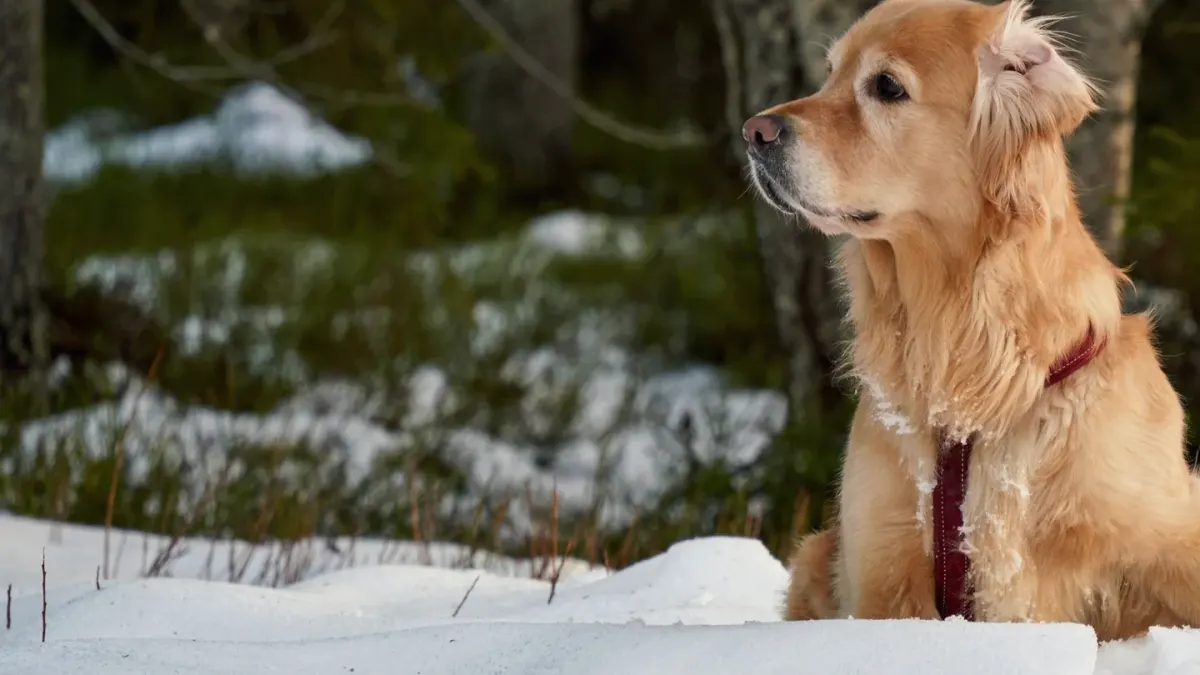
| Product | Vet rating | Key details | Best for | Pros & cons |
|---|---|---|---|---|
| German Shepherd | 9/10 | Large herding guardian; high trainability; needs socialization and joint screening | active, trainable home guardian |
|
| Doberman Pinscher | 9/10 | Medium-large guardian; fast, sensitive, handler-focused | athletic close-working deterrent |
|
| Rottweiler | 8½/10 | Large molosser; quiet confidence; strength needs management | calm, confident presence |
|
| Bullmastiff | 8/10 | Very large mastiff; quiet indoors; heat and joint load sensitive | low-motion household deterrent |
|
| Boxer | 7½/10 | Medium-large working breed; playful, vocal alerter | friendly alert dog |
|
Alice in Rialto, California, watches her 4-year-old spayed Miniature Australian Shepherd mix, Yumi, hold a hard bark at the front window for 90 seconds and then settle on a mat when cued. Vets often see that moment confuse owners. The bark looks like guarding, but true guarding is what happens after the arousal spike: the dog recovers, checks in, and makes a discerning choice.
That distinction is the filter for this list. The best guard dog breeds are not the loudest or most intimidating dogs on the block. They combine stable temperament, trainability, and a body that can carry patrol, stairs, and weekend training volume without breaking down.
The verdict first: discernment wins
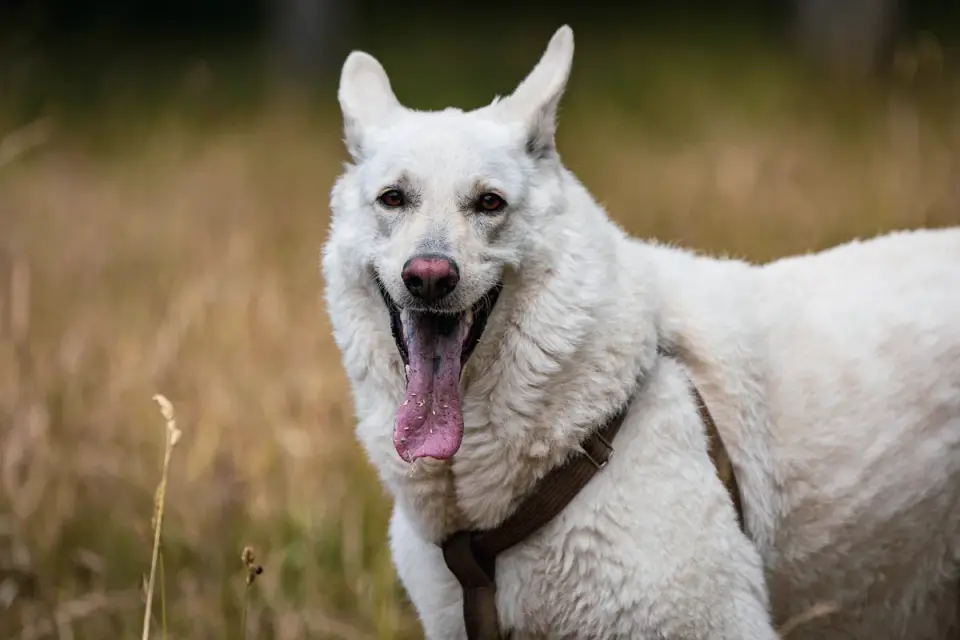
For most homes, the German Shepherd sets the standard because it pairs territorial awareness with biddability and off-switch potential when socialized and conditioned well. High-drive protection breeds can work for experienced handlers, but they raise the training load and the cost of mistakes.
Calm is a performance trait.
It predicts lower reactivity on walks, cleaner recovery between repetitions in training, and safer behavior when guests, kids, and delivery drivers move through the home. Owners who want quiet confidence should weight that trait above size or bark depth. Families in apartments or shared walls should also read Best Dog Breeds for Apartment Living: What Actually Predicts Success before assuming a large guardian will settle in a small footprint.
What guarding asks of nerves and joints
Guard work is interval work. A dog rests, alerts, moves quickly to a window or fence line, holds muscle tension, then needs to downregulate. In Loadline terms, that taxes tissue tolerance and recovery windows as much as a long run does.
The American Kennel Club describes the German Shepherd as confident, courageous, and smart, with a steady temperament that supports trainability for service and sport. That profile matters because a dog that can learn a place cue, a recall off the fence, and a quiet settle may help support a safer household routine than a dog selected only for suspicion.
Large guardians also carry orthopedic risk. Hip and elbow dysplasia, cruciate injury, and developmental bone disease cluster in fast-growing, heavy breeds. The Orthopedic Foundation for Animals notes that hip dysplasia involves abnormal joint laxity and remodeling influenced by genetics, growth rate, and body condition, which is why screening parents and keeping puppies lean matters more than adding joint products later. Baseline radiographs, slow growth, and load management during the first 18 months may help support long-term mobility.
Behavior guidance points the same way. The American Veterinary Society of Animal Behavior emphasizes reward-based training and early socialization over punishment-based methods for preventing fear and aggression. For guardian breeds, that means structured exposure to visitors, handling, sounds, and novel surfaces from puppyhood, plus professional coaching before adolescence.
How to read temperament in a litter or rescue
Look for recovery, not just courage.
Watch a puppy startle, then measure how fast it re-engages with the environment. Ask a rescue how a dog behaves 10 minutes after a stranger visit. A dog that returns to baseline quickly is easier to live with and easier to train for alert-and-settle work. Owners weighing a high-energy herding cross against a true guardian may find Border Collie vs Australian Shepherd: Which Working Dog Fits Your Training Load? useful for calibrating daily training time.
Training volume that keeps guardians sound
Think in sets and rest.
Short obedience sessions, controlled place work, and leash skills build reliability without repetitive fence running or prolonged bite-sleeve work. Puppies and adolescents need protected recovery windows, limited stairs and slick floors, and consistent body-condition scoring. Adult dogs doing patrol-style yard checks or sport foundations need rest days, nail and pad care, and gradual conditioning rather than weekend spikes.
The breeds, compared on temperament and fit
German Shepherd
The reference guardian for active homes that can commit to daily training. Alert, loyal, and highly trainable, with stamina for scent work, hiking, and formal obedience. Needs structured socialization to prevent territorial reactivity and needs joint screening and lean growth because of hip and elbow risk.
Doberman Pinscher vs. Rottweiler: speed or steadiness
This is the classic trade. Dobermans tend to offer speed, sensitivity, and close handler focus in a leaner frame. Rottweilers tend to offer stillness, physical presence, and patience when well bred and well socialized. Both need confident, consistent handling and clear visitor protocols.
Dobermans may suit owners who want an athletic housedog that transitions quickly between rest and activity. Rottweilers may suit owners who want a quieter deterrent and can manage strength, drool, and a slower warm-up. Neither fits a busy household hoping for low upkeep; for that reality check, see Best Low-Maintenance Dog Breeds for Busy People.
Bullmastiff
Bred to deter quietly rather than chase, the Bullmastiff is powerful but often lower-energy indoors than shepherds. That calm presence appeals to owners who want presence without constant motion. The tradeoff is size-related load: shorter muzzle tolerance for heat, higher orthopedic load per step, and a shorter average lifespan that owners should expect from the start.
Boxer
The softer entry point. Playful, people-oriented, and vocal enough to alert, but less suspicious and less physically imposing than the others here. Boxers fit louder homes that want a deterrent bark plus family clown energy. They still need conditioning for jumping and turning, and owners should plan for heat sensitivity and cardiac screening through the veterinarian.
Expectation first: no breed arrives pre-trained. Each of these dogs needs early socialization, visitor management, and a maintenance plan through age two to three before judgment and steadiness fully mature. What would change this ranking for a first-time guardian home — would a smaller, steadier alert dog with lower load serve you better than a large deterrent breed?
Frequently asked questions
Are guard dog breeds safe with kids?
Any large guardian can knock over a child and may misread rough play, so success depends on stable temperament, early socialization, separation for high-arousal play, and adult supervision rather than breed reputation alone.
Do I need professional training for a guard breed?
Yes for most owners. A certified trainer or veterinary behaviorist can set visitor protocols, recall off boundaries, and alert-and-settle skills before territorial behavior peaks in adolescence.
Sources
- German Shepherd Dog — American Kennel Club
- Hip Dysplasia — Orthopedic Foundation for Animals
- Position Statements — American Veterinary Society of Animal Behavior