| Product | Vet rating | Best for | Pros & cons |
|---|---|---|---|
| Labrador Retriever | 9½/10 | busy homes with young kids |
|
| Golden Retriever | 9/10 | affectionate trainable family companion |
|
| Cavalier King Charles Spaniel | 8½/10 | gentle older kids in smaller homes |
|
| Standard Poodle | 8½/10 | active families wanting trainability |
|
| Beagle | 8/10 | sturdy companion for older kids |
|
Weeknight homework spreads across the kitchen table while a young retriever tries to settle on cool tile as crayons roll and a toddler squeals nearby.
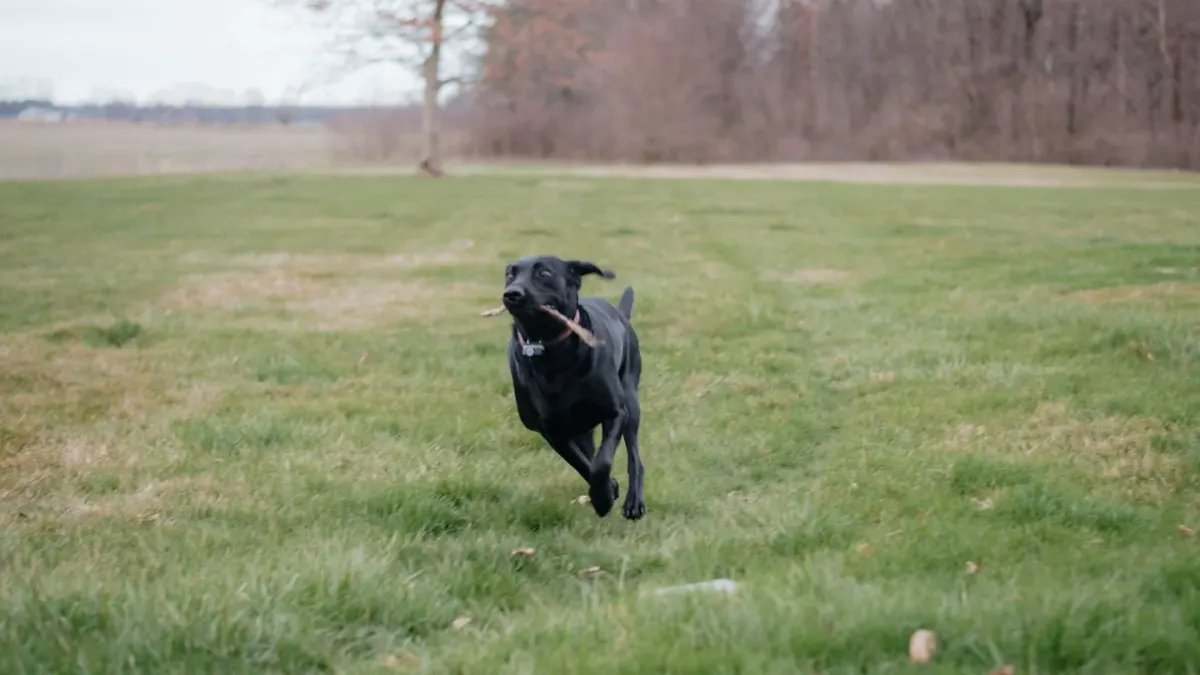
Expectation first: no breed is automatically safe with children, and your training time, exercise routine, and adult supervision predict success far better than popularity. The American Kennel Club groups many steady, people-oriented breeds on its family-dog list, and my pick for most homes with young kids comes from that group: the Labrador Retriever or Golden Retriever type.
The doubt I hear is fair — do big young sporting dogs not knock toddlers over? They can. That is a load problem, not just a breed problem. A well-exercised adolescent retriever with a daily fetch-and-settle routine and a protected nap window is a different athlete than the same dog with no outlet and no rest.
No breed is bite-proof.
Why supervision beats breed reputation
Kids create unpredictable load: hugs around necks, sudden running, dropped food, high-pitched noise. Dogs that cope well tend to have low reactivity, solid bite inhibition from early socialization, and a clear off-switch after excitement. The American Veterinary Medical Association advises never leaving young children alone with any dog, learning loose versus stiff body language, and giving every dog a quiet retreat.
The Merck Veterinary Manual describes the other half of the equation: dogs build social confidence through consistent, positive early exposure and predictable daily structure. That baseline — meals, walks, sleep, low-stress handling — may help support calmer behavior around kids over time.
Kelly in Fairfield learned this with Calla, a 2-year-old spayed female Golden Retriever who stayed mouthy and jumpy through dinner time. Once the family added two 15-minute training walks per day plus a gated nap spot during homework hour, jumping eased within three weeks. Same dog, better recovery plan.
Steady picks for loud, busy homes
I scored these breeds on kid-tolerant temperament, trainability, exercise demand, and tolerance for household noise. Large, sturdy breeds rank higher for toddler homes because they tolerate clumsy handling and recover quickly.

If you live in a smaller space, pair this list with Best Dog Breeds for Apartment Living: What Actually Predicts Success and Best Low-Maintenance Dog Breeds for Busy People before you rule a larger sporting breed in or out.
When a smaller, softer dog fits better
Choose lower energy and smaller size if you have limited training time, thin walls, or children under four who cannot yet follow dog-space rules. Softer breeds can be wonderful with older, gentle kids and closer handling, though they need protection from rough play.
For families weighing herding breeds, read Border Collie vs Australian Shepherd: Which Working Dog Fits Your Training Load? to check your honest daily exercise budget. You are the recovery manager here.
Sources
- Best Family Dogs — American Kennel Club
- Dog Bite Prevention — American Veterinary Medical Association
- Social Behavior of Dogs — Merck Veterinary Manual