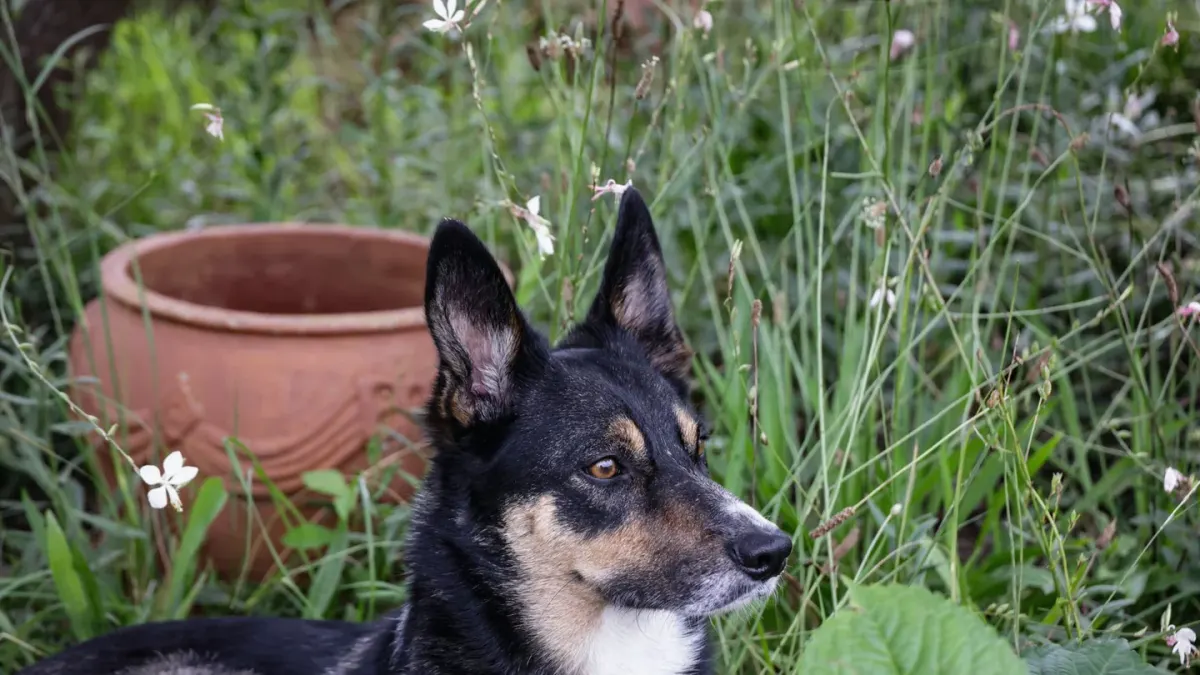
Terri lets Rocsi, her 6-year-old spayed female Border Terrier, sprint the fence line every morning in Houston before the heat builds, and twice that spring she spotted soft, spaghetti-like strands in a fresh pile less than 12 hours after the yard had looked clean.
That scene is why this question matters for active, outdoor dogs. Several common dog worms can infect people, so prompt stool cleanup and a veterinarian-guided deworming schedule should be treated as a family health issue, not just a dog-care chore.
The verdict for dogs that live, train, and travel outside
Outdoor access raises fecal-oral exposure for everyone in the household. Eggs shed in stool mature in soil, larvae wait in dirt or sand, and fleas can carry a tapeworm stage. A dog that runs, hunts, digs, or shares trails simply samples more ground.
In day-to-day practice, the plan that holds up is unglamorous: pick up stool within a day, wash hands after yard work and play, control fleas, and keep fecal checks and deworming on schedule with your veterinarian. Vets often see reinfection when cleanup slips for even a week during warm, wet weather.
Prevention supports normal gut function and helps maintain a settled routine between training sessions. It does not replace diagnosis when a dog is losing weight, passing visible worms, or producing bloody diarrhea.
How roundworms move from soil to people
Roundworms are the classic load-multiplier in puppies and recently adopted outdoor dogs. Adult worms live in the intestine and shed microscopic eggs that are not immediately infective. They must develop in the environment for days to weeks, which is why old stool and contaminated soil carry more risk than a fresh accident cleaned at once.
People become infected by swallowing mature eggs from soil, sandboxes, unwashed produce, or hands after handling dirt. Children face higher risk because hand-to-mouth contact is frequent. In people, larvae do not mature into intestinal adults; they migrate through tissue and can affect liver, lung, eye, or nervous tissue.
The CDC: About Toxocariasis page explains that Toxocara eggs need time in the environment to become infective and that accidental ingestion is the route. That detail points directly to daily pickup and handwashing.
Where hookworms and whipworms fit the picture
Hookworm larvae take another route. They can penetrate skin, usually through bare feet on moist soil, sand, or kennel runs. Outdoor dogs that train early on wet grass or travel to warm-climate trials meet those conditions often.
The CDC Zoonotic Hookworm: About Zoonotic Hookworm Infection resource describes cutaneous larva migrans, an itchy, creeping skin lesion from animal hookworm larvae. It is uncomfortable and preventable, not a reason to panic.
Whipworms are less often a human health story, but they signal the same soil problem. Their eggs are hardy and persist in damp ground. When whipworms keep showing up on fecals, treat the yard routine as overloaded and shorten the pickup interval rather than searching for a stronger product alone.
For dogs with repeated soft stool after field work, background reading on The Diet and Gut Health Connection in Dogs: How Food Shapes the Microbiome and How to Firm Up a Puppy’s Loose Stool Naturally helps separate feeding and recovery questions from parasite questions.
Tapeworms need a middleman
Most tapeworm spread to people requires an intermediate host. The dog tapeworm Dipylidium passes when a person, usually a child, accidentally swallows an infected flea during close contact and play. The risk tracks flea load, not just worm load.
The CDC Dipylidium: Dipylidium Infection page notes flea ingestion as the transmission step. That makes flea control part of worm control.
Echinococcus is a different tapeworm with more serious tissue cysts in people, linked mainly to livestock-associated or fox-associated cycles in specific regions. Most pet owners in the U.S. will not face it, but hunters and farm dogs with offal access need a direct conversation with their veterinarian. Do not extrapolate city-suburb risk from that cycle.
Clean food handling still matters around training treats and bowls. The same kitchen habits that limit cross-contamination support steadier fueling, which is why many handlers also review Dog Stomach Upset After Switching to Raw Food: What’s Happening and How to Help.
What actually lowers contagion without overmedicating
Start with load management for the yard.
Pick up stool daily, and bag it rather than hosing it into soil. Cover sandboxes when not in use. Wear gloves for yard cleanup, wash hands after handling soil, and have children play in clean, covered sand rather than near the dog’s toilet area. Rinse produce from gardens where dogs roam.
Then keep the veterinary layer steady. Bring a fresh fecal sample as directed, often once or twice yearly for adult outdoor dogs and more often for puppies, and follow the prescribed deworming interval. Bring the product name, dose date, and weight so the record stays accurate.
Daily pickup breaks the cycle.
Flea prevention, prompt disposal of rodents or rabbits a hunting dog retrieves, and preventing scavenging of raw offal close the tapeworm gaps. There is honest thin evidence here: no yard spray, fiber, or probiotic eliminates environmental eggs once soil is heavily seeded. Fiber may help maintain normal stool form, but it is not a dewormer.
When to call promptly
Call your veterinarian promptly for visible worms with vomiting, diarrhea, weight loss, a dull coat, a pot-bellied puppy, cough in a young puppy with heavy roundworm burden, or bloody stool. Call your physician for a creeping skin track after soil exposure, persistent abdominal pain, or any eye changes after known Toxocara exposure in the household. Bring the dog’s recent fecal result and deworming dates to both visits when you can.
Decide the next step today: set a 24-hour stool-pickup rule, confirm the next fecal check date, and keep one pair of yard gloves by the door.
Frequently asked questions
Can I get worms from kissing my dog or sharing a bed?
Mature eggs and larvae spread through stool, soil, and fleas, not saliva alone. The higher-risk habits are missed yard pickup, unwashed hands, bare feet on moist soil, and swallowing a flea during close play. Daily cleanup, handwashing, and flea control lower that risk.
How soon after a dog passes stool are roundworm eggs contagious?
Freshly passed roundworm eggs need days to weeks in the environment to become infective. That window is why pickup within about 24 hours, plus covering sandboxes and washing hands after soil contact, is the central prevention step. Your veterinarian can advise on rechecks for your yard and climate.
Do I need to deworm my whole family if my dog has worms?
Not automatically. Tell your physician about the dog's diagnosis, who had soil or flea exposure, and any symptoms such as skin tracks, abdominal pain, cough, or vision changes. Bring the dog's fecal result and last deworming date so both clinicians work from the same facts.
Sources
- About Toxocariasis — CDC
- About Zoonotic Hookworm Infection — CDC Zoonotic Hookworm
- Dipylidium Infection — CDC Dipylidium